Seattle’s retail landscape has transformed dramatically over the past decade, moving beyond traditional storefronts into temporary installations, immersive brand experiences, and experimental spaces that blur the line between shopping and entertainment. The city’s tech-savvy population, combined with high commercial rents and a culture that values innovation, has created fertile ground for pop-up retail concepts that would struggle in more traditional markets. From Capitol Hill’s converted warehouse spaces to downtown’s shuttered department stores finding new life as brand playgrounds, Seattle has become a testing ground for retail’s evolving future.
The Economics Driving Temporary Retail
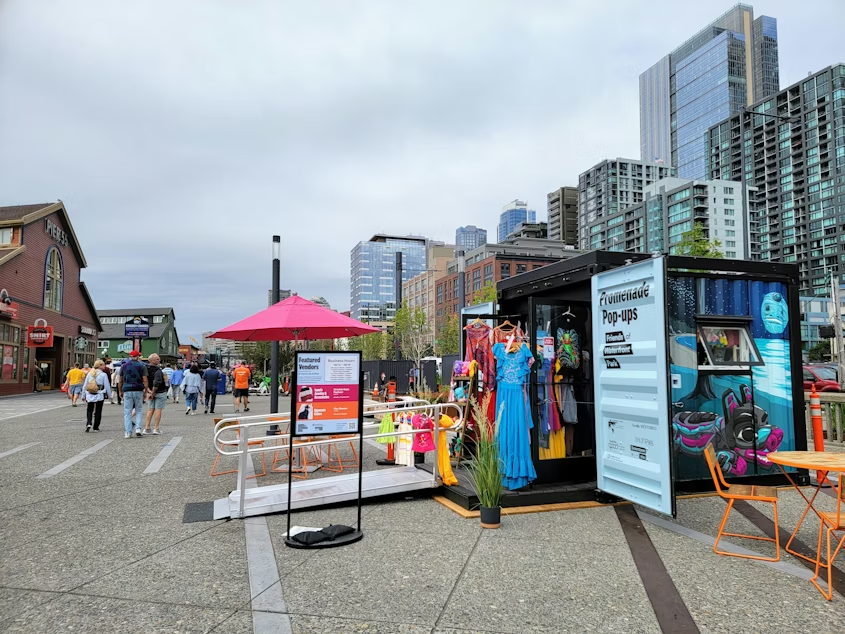
Seattle’s commercial real estate market ranks among the most expensive in the United States, with retail rents in prime neighborhoods often exceeding what many small businesses can sustain long-term. A traditional lease in Pike Place Market or along Pike-Pine Corridor might require multi-year commitments and buildout costs that push six figures before a single product sells. Pop-up shops sidestep these barriers, offering brands and entrepreneurs a way to establish physical presence without catastrophic financial risk.
The math works differently for temporary retail. Landlords with vacant spaces increasingly prefer short-term tenants over empty storefronts that signal neighborhood decline and attract vandalism. A pop-up shop generates some income, maintains the appearance of commercial vitality, and costs less to manage than an extended vacancy. Brands get access to premium locations they couldn’t afford permanently, testing markets and products without the overhead of traditional retail operations.
This economic arrangement suits Seattle’s entrepreneurial culture particularly well. The city produces countless small brands, artisans, and direct-to-consumer companies that lack capital for permanent retail but need physical spaces to connect with customers. A coffee roaster launching a new line might take over a space in Fremont for six weeks. A fashion designer with a strong Instagram following might rent a Capitol Hill storefront for the holiday season. These temporary installations generate buzz, build community connections, and provide valuable data about customer preferences without the crushing weight of permanent overhead.
Tech Companies Playing Retail Dress-up
Seattle’s dominance in technology has created an unusual dynamic where some of the city’s most elaborate pop-up experiences come from companies that don’t traditionally operate in retail at all. Amazon, despite being the world’s largest online retailer, has experimented extensively with temporary physical concepts throughout the city. Their early Amazon Books locations, while technically permanent, functioned as extended pop-ups testing whether data-driven retail could work in physical spaces. The company’s 4-star stores—showcasing highly-rated products from their online platform—appeared in University Village before expanding nationally, using Seattle as a proving ground.
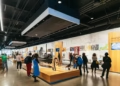
Microsoft’s pop-up experiences in Westlake Center and University Village have transformed how technology companies think about physical retail. Rather than simply selling devices, these spaces offer hands-on experiences with new software, gaming demonstrations, and workshops where customers learn creative applications for products they might never have considered purchasing. The distinction between retail and marketing dissolves entirely—these spaces exist to build brand affinity as much as to move merchandise.
Smaller tech companies have followed suit, creating pop-ups that function more as brand experiences than stores. Virtual reality companies set up temporary arcades where customers can test immersive technologies. Gaming companies launch pop-ups tied to major releases, creating physical spaces where fans can interact with characters, purchase limited merchandise, and participate in launch events. These installations treat retail space as advertising budget, measuring success in social media engagement and brand awareness rather than immediate sales.
The Food and Beverage Incubator Model
Seattle’s food scene has embraced pop-ups as permanent features rather than temporary anomalies. The distinction between pop-up restaurant and permanent establishment has blurred to the point where some of the city’s most anticipated dining experiences exist only intermittently. Ghost kitchens, supper clubs, and rotating residencies in established restaurants have created a food culture where temporariness signals exclusivity rather than instability.
Pike Place Market has formalized this model with designated spaces for rotating vendors. New producers test products, gauge customer response, and build followings before committing to permanent stalls or external locations. A jam maker might occupy a weekend spot for a summer season. A pasta producer might take over a space during holiday months when gift buying peaks. This incubator approach lowers barriers to entry while maintaining the market’s reputation for discovery and variety.
Neighborhoods like Ballard and Georgetown have developed ecosystems around rotating food concepts. Breweries host pop-up food vendors on regular schedules, creating symbiotic relationships where the brewery provides space and foot traffic while the food vendor enhances the drinking experience without requiring the brewery to operate a kitchen. Some of these pop-up vendors eventually open permanent locations, while others prefer the flexibility and lower overhead of perpetual rotation.
The pandemic accelerated these trends dramatically. When indoor dining shut down, established restaurants pivoted to outdoor pop-up models, taking over parking spaces and sidewalks. When restrictions lifted, many retained these temporary outdoor spaces, finding they generated as much revenue as indoor seating with lower labor costs and better alignment with Seattle’s outdoor culture during suitable weather.
Retail as Theater in Tourist Districts
Downtown Seattle’s tourist corridors have become stages for elaborate retail theater. Brands create immersive experiences designed to generate Instagram content, word-of-mouth marketing, and memories that extend far beyond the actual purchase transaction. These spaces recognize that Seattle attracts visitors who value experience over acquisition, who would rather tell stories about unique shopping adventures than simply buy products available anywhere.
The Seattle Selfie Museum, while not technically retail, exemplifies this trend—a space engineered entirely for social media content that happens to sell tickets and merchandise. Visiting brands have learned from this model, creating pop-ups with photo-worthy installations, interactive elements, and shareable moments that transform customers into marketing channels.
Luxury brands use Seattle pop-ups to test concepts before rolling them out nationally. A high-end fashion house might create a temporary installation in a converted Pike Place space, combining retail with art gallery aesthetics and invitation-only events that generate exclusivity and social media buzz. These pop-ups rarely aim for profitability through direct sales—they’re marketing exercises measuring brand perception and customer engagement in a market known for casual dress and tech-worker practicality.
Local brands compete with different tactics, creating pop-ups that emphasize Seattle’s identity and values. A outdoor gear company might install a temporary shop with used equipment, repair services, and sustainability messaging. A chocolate maker might create an immersive experience showing bean-to-bar production. These installations acknowledge that Seattle customers value authenticity, sustainability, and local connections over pure luxury or status signaling.
Neighborhood-Specific Pop-up Cultures
Capitol Hill’s pop-up scene reflects the neighborhood’s identity—experimental, youth-oriented, and culturally progressive. Vintage clothing pop-ups occupy former retail spaces for months at a time, curating collections that appeal to the neighborhood’s fashion-forward demographics. Local designers collaborate on shared pop-up spaces, splitting costs while creating variety that attracts repeat visits. LGBTQ+ brands and artists use Capitol Hill pop-ups to reach target audiences in a neighborhood known for inclusive culture.
The temporary nature of these installations suits Capitol Hill’s transient population. College students, young professionals, and artists cycle through the neighborhood, creating customer bases that turn over regularly. A pop-up that exhausts its novelty with permanent residents finds fresh audiences as new residents arrive. This constant churn makes Capitol Hill ideal for concepts testing market response before expanding to other neighborhoods or cities.
Fremont and Ballard attract different pop-up models, reflecting their industrial histories and maker cultures. Art studios open temporarily during neighborhood art walks, selling directly to customers who might never visit galleries. Woodworkers, metalworkers, and craftspeople create pop-up shops in converted warehouse spaces, offering custom work and demonstrating techniques that build appreciation for handmade goods. These neighborhoods’ lower rents and larger spaces accommodate pop-ups that require room for production, demonstration, or installation art.
University District pop-ups cater to student budgets and academic calendars. Textbook pop-ups appear before each quarter begins. Furniture and household goods pop-ups coincide with move-in periods when students need to furnish apartments. Study-break pop-ups during finals week sell coffee, snacks, and stress-relief products. The rhythm of academic life creates predictable cycles that temporary retail exploits efficiently.
The Festival and Event Circuit
Seattle’s robust festival culture has spawned a circuit of semi-permanent pop-ups that migrate between events throughout the year. Craft vendors who appear at the University District Farmers Market in summer set up at holiday markets in winter, operating what amount to touring pop-up businesses that follow crowds rather than maintaining fixed locations. This model works particularly well for products that align with festival themes—handmade goods, local food products, artisan crafts.
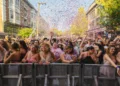
Capitol Hill Block Party, one of Seattle’s major music festivals, transformed its retail component over the years from standard vendor booths to curated pop-up experiences. Fashion brands, record labels, and local businesses create immersive installations that enhance the festival experience while building brand awareness among target demographics. The temporary nature allows brands to take creative risks they wouldn’t attempt in permanent retail, knowing the installation exists for just one weekend.
Holiday markets have professionalized significantly, with vendors investing in elaborate temporary structures, lighting, and displays that rival permanent retail aesthetics. The Peddler Market and similar events have become destinations themselves rather than just collections of vendors, carefully curating brands and creating cohesive experiences that justify admission fees or drive foot traffic to host venues.
Seafair, Seattle’s summer festival celebrating maritime culture, spawns pop-ups selling nautical-themed merchandise, local seafood products, and event memorabilia. These temporary installations capture tourist dollars during peak visitor seasons while building local brand recognition that extends beyond the event itself.
Direct-to-Consumer Brands Testing Physical Retail
The rise of digitally-native brands created a category of companies with strong online presence but no physical retail experience. Seattle has become a popular testing ground for these brands exploring brick-and-mortar retail without committing to permanent locations. The city’s educated, affluent population overlaps significantly with the demographics these brands target online, while Seattle’s size allows for meaningful market testing without the overwhelming scale and expense of New York or Los Angeles.
Mattress companies, furniture brands, and clothing lines that built businesses through Instagram and targeted advertising use Seattle pop-ups to let customers interact with products before purchasing. A mattress company might rent a space in South Lake Union for three months, allowing tech workers to test products during lunch breaks. An online furniture retailer might create a showroom in a converted Capitol Hill space, displaying products that customers can order for delivery rather than carry home immediately.
These pop-ups gather data impossible to collect online. How long do customers spend examining products? What questions do they ask? Which products generate interest but not immediate purchases? Do in-person experiences increase online sales in the surrounding zip codes? The temporary nature allows brands to test hypotheses cheaply, gathering insights that inform both physical retail strategy and online marketing.
Some digitally-native brands use Seattle pop-ups to build community around products rather than simply selling them. A sustainable clothing brand might create a pop-up with clothing swaps, repair workshops, and styling sessions alongside retail, building relationships with customers who value environmental responsibility. These spaces function as brand embassies, places where values get communicated through experience rather than just messaging.
The Challenges of Temporary Retail
Pop-up retail solves certain problems while creating others. The temporary nature that makes these spaces financially feasible also limits their ability to build sustained customer relationships. Regular customers learn not to grow attached to favorite shops that might disappear within weeks or months. This transience works against brand loyalty and repeat business, two factors that drive profitable retail.
Staffing pop-ups presents particular challenges in Seattle’s tight labor market. Employees need training despite short operational periods. Benefits, workplace culture, and advancement opportunities that matter to Seattle workers barely exist in temporary retail environments. The gig-economy nature of pop-up work appeals to some but struggles to attract quality employees in a city where tech jobs offer stability and generous compensation.
Inventory management gets complicated when retail spaces operate for weeks or months rather than years. Brands must estimate demand accurately enough to avoid either empty shelves or excessive leftover stock. The temporary nature prevents the gradual inventory optimization that permanent retail relies on, forcing brands to either over-order and accept waste or under-order and miss sales.
Permits and regulations create friction that permanent retailers spread across years but pop-ups must navigate in compressed timeframes. Seattle’s regulatory environment, while supportive of small business generally, wasn’t designed for retail that appears and disappears rapidly. Health permits, business licenses, and building inspections all take time that eats into short operational windows.
The Future of Temporary Retail in Seattle
Seattle’s pop-up culture shows no signs of contracting. If anything, the model has become so normalized that distinctions between temporary and permanent retail have begun to fade. Some “permanent” stores now operate with flexibility closer to pop-ups, testing concepts, rotating inventory dramatically, or transforming spaces entirely based on seasons or trends.
The rise of retail-as-a-service platforms has industrialized pop-up retail, making it easier for brands to find spaces, negotiate leases, and handle logistics. Companies now specialize in connecting brands with temporary spaces, managing buildouts, and even staffing installations. This infrastructure lowers barriers to entry while standardizing experiences in ways that might eventually reduce the novelty that makes pop-ups appealing.
Hybrid models seem likely to expand—spaces that function partly as retail, partly as showrooms, partly as event venues, and partly as content creation studios. Seattle’s creative culture and willingness to experiment make it ideal for these boundary-crossing concepts that resist easy categorization.
Sustainability concerns may reshape pop-up aesthetics and operations. Seattle’s environmentally conscious consumers increasingly question the waste generated by temporary retail—the buildouts, signage, and fixtures designed for weeks rather than years. Future pop-ups might need to demonstrate environmental responsibility through reusable fixtures, minimal buildouts, or focus on experiences rather than physical installations.
The relationship between online and offline retail will continue evolving, with pop-ups serving as bridges between digital presence and physical experience. Brands might use permanent pop-up circuits, rotating through different Seattle neighborhoods on predictable schedules that combine temporary excitement with sufficient consistency to build followings.
Seattle’s pop-up culture reflects broader changes in how people relate to retail, brand, and community. The city’s embrace of temporary retail demonstrates that permanence matters less than quality, that flexibility can be a feature rather than a bug, and that retail spaces can serve purposes beyond simple transactions. As commercial real estate, consumer preferences, and retail economics continue evolving, Seattle’s experimentation with temporary retail offers a glimpse of how shopping might work in cities willing to question retail’s fundamental assumptions.