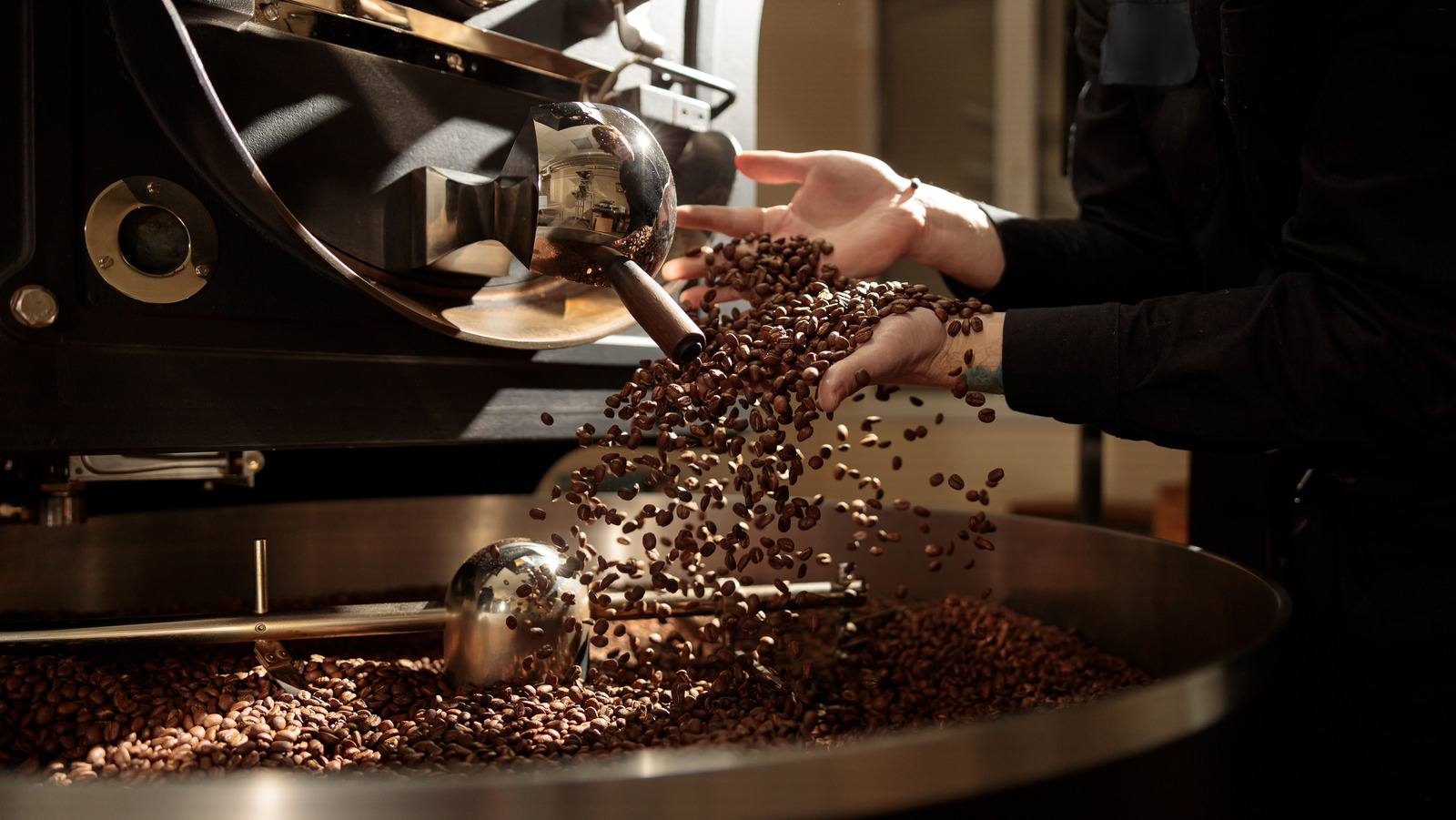
The rain falls steadily on Pike Place Market as steam rises from a fresh batch of Ethiopian Yirgacheffe beans tumbling inside a vintage Probat roaster. The aroma—floral, bright, almost tea-like—mingles with the salt air from Elliott Bay. This is Seattle, where coffee isn’t just a beverage. It’s a religion, an art form, and a multi-billion-dollar industry that transformed how America drinks its morning cup.
Seattle’s relationship with coffee runs deeper than most people realize. While Starbucks may dominate the cultural conversation, the city’s true coffee identity lies in its dozens of independent roasters, each one a temple to the craft of transforming green beans into liquid gold. These roasters represent something quintessentially Seattle: a blend of Northwest independence, obsessive attention to detail, and a willingness to reject the mainstream in pursuit of something better.
The Origins of Seattle’s Coffee Obsession
The Pacific Northwest’s coffee culture didn’t emerge from nowhere. Geography and circumstance conspired to create the perfect conditions for a coffee revolution. Seattle’s proximity to Pacific shipping routes meant direct access to green coffee beans from Central and South America, Africa, and Indonesia. The city’s perpetually gray skies created a population desperate for warmth and ritual. The counterculture movements of the 1960s and 70s brought an emphasis on craft, quality, and alternative lifestyles that extended naturally to what people drank.
But the real transformation began in the early 1970s when a group of coffee enthusiasts decided that the weak, pre-ground supermarket coffee dominating American households was an insult to the bean. They sought out high-quality arabica beans, studied European roasting techniques, and opened small cafes that treated coffee as seriously as wine connoisseurs treated Bordeaux.
This wasn’t about convenience or efficiency. Seattle’s early coffee pioneers were willing to sacrifice speed and simplicity for something more meaningful: a connection to the origin of the bean, an understanding of how heat and time could unlock different flavor profiles, and a daily ritual that brought people together in physical spaces rather than drive-through lanes.
The Science and Soul of Roasting
Walk into any serious Seattle roastery and you’ll encounter roasters who speak about Maillard reactions and first crack with the same passion that winemakers discuss terroir and tannins. Coffee roasting is chemistry, physics, and intuition rolled into one process that can take anywhere from eight to twenty minutes but represents years of accumulated knowledge.
The transformation of a green coffee bean into something drinkable involves carefully controlled heat that breaks down the bean’s cellular structure, caramelizes sugars, and develops the hundreds of aromatic compounds that give coffee its complexity. Too little heat or too short a roasting time leaves the beans grassy and sour. Too much heat or too long in the roaster creates bitter, charred flavors that obliterate the bean’s origin characteristics.
Seattle roasters obsess over these details. They source beans from single estates in Ethiopia, Colombia, Guatemala, and Kenya, traveling to origin countries to meet farmers and understand the growing conditions that influence flavor. They cup dozens of samples before making purchasing decisions, evaluating acidity, body, sweetness, and finish with the seriousness of Olympic judges.
The roasting itself involves constant monitoring and adjustment. The roaster must track the rate of temperature rise, listen for the distinctive cracking sounds that indicate chemical changes within the bean, and make split-second decisions about when to stop the roast to achieve the desired flavor profile. Some Seattle roasters still use vintage drum roasters from the 1950s and 60s, believing that slower, more traditional roasting methods produce superior results. Others have invested in state-of-the-art fluid bed roasters with computerized controls that allow for unprecedented precision.
The Neighborhood Roaster Renaissance
While corporate coffee chains expanded globally, something unexpected happened in Seattle’s neighborhoods. Small-batch roasters began opening in industrial spaces, converted garages, and repurposed warehouses. These weren’t slick retail operations designed for maximum throughput. They were workshops where the roaster often greeted customers personally, where burlap bags of green beans were stacked against exposed brick walls, where the smell of roasting coffee was so intense it seemed to emanate from the very walls.
The Capitol Hill neighborhood became home to roasters focusing on light, fruit-forward roasts that showcased the bean’s origin characteristics. Ballard attracted roasters interested in experimental processing methods and unusual varietals. Georgetown’s industrial buildings provided space for larger operations that could roast hundreds of pounds per day while maintaining the attention to detail that defined Seattle’s approach.
These neighborhood roasters created communities around coffee. Regular customers learned to distinguish between natural processed Ethiopian beans and washed Colombian beans. They understood why a Kenya AA might taste completely different from a Kenya AB, even though both came from the same country. They developed preferences for certain roast levels and brewing methods, engaging in friendly debates about whether pour-over or French press better highlighted a particular coffee’s characteristics.
Direct Trade and Ethical Sourcing
Seattle’s coffee roasters didn’t just pioneer quality; they helped revolutionize how coffee is sourced and purchased. Dissatisfied with the limitations of Fair Trade certification and commodity coffee markets, many Seattle roasters developed direct relationships with coffee farmers, traveling to origin countries to purchase beans directly and pay prices well above market rates.
This direct trade model served multiple purposes. It ensured better compensation for farmers, creating incentives for quality improvement and sustainable farming practices. It gave roasters access to the highest quality beans before they entered commodity markets where exceptional lots might be blended with inferior beans. And it created transparency throughout the supply chain, allowing roasters to tell customers exactly where their coffee came from and how it was produced.
A Seattle roaster might spend weeks in Colombia visiting different farms, cupping samples, and negotiating prices based on quality rather than commodity market fluctuations. They’d return with limited quantities of exceptional beans—perhaps only a few hundred pounds of a particular micro-lot that showed unique flavor characteristics. These coffees would be roasted carefully, sold quickly to ensure freshness, and treated as the precious commodities they were.
This approach required significant investment of time and money. Flying to Ethiopia or Guatemala multiple times per year, paying premium prices for green beans, and maintaining relationships with dozens of individual farmers wasn’t efficient or scalable. But Seattle roasters weren’t interested in efficiency. They were interested in excellence.
The Roast Profile Debate
Ask Seattle coffee professionals about roast levels and you’ll ignite debates that can last hours. The traditional American preference for dark roasts—where beans are roasted until oils emerge on the surface and the flavor becomes dominated by roasty, caramelized notes—has given way to a preference for lighter roasts that preserve more of the bean’s origin characteristics.
Light roasts, sometimes called Nordic or Scandinavian roasts, stop the roasting process earlier, before the bean’s origin flavors are overwhelmed by roast development. These coffees taste brighter, more acidic, more tea-like. They showcase fruity, floral, and complex flavor notes that would be destroyed by longer roasting times. A light roasted Ethiopian Yirgacheffe might taste like blueberries and jasmine. A light roasted Kenya might have flavors reminiscent of blackcurrant and grapefruit.
Critics of light roasts argue they can taste underdeveloped, sour, or grassy if not executed perfectly. Proponents counter that dark roasts represent a fundamental misunderstanding of coffee’s potential, sacrificing complexity for familiarity. The truth, as Seattle’s best roasters understand, lies somewhere in between. The ideal roast level depends on the bean’s origin, processing method, density, and moisture content. Some coffees shine when roasted light. Others need more development to reach their potential.
Seattle’s roasting community embraced this nuance, rejecting the one-size-fits-all approach that characterized earlier coffee cultures. Visit different Seattle roasters and you’ll find dramatically different roasting philosophies, each backed by careful reasoning and extensive experimentation. This diversity represents Seattle’s coffee culture at its best: opinionated but open-minded, driven by quality rather than conformity.
The Equipment and Technology
Inside Seattle’s roasteries, you’ll find everything from century-old German roasters lovingly maintained and rebuilt to cutting-edge machines with computerized profiling and data logging capabilities. The equipment debate mirrors the roast profile debate, with some roasters swearing by vintage drum roasters and others embracing modern technology.
Drum roasters, the traditional workhorses of the coffee industry, tumble beans in a rotating drum heated by gas burners. The roaster controls temperature, airflow, and drum speed, making constant adjustments based on visual cues, sound, and smell. This hands-on approach requires skill and experience but allows for a level of control and artistry that some roasters consider irreplaceable.
Fluid bed roasters, which suspend beans on a column of hot air rather than tumbling them in a drum, offer different advantages. They provide more even heat distribution, faster roasting times, and cleaner flavor profiles. Some Seattle roasters use fluid bed roasters for delicate beans that might be damaged by the mechanical action of drum roasting.
The newest technology includes roasters with detailed data logging and profile replication capabilities. These machines record every aspect of each roast—temperature curves, airflow rates, drum speed changes—allowing roasters to replicate successful roasts with unprecedented precision. Skeptics worry this technology removes the craft and intuition from roasting. Advocates argue it simply provides better tools for achieving consistency and excellence.
The Cafe Culture Connection
Seattle’s roasters don’t just sell bags of beans to take home. Many operate cafes where customers can taste coffees brewed with meticulous attention to detail. These spaces function as classrooms where curious customers can learn about different brewing methods, origin countries, and processing techniques.
The cafe attached to a Seattle roastery often features multiple brewing methods—pour-over, siphon, Aeropress, espresso, cold brew—each highlighting different aspects of the same coffee. A barista might explain why they chose a particular brewing method for a specific coffee, discussing how water temperature, grind size, and contact time affect the final cup.
These cafes reject the grab-and-go mentality that dominates corporate coffee culture. Drinks are prepared individually, often taking several minutes from order to delivery. Customers are encouraged to sit, to savor, to engage with their coffee rather than treating it as fuel to be consumed while multitasking. This slower approach aligns with Seattle’s broader values around craft, quality, and intentional living.
Seasonal Coffees and Limited Releases
Seattle roasters treat coffee seasonally, much like restaurants treat ingredients. When the first Ethiopian natural processed coffees arrive in late summer, roasters announce their arrival with the excitement usually reserved for Beaujolais Nouveau. These seasonal offerings create anticipation and variety, preventing the monotony that comes from drinking the same coffee year-round.
Limited releases take this concept further. A roaster might acquire fifty pounds of an exceptional micro-lot from a Panamanian farm, roast it carefully, and sell out within days. These special offerings command premium prices—sometimes $25 or more for a twelve-ounce bag—but customers willingly pay for the opportunity to taste something truly unique.
This approach requires sophisticated supply chain management and customer education. Roasters must time their purchases to ensure continuous availability while also creating room for seasonal variations. Customers must accept that their favorite coffee might not always be available, learning to embrace variety rather than demanding consistency.
Environmental Sustainability and Innovation
Seattle’s environmental consciousness extends naturally to its coffee industry. Local roasters have pioneered sustainability initiatives ranging from carbon-neutral shipping to innovative green bean storage methods that reduce waste. Some roasters compost spent coffee grounds and partner with local farms to create closed-loop systems. Others invest in renewable energy for their facilities or purchase carbon offsets to mitigate the environmental impact of shipping beans from origin countries.
The sustainability conversation extends to packaging as well. Traditional coffee bags, lined with plastic or foil to maintain freshness, create environmental challenges. Seattle roasters experiment with compostable bags, reusable containers, and bulk sales to reduce packaging waste. Some offer discounts to customers who bring their own containers for refills.
Water usage, energy consumption, and waste management all receive scrutiny from environmentally conscious roasters. The coffee industry historically generated significant waste through defective beans, packaging materials, and the roasting process itself. Seattle roasters work to minimize this impact while maintaining the quality standards that define their brands.
The Next Generation
Today’s Seattle roasting scene includes both pioneers who’ve been roasting for forty years and newcomers bringing fresh perspectives. Younger roasters often come from coffee-producing countries, bringing firsthand knowledge of farming and processing that previous generations lacked. They challenge assumptions about how coffee should taste, what constitutes quality, and how roasters should operate.
Some new roasters focus exclusively on one origin country, developing deep expertise in Colombian or Ethiopian coffees. Others experiment with processing methods rarely seen in Seattle—anaerobic fermentation, carbonic maceration, extended drying times—creating flavor profiles that push boundaries and provoke discussion. Still others emphasize accessibility over exclusivity, working to make high-quality coffee available at lower price points through efficient operations and creative sourcing.
This generational mix creates a dynamic, evolving coffee culture where respect for tradition coexists with willingness to experiment. Veterans share knowledge with newcomers, who bring energy and fresh ideas. The result is a coffee community that continues to push boundaries while honoring the principles that made Seattle a coffee capital.
The Lasting Impact
Seattle’s influence on American coffee culture extends far beyond its city limits. The third wave coffee movement—emphasizing quality, direct trade, light roasts, and coffee as an artisanal product rather than a commodity—originated largely in Seattle before spreading to Portland, San Francisco, New York, and beyond. The idea that coffee could be seasonal, that origin mattered, that roasting was a craft requiring years to master—these concepts seem obvious now but represented radical thinking when Seattle roasters first championed them.
Walk into a specialty coffee shop anywhere in America and you’ll see Seattle’s influence. The emphasis on single-origin coffees, the careful attention to brewing methods, the willingness to educate customers about coffee’s complexity—all trace back to Seattle’s coffee pioneers who insisted that coffee deserved the same respect as wine or craft beer.
The city’s roasters continue to innovate, traveling to new origin countries, experimenting with processing methods, and refining roasting techniques. They compete in roasting competitions, share knowledge through workshops and consultations, and collaborate on projects that advance the industry as a whole.
Seattle’s rainy climate, its port access, its history of counterculture movements, and its concentration of passionate coffee professionals created a perfect storm that transformed American coffee culture. The beans roasted in Seattle represent more than a beverage. They represent a commitment to quality, a connection to global coffee farmers, and a daily ritual that brings meaning and pleasure to millions of people.
The next time you drink a carefully roasted, thoughtfully brewed cup of coffee, there’s a good chance its journey was influenced by Seattle’s roasting community—whether through direct trade relationships they pioneered, roasting techniques they developed, or simply the standards of excellence they established that raised expectations across the industry. That’s the real legacy of coffee roasted in Seattle: not just great coffee, but an entirely new understanding of what coffee can be.