In the misty streets of Seattle, where the aroma of fresh rain mingles with the sizzle of street carts, one culinary creation stands out as a testament to the city’s rebellious spirit and late-night cravings. The Seattle-style hot dog, often simply called the Seattle Dog, isn’t just a snack—it’s a cultural emblem, a bold fusion of creamy indulgence and savory punch that defies traditional hot dog norms. Born from the gritty energy of Pioneer Square in the late 1980s, this hot dog has evolved from a humble vendor’s experiment into an iconic delicacy savored by locals and tourists alike. With its signature smear of cream cheese melting against a grilled frank, topped with caramelized onions and a medley of zesty add-ons, the Seattle Dog captures the essence of the Pacific Northwest’s innovative food scene. It’s messy, it’s unexpected, and it’s utterly addictive, proving that sometimes the best ideas come from throwing convention out the window.
What sets the Seattle Dog apart isn’t merely its ingredients but the story it tells—of grunge-era nights, sports triumphs, and the unyielding creativity of street food entrepreneurs. As we delve into its history, recipes, and cultural footprint, you’ll see why this hot dog has earned its place alongside Seattle’s coffee culture and tech boom as a symbol of the city’s unique flavor.
Origins: A Street Food Born in the Rainy City’s Shadows
The tale of the Seattle Dog begins in the heart of Pioneer Square, Seattle’s historic district known for its brick-lined alleys, underground tours, and vibrant nightlife. It was here, in 1989, that Hadley Long, a transplant from Ohio with a background in vegetarian fare, unwittingly sparked a revolution in hot dog artistry. Long had set up a modest bagel cart outside the Central Saloon and J&M Cafe, peddling vegetarian bagels slathered with cream cheese and various toppings. But as the sun set and the bars filled with patrons, demands shifted. Revelers emerging from music venues and clubs craved something heartier, something with meat to soak up the night’s indulgences.
Long, ever the opportunist, sourced hot dogs and paired them with his signature cream cheese-smeared bialy-style buns from the Bagel Deli on Capitol Hill. The result? A “bagel dog” that combined the tangy creaminess of Philadelphia-style cheese with the smoky snap of a grilled frank. Raw, diced purple onions provided a crisp contrast in those early days, but as the concept caught on, vendors began grilling the onions for added depth. By the early 1990s, during Seattle’s grunge explosion—with bands like Nirvana and Pearl Jam drawing crowds—the Seattle Dog became a staple outside venues like The Showbox.
Yet, like many great inventions, the origins aren’t without controversy. Enter Ramazan Senturk, owner of Dog in the Park, who claims an independent epiphany around 2005. Starting his cart in Westlake Park, Senturk says he added cream cheese to hot dogs at customer request, evolving the recipe with caramelized vegetables like leeks and purple cabbage. While Long’s timeline predates this by nearly two decades, Senturk views it as friendly rivalry, emphasizing his version’s focus on fresh, varied toppings. This “tale of two hot dogs,” as chronicled in local media, underscores Seattle’s collaborative yet competitive food landscape. Long himself reflects on the 1995 Mariners’ playoff run against the Cleveland Indians as a pivotal moment when demand surged, cementing the dog’s status.
The 1990s grunge movement amplified its popularity, with musicians like Jerry Cantrell of Alice in Chains and members of Mother Love Bone reportedly frequenting Long’s cart. As Seattle’s music scene exploded globally, so did the dog’s reputation, spreading to food carts outside Safeco Field (now T-Mobile Park) during the Mariners’ record-breaking 2001 season. By 2009, it had reached Everett’s Comcast Arena, and in 2010, the Mariners officially added it to their stadium menu at the Hit it Here Café. Even chef Renee Erickson elevated it in 2019 with a gourmet twist at Deep Dive bar in the Amazon Spheres, blending whipped cream cheese with pickled jalapeños and salmon roe.
This evolution from a makeshift late-night fix to a stadium staple highlights how the Seattle Dog mirrors the city’s transformation—from a gritty port town to a tech hub—while retaining its street-smart roots. It’s a reminder that innovation often sprouts from necessity, in this case, the need for a quick, satisfying bite amid Seattle’s perpetual drizzle.
The Anatomy of a Seattle Dog: Breaking Down the Essentials
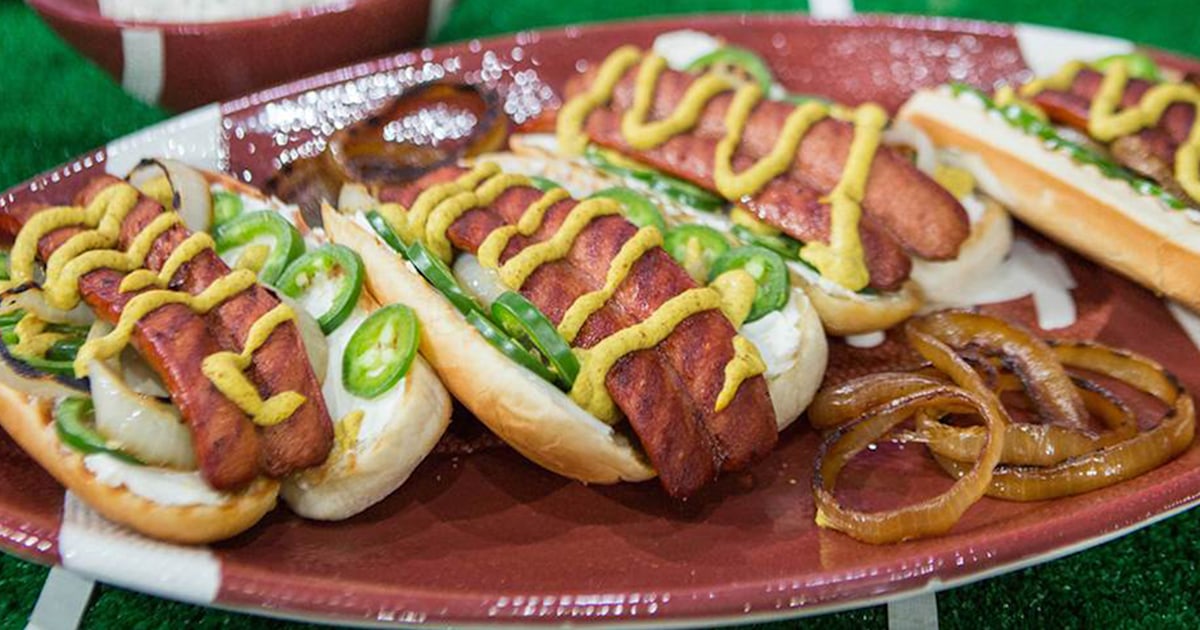
At its core, the Seattle Dog is a study in contrasts: the cool, velvety cream cheese against the hot, charred frank; the sweet caramelization of onions clashing with the sharp bite of jalapeños. The foundation is a quality hot dog—typically all-beef for that robust flavor—grilled to perfection, often butterflied to expose more surface area for charring. The bun, originally a bialy roll with its chewy texture and subtle onion flavor, has given way in many modern iterations to a standard hot dog bun or hoagie roll, always toasted for that essential crunch.
The star, of course, is the cream cheese. Softened and spread generously on both sides of the bun, it acts as a creamy binder, melting slightly from the heat of the dog and creating a luxurious mouthfeel that’s both comforting and surprising. Grilled onions are non-negotiable—sautéed in butter until golden and caramelized, they add a layer of sweetness that balances the saltiness. From there, the toppings diverge based on vendor and preference: sliced jalapeños for heat, sauerkraut for tang, scallions for freshness, or even grilled cabbage for a subtle crunch.
Condiments elevate the experience further. Yellow mustard or spicy brown mustard provides acidity, while Sriracha or barbecue sauce introduces a smoky spice. Ketchup? It’s rare, often frowned upon by purists who argue it oversweetens the profile. Some variations incorporate pickled red onions or even caviar in upscale versions, but the essence remains simple yet bold. Nutritionally, it’s no health food—a single serving packs around 239 calories, with 16 grams of fat—but in the context of late-night indulgence, who’s counting?
This combination isn’t just random; it’s a deliberate fusion that reflects Seattle’s diverse influences, from European sausage traditions to Asian-inspired heat via Sriracha. Compared to the Chicago Dog’s vegetable medley or the New York Dog’s simplicity, the Seattle version stands out for its creamy audacity, challenging eaters to embrace the unconventional.
Crafting the Perfect Seattle Dog at Home: A Step-by-Step Guide
Bringing the Seattle Dog into your kitchen is easier than you might think, and it allows for personalization that street carts can’t always offer. Start with high-quality ingredients: all-beef hot dogs from a reputable butcher, fresh cream cheese (Philadelphia works wonders), and sweet onions like Walla Walla for that authentic Northwest touch.
Here’s a detailed recipe adapted from tried-and-true methods, yielding four hot dogs:
Ingredients:
- 3 tablespoons salted butter
- 1 large sweet onion, halved and sliced thinly
- ¼ teaspoon fine sea salt
- 4 hot dog buns (prefer bialy-style if available, otherwise standard)
- 4 all-beef hot dogs, butterflied lengthwise
- About 4 ounces softened cream cheese
- Cold sauerkraut, drained, for topping
- Yellow mustard, for drizzling
- Fresh jalapeños, thinly sliced, for heat
Steps:
- Heat a large pan or cast-iron skillet over medium-high. Melt 2 tablespoons of butter, then add the sliced onions and salt. Stir occasionally for about 15 minutes until the onions caramelize to a deep golden brown with some charred spots. If they brown too quickly, lower the heat to medium. Once done, transfer to a plate and set aside—these are your crowning glory.
- In the same skillet, toast the insides of the buns until lightly browned, about 2 minutes. Remove them to a serving plate. This step is crucial; a toasted bun holds up better against the cream cheese and prevents sogginess.
- Add the remaining tablespoon of butter to the skillet. Place the butterflied hot dogs cut-side down and cook for 2-3 minutes per side until charred and heated through. The butterflying ensures even cooking and more flavor absorption.
- While the dogs cook, slather each bun generously with 1-2 tablespoons of cream cheese on both cut sides. The warmth from the toasted bun will soften it further.
- Assemble: Nestle a hot dog into each bun, cut-side up. Pile on the caramelized onions, followed by sauerkraut, a drizzle of mustard, and sliced jalapeños to taste. Serve immediately for the optimal contrast of hot and cold.
Tips for Mastery:
- For a gourmet twist, whip the cream cheese with a bit of garlic or herbs before spreading.
- If grilling outdoors, char the dogs over medium flame and caramelize onions in foil packets.
- Avoid overcooking the onions—they should be soft but not mushy.
- Pair with a cold IPA to cut through the richness, echoing Seattle’s craft beer scene.
This process takes about 30 minutes, making it ideal for backyard barbecues or game-day gatherings. Experiment with toppings like Sriracha for an Asian kick or barbecue sauce for smokiness, but always keep the cream cheese central—it’s the soul of the dog.
Where to Hunt Down the Best Seattle Dogs: A Vendor’s Guide
No trip to Seattle is complete without sampling the real deal from a street cart, where the magic happens under neon lights and amid the hum of the city. Pioneer Square remains ground zero, with vendors like the original spots near the Central Saloon dishing out classics post-bar hours. For a modern take, head to Dog in the Park’s locations—Westlake Park for lunchtime crowds, or the Space Needle outpost for tourists seeking an authentic bite with a view.
Sports fans swear by the carts outside T-Mobile Park during Mariners games, where the air thickens with onion-scented smoke as fans stream out after victories. The stadium itself offers an official version at the Hit it Here Café, but purists prefer the cart experience for its grit. In Capitol Hill, nightlife hubs like The Showbox surround carts that cater to concert-goers, often with lines snaking around the block after midnight.
Further afield, Everett’s Angel of the Winds Arena (formerly Comcast) features vendors since 2009, blending the dog with hockey energy. For an elevated experience, Deep Dive in the Amazon Spheres serves Erickson’s version: whipped cream cheese, pickled elements, and caviar, paired with cocktails. Prices hover around $5-8 for street versions, making it accessible, while gourmet spots charge $12+.
These locations aren’t just eateries; they’re social hubs where stories unfold—musicians jamming nearby, fans debating plays, locals sharing tips on the best toppings. In a city of fine dining, the Seattle Dog’s street presence keeps it grounded, democratic, and endlessly appealing.
Variations and Modern Twists: Reinventing the Classic
While the traditional Seattle Dog holds court, chefs and home cooks have pushed boundaries, creating variations that honor the original while infusing new flair. The “Gourmet Seattle” at Deep Dive swaps standard onions for pickled red ones and adds salmon roe, evoking the region’s seafood heritage. Vegetarian twists use plant-based dogs with vegan cream cheese, maintaining the creamy essence for non-meat eaters.
Ethnic fusions abound: A Korean-inspired version incorporates kimchi instead of sauerkraut and gochujang in place of Sriracha, adding fermented depth. Mexican influences bring queso fresco blended into the cream cheese and topped with pico de gallo. For health-conscious eaters, turkey dogs and low-fat cream cheese lighten the load, while gluten-free buns cater to dietary needs.
Home experiments might include bacon bits for smokiness or avocado for creaminess, though purists decry such additions as diluting the purity. Seasonal twists, like cranberry relish in fall, tie into Northwest produce. These evolutions keep the dog relevant, adapting to trends without losing its core identity—a creamy, onion-laced punch that’s distinctly Seattle.
Cultural Icon: More Than Just a Midnight Snack
The Seattle Dog transcends food; it’s woven into the fabric of Seattle’s identity. During the grunge heyday, it fueled late-night sessions for bands and fans, symbolizing the era’s raw, unpolished vibe. As tech giants like Amazon and Microsoft rose, the dog remained a humble counterpoint, a reminder of the city’s blue-collar roots amid skyrocketing rents.
In pop culture, it’s featured in travel shows and food blogs, often eliciting surprise from outsiders—”Cream cheese on a hot dog?”—but winning converts with the first bite. Locally, it’s a rite of passage for newcomers, a post-game ritual for Mariners loyalists, and a comfort during rainy evenings. Its cultural heft is evident in festivals like the Seattle Street Food Festival, where vendors compete for the best rendition.
Globally, the dog inspires imitations in cities like Portland and Vancouver, spreading Pacific Northwest flair. Yet, it remains quintessentially Seattle, embodying the city’s knack for blending comfort with innovation. In an age of gourmet burgers and artisanal pizzas, the Seattle Dog’s enduring appeal lies in its simplicity and surprise, proving that sometimes, the most memorable meals come wrapped in foil from a cart.
Pairings and Sides: Elevating the Experience
To round out a Seattle Dog meal, consider complementary sides and drinks that enhance its flavors without overwhelming the star attraction. Crispy fries or onion rings echo the caramelized onions, providing a salty crunch that mirrors the dog’s charred edges, while a fresh coleslaw—perhaps a Hawaiian-style version with pineapple for subtle sweetness—adds a refreshing contrast to the creamy richness. Baked beans, simmered with a touch of molasses, bring a hearty, smoky depth that’s perfect for outdoor gatherings, and corn on the cob, grilled and slathered in butter, nods to summer barbecues. For lighter options, a simple green salad with vinaigrette or a shoepeg corn salad keeps things balanced.
On the beverage front, a hoppy IPA from local breweries like Fremont (try their Head Full of Dynomite for citrusy notes) or Elysian (Space Dust for a bold pine kick) cuts through the indulgence, cleansing the palate with each sip. Alternatively, a crisp cider from Seattle Cider Co. offers a lighter, apple-forward touch that’s less bitter. Non-alcoholic choices could include a tart lemonade or root beer float for nostalgia.
Dessert? Skip heavy sweets; opt for a simple fruit sorbet, like raspberry or lemon, to cleanse the palate, or a fresh fruit salad with berries from local markets. These pairings transform a solo dog into a feast, ideal for picnics, parties, or even a casual weeknight spread.
Health and Sustainability Considerations
Indulgent as it is, the Seattle Dog can be tweaked for better nutrition without sacrificing its signature appeal—opt for grass-fed beef franks for higher omega-3s, organic cream cheese to avoid additives, and whole-grain buns for added fiber. Substitute all-beef with turkey or plant-based dogs to cut calories and fat, and load up on veggie toppings like extra grilled onions, sauerkraut, or fresh tomatoes for vitamins and bulk. Portion control helps, aiming for one dog per serving, and balance the meal with nutrient-dense sides like salads to offset the 300-400 calorie count.
Sustainably, source local ingredients—Walla Walla onions from nearby farms or beef from Northwest ranches—to reduce carbon footprint, aligning with Seattle’s eco-conscious ethos. Choose vendors prioritizing ethical sourcing, and consider reusable packaging for carts. These adjustments make the dog a smarter choice, blending guilty pleasure with mindful eating.
Global Influence and Future Horizons
As Seattle’s influence grows, so does the dog’s reach, popping up beyond the Pacific Northwest through expat vendors and food enthusiasts. Tourists at the Space Needle sample it, carrying the concept home, while mentions in food videos hype it as a global contender against Chicago or New York styles. In places like Minneapolis, locals have adopted it, and isolated spots in Tokyo and London fuse it with local tastes—perhaps adding wasabi in Japan or chutney in the UK—though it’s still niche. Online buzz and street food festivals help spread its creamy-oniony fame internationally.
Looking ahead to 2026 and beyond, expect innovative twists like lab-grown meat versions from companies like Orbillion Bio, launching premium ethical alternatives that mimic beef’s texture without the environmental toll. Cultured meat could hit supermarkets, making sustainable Seattle Dogs more accessible, or AI-optimized recipes might personalize toppings via apps. Yet, the heart—creamy, oniony bliss—will endure, evolving while staying true to its rebellious roots.
In conclusion, the Seattle-style hot dog isn’t just eats; it’s a narrative of ingenuity, community, and flavor that adapts to changing times. Whether from a bustling cart, your home grill, or a futuristic lab variant, it invites you to savor Seattle’s spirit, one bold, messy bite at a time.