

The Wing Luke Museum doesn’t have a café. This absence speaks volumes. While most museums install restaurants to capture visitor spending—the café becomes profit center extracting money from captive audiences—the Wing intentionally sends people into surrounding Chinatown-International District to eat at local restaurants. The museum functions as neighborhood concierge rather than self-contained destination. General admission becomes all-day pass enabling visitors to explore district between exhibits, returning multiple times. The economic model favors struggling neighborhood businesses over institutional revenue maximization. This decision embodies the Wing’s fundamental philosophy: the museum serves community, not the other way around.
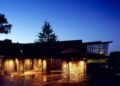
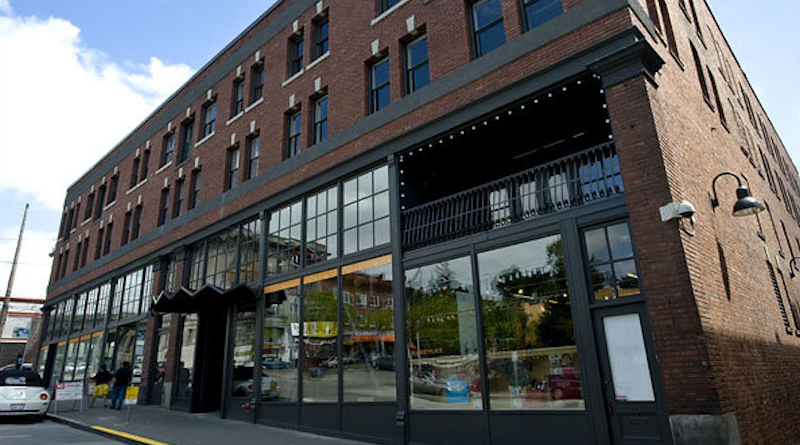
Located at 719 South King Street in Seattle’s Chinatown-International District, the Wing Luke Museum of the Asian Pacific American Experience occupies the 1910 East Kong Yick Building—itself funded by 170 Chinese immigrants as communal investment. The building contained the Freeman Hotel, which housed Chinese, Japanese, and Filipino immigrants until the 1940s in 100 single-occupancy rooms with one bathroom per floor. The museum preserves these spaces as immersive historical exhibits: re-created Freeman Hotel apartments with original tin ceilings and creaking wooden floors, the Gee How Oak Tin Association meeting room, a Canton Alley family apartment, and complete Yick Fung Company general store donated entirely by owner Jimmy Mar.
Established 1967 to honor Wing Luke—first Asian American elected to public office in Pacific Northwest—the museum evolved from small 8th Avenue storefront to Smithsonian Institution affiliate, National Park Service Affiliated Area (February 2013), and only pan-Asian Pacific American community-based museum in United States. The collections contain 18,000+ items including artifacts, photographs, documents, books, and oral histories. But the museum’s true significance lies not in objects collected but in methodologies pioneered: community-based exhibition model placing communities at exhibit creation’s center, immersive preservation of historical spaces rather than removing artifacts to sterile galleries, and neighborhood-as-museum approach treating entire Chinatown-International District as living exhibition.
Wing Luke: The Man Behind the Memorial
Wing Chong Luke was born February 18, 1925 near Guangzhou (Canton), China. His grandfather ran Seattle laundry, but Chinese Exclusion Acts forced Luke’s father returning to China. When Luke was five, family moved to United States, settling Seattle 1931 when Luke was six. Upon arrival, family saved to open modest laundry and grocery in University District. Luke was oldest of six children.
The childhood shaped Luke’s politics. Growing up during Depression in laundryman’s family, attending Roosevelt High School (student body president 1943), serving U.S. Army as veteran, then earning law degree—Luke experienced American Dream’s promise and American racism’s reality simultaneously. He saw contemporaries forced into racialized pockets: Asian Americans on Beacon Hill, African Americans in Central District. Housing segregation wasn’t accidental—it was enforced through restrictive covenants, redlining, and discrimination in selling and renting real estate.
Luke became assistant attorney general for Washington State civil rights division 1957-1962—notable achievement for Chinese American lawyer in era when most legal careers remained closed to Asian Americans. Election to Seattle City Council 1962 (position 5) made him first Asian American elected to public office in Washington State and King County. Gary Locke—first Chinese American governor of Washington (1997-2005)—cited Luke as direct inspiration.
Luke’s council tenure focused on civil rights, Indian fishing rights, urban renewal, and historic preservation. The Open Housing Ordinance passed 1963 with punitive provisions against racial discrimination in real estate transactions became crowning achievement. The legislation faced heavy resistance—Seattle’s white homeowners and real estate interests fought bitterly against losing ability to legally refuse selling or renting to people of color. Luke built coalition through Urban League, Chinese Community Service Organization, Japanese American Citizens League, and Jackson Street Community Council. His diplomatic skill and optimism enabled appealing to diverse constituencies—he famously learned singing entire Norwegian national anthem preparing for address to local Norwegian community.
The political success generated speculation about congressional or mayoral runs. But May 16, 1965, Luke died in plane crash on Merchant Peak in Snohomish County while returning from Okanogan County fishing trip. He was 40 years old. The wreckage wasn’t immediately found. Friends and supporters who raised money searching for him started Wing Luke Memorial Foundation. The money went toward founding museum Luke had reportedly mused about after observing how Chinese American culture in Seattle was “swept under the rug.” The memorial became mission.
The Evolution: From Asian Folk Art to Community-Based Model
The Wing Luke Memorial Museum opened 1967 in small storefront on 8th Avenue. Initially focused on Asian folk art—safe, apolitical, culturally exotic material appealing to mainstream audiences. But the museum soon expanded programming reflecting local community’s diversity. It exhibited emerging local artists’ work, moving beyond imported crafts toward contemporary Asian American artistic production.
The 1987 move to larger 7th Avenue home coincided with name change to Wing Luke Asian Museum, dropping “Memorial” and adding “Asian” to clarify scope. More significantly, the museum achieved national recognition in 1990s under local journalist Ron Chew’s direction. Chew pioneered community-based exhibition model that would define the Wing’s methodology: placing personal experiences at exhibit narratives’ center rather than imposing external expert interpretations.
The traditional museum model operates top-down. Curators with academic credentials decide which objects matter, what stories they tell, how they should be interpreted. Communities become subjects studied by experts, objects displayed in cases, histories narrated by outsiders. The Wing inverted this. Ron Chew’s radical insight: communities should curate their own stories. The museum’s role shifts from authoritative interpreter to facilitator enabling communities telling their truths.
The community-based exhibition model works through structured process taking 12-18 months per exhibit. Museum staff conduct outreach into communities finding individuals and organizations to partner with. They form Community Advisory Committee (CAC) determining exhibit’s direction. Staff conduct research, gather materials, record relevant oral histories under CAC guidance. The CAC also determines exhibit’s overall design and content. This collaboration ensures authentic representation—not experts’ assumptions about what Asian Pacific American experience means, but actual community members’ lived experiences and chosen emphases.
The 1995 Institute for Museum and Library Services National Award for Museum Service recognized the Wing’s exhibit process. Award-winning exhibits include “Do You Know Bruce?”—2014 Bruce Lee exhibit receiving Association of King County Historical Organizations’ 2015 Exhibit Award. The model’s success validated approach: museums could be community-responsive rather than community-extractive, amplifying voices rather than appropriating stories.
The 2008 Move: Building Becomes Museum, Museum Becomes Building
The 2008 relocation to 719 South King Street in renovated East Kong Yick Building marked transformation. The building wasn’t just larger space for exhibits—it was itself the exhibit. Olson Kundig architects drew inspiration from building’s rich 1910 history as social center and living quarters for Chinese, Japanese, and Filipino immigrants. They saved as much original building as possible: timbers cut between floors, character and scale, narrow doorways and corridors on upper floors preserving intimacy of original space.
The Freeman Hotel preservation created time-travel experience. Visitors walk through re-created apartments where early-1900s immigrants lived: small rooms with little natural light (windows facing other buildings’ exterior walls), single occupancy designed for one person but frequently cramming two or three as new arrivals economized. Building occupancy swelled to 300 when designed for 100. Antique wooden floors creak authentically. Original tin ceilings remain. One bathroom per floor served dozens of residents.
The common kitchen becomes emotionally resonant space. Immigrants gathered here sharing meals, but more importantly sharing stories of survival, struggle, and hope. Most residents were “Alaskeros”—using Seattle’s International District as refuge between working Alaska canneries. The seasonal migration pattern brought workers to Seattle during off-months, creating transient but close-knit community bound by shared hardship and dreams of better futures.
The Gee How Oak Tin Association room preserves Chinese benevolent organization meeting space. These associations provided mutual aid, social connection, advocacy, and cultural continuity for immigrants facing hostile environment. The Yick Fung Company general store stands complete with original inventory—Jimmy Mar donated entire store contents ensuring visitors experiencing intact piece of Seattle immigrant history rather than curated selection of representative objects.
The immersive preservation strategy breaks museum conventions. Traditional museums extract objects from original contexts, clean them, light them dramatically, explain them with didactic labels. The approach creates aesthetic contemplation but severs objects from lived reality. The Wing keeps objects in situ. You don’t look at immigrant apartment through glass—you enter it, smell musty air, feel cramped quarters, sense claustrophobic density of lives compressed into tiny rooms.
The 2010 name change to Wing Luke Museum of the Asian Pacific American Experience (informally “The Wing”) reflected expanded scope beyond “Asian” to “Asian Pacific American”—explicitly centering American experience and including Native Hawaiians and Pacific Islanders. The museum represents 26+ ethnic groups, acknowledging pan-Asian identity’s diversity: Chinese, Japanese, Filipino, Korean, Vietnamese, Cambodian, Laotian, Thai, Indonesian, Malaysian, Pacific Islander, and more. Each group brought distinct languages, religions, cultural practices, migration histories, and experiences of American racism.
Bruce Lee: Seattle’s Martial Philosopher
The Wing Luke Museum is only exhibition outside Hong Kong presenting in-depth look at Bruce Lee’s Seattle life. Though born in San Francisco’s Chinatown, Lee lived in Kowloon, Hong Kong from three months old through age 18. He returned to Seattle 1959 finishing high school at Edison Technical School, then attended University of Washington studying philosophy and drama. The Seattle years proved formative.
Lee opened first two martial arts schools in International District’s Chinatown. The neighborhood provided social support and venues demonstrating talent and building following. He’d purchase Chinese vegetables and fresh tofu, watch samurai movies, dine at restaurants like Tai Tung (still operating today). Before long, Lee moved school to University District near UW campus—first formal martial arts school. But he and students frequently returned to Chinatown. The neighborhood shaped Lee’s identity as much as he shaped its cultural legacy.
The permanent Bruce Lee Gallery rotates exhibits every few years showcasing different aspects of life and career. The fifth collaboration between Wing Luke and Bruce Lee Foundation debuted 2022: “Be Water, My Friend: The Teachings of Bruce Lee.” The interactive exhibit invites viewers stepping into Lee’s mind, body, and spirit seeing how unquenchable pursuit of knowledge informed philosophy and life.
Bruce Lee’s 2,800-book personal library—supplied by daughter Shannon Lee, president of Bruce Lee Foundation—anchors the exhibit. The collection surprises visitors expecting martial arts manuals. Instead: philosophy (Eastern and Western), psychology, literature, poetry, acting theory, kinesiology, nutrition, metaphysics. Lee was voracious reader and lifelong student whose intellectual curiosity fed everything else.
The exhibit uses immersive media created by Lola Tango (Eve Weston and Jessica Kantor). Three circular projections of water rippling over smooth stones represent mind, body, spirit. Step onto pad, and book passage Lee underlined or commented on materializes with accompanying picture or video. The interactive technology interweaves beautiful imagery with Lee’s personal objects and books bringing his journey to life. You literally see Lee composed of his books—visual metaphor for how reading shaped identity.
The exhibit title comes from Lee’s most famous quote emphasizing fluidity and formlessness, chafing at labels and their limiting nature. “Be water, my friend” wasn’t just martial arts philosophy—it was life philosophy about adaptation, flexibility, constant learning, refusing rigid categories. The Wing exhibits Lee not just as martial artist and actor but as philosopher whose ideas about self-understanding and self-expression remain relevant during unprecedented chaos.
Bruce Lee’s Chinatown Tour runs five days weekly, guided walks through Lee’s old stomping grounds showing how he became part of local community. Tour visits his first practice space, first martial arts studio, local hangouts. Guest speakers and demonstrations from neighborhood organizations connected to Bruce add living dimension. As tour guide Mimi Chan notes pointing to exposed brick and fire escape ironwork: “What Bruce saw is what we are seeing now.” The continuity between past and present collapses temporal distance—you’re walking where Lee walked, seeing what he saw.
Neighborhood as Museum: Chinatown Discovery Tours
Vi (Violet) Mar founded Chinatown Discovery Tours 1985. Former travel agent, she single-handedly brought large groups of visitors to neighborhood, breaking down cultural barriers and safety concerns. As Vi and husband Howard King approached retirement, they donated business to Wing Luke Museum 2007. The donation enabled museum expanding guided neighborhood tours driving business to local establishments while providing historical context to contemporary Chinatown-International District.
The tours embody museum’s philosophy: don’t cloister visitors inside walls, send them into living neighborhood. The daily Historic Hotel Tour (included with admission) rambles through 60,000-square-foot building once known as Freeman Hotel accessing historically preserved spaces like Yick Fung Store (main floor), Mahjong Room and Freeman Hotel rooms (upper levels). But the real experience happens outside.
The Chinatown-International District walking tours explore eight historic Seattle neighborhoods. The Japanese American Remembrance Trail urban hike visits Japantown past and present—early pioneers to World War II era to community life today. The Filipino Presence tour traces Filipinotown history through Cynthia Mejia-Giudici’s research. Little Sài Gòn exploration reveals Vietnamese community’s social, economic, and cultural hub in Puget Sound region.
The Food & Stories tour—museum’s most popular—invites guests exploring local restaurants learning about food history and staple dishes from Asian American and Pacific Islander cultures. The economic impact matters: tour participants become restaurant customers. The museum intentionally drives revenue toward struggling small businesses rather than capturing spending internally.
The tours reveal layers invisible to casual visitors. Statues, architecture, alleyways, historic markers—each carries stories waiting to be uncovered. Canton Alley and Maynard Alley come alive with music, performances, family games during special events. The neighborhood isn’t museum backdrop—it’s museum itself.
The Chinatown-International District’s uniqueness within American urban history deserves emphasis. This is only area in continental United States where Chinese, Japanese, Filipinos, African Americans, and Vietnamese settled together building one neighborhood. The multicultural density resulted from racism—discriminatory housing policies forced people of color into limited areas. But within those constraints, communities created vibrant shared space.
The neighborhood rose on reclaimed tideflats once populated by Duwamish people. During gigantic city regrading project completed 1910, shoreline was filled with earth, buildings erected, neighborhood born. Much remains nearly hundred years later: brick hotels, wood-framed doorways, elaborate balconies. But incredible change occurred too. Like other neighborhoods, push and pull among residents where race, age, politics, traditions blend together and occasionally collide.
The Challenges: Gentrification, Hate, and Identity Politics
The September 14, 2023 attack destroyed nine museum windows along Canton Alley in crime described as “racially motivated.” Washington State Department of Commerce and City of Seattle made financial donations. The broken windows were replaced with decorative mural—transforming violence into art, destruction into defiance. The attack reminded that Asian American history includes ongoing racism, not just historical discrimination.
The Chinatown-International District faces existential threats from development pressure and gentrification. Light rail construction disrupted businesses. Rising rents force out longtime tenants. New luxury condos tower over historic buildings. The neighborhood’s economic challenges—vacant storefronts, aging infrastructure, lack of investment—paradoxically protected it from earlier gentrification waves. Now that “protection” evaporates as developers eye valuable land near downtown.
The Wing Luke Museum positions itself as “neighborhood history keeper and economic driver” amid looming threats and uncertainty about district’s future vitality. The museum’s survival depends on neighborhood’s survival. The symbiotic relationship means museum can’t just document history—it must actively shape future.
The May 2024 staff walkout protesting “Confronting Hate Together” exhibit revealed internal tensions. Around half of museum’s employees walked out claiming exhibit “conflates anti-Zionism with antisemitism” and demanding museum take “pro-Palestinian stance.” The controversy illustrates challenges facing institutions attempting addressing contemporary social justice issues. What constitutes authentic representation when communities disagree? Who decides which perspectives get amplified? How do museums navigate polarized political landscapes while maintaining community trust?
The community-based model that made Wing Luke pioneering creates vulnerability to these conflicts. When community speaks with one voice, CAC process works beautifully. When community divides along political, generational, or ideological lines, who represents “community”? The staff walkout suggested museum’s employees—many Asian American themselves—felt excluded from decision-making despite community-based process supposedly centering impacted voices.
These tensions aren’t failures—they’re evidence museum takes mission seriously enough that stakes matter. Sterile museums avoiding controversy also avoid relevance. The Wing’s commitment to addressing civil rights and social justice issues necessarily creates friction. The question isn’t whether to engage contentious topics but how to do so honoring multiple perspectives while maintaining institutional integrity.
The Redlining Heritage Trail and Open Housing Legacy
The museum’s 2019 redlining exhibit examined Seattle’s journey to open housing—long struggle persisting today with lasting practices and structures perpetuating housing discrimination and inequity. The project centered diverse experiences of Black, Indigenous, and people of color communities who faced housing discrimination, continuing Wing Luke’s namesake’s civil rights work.
The Open Housing Ordinance Wing Luke championed 1963 didn’t end discrimination—it made discrimination illegal, which isn’t same thing. Redlining maps drawn by Home Owners’ Loan Corporation 1930s designated neighborhoods by “risk” levels. Areas with Asian, Black, or immigrant populations received red “hazardous” ratings denying mortgage access. The practice created generational wealth disparities still visible today.
The Redlining Heritage Trail guides participants through Seattle neighborhoods examining how racial housing exclusions shaped city. The walking tour makes abstract policy concrete—standing in neighborhoods still bearing redlining’s scars, seeing which areas received investment and which didn’t, understanding how 1930s discrimination shapes 2024 Seattle.
The exhibit and trail demonstrate museum’s sophistication about structural racism. Individual prejudice matters, but systems matter more. Wing Luke didn’t just fight bigoted landlords—he fought legal framework enabling discrimination. Contemporary museum doesn’t just celebrate Asian American achievement—it examines how racism shapes opportunity, wealth, health, and life chances across generations.
The Model for Museums: Community First, Always
The Wing Luke Museum pioneered approach now influencing museums nationwide. The community-based exhibition model placing lived experiences at center, immersive preservation maintaining historical spaces’ integrity, neighborhood-as-museum treating surrounding area as extension of institutional mission, economic decisions prioritizing community benefit over institutional revenue—each represents alternative to extractive museum practices.
Traditional museums often treat communities as mines: extract cultural artifacts, display them for predominantly white audiences, generate revenue benefiting institution, return little to communities stripped of cultural patrimony. The Wing inverted this. The museum exists to serve Asian Pacific American communities first, broader publics second. Success is measured by neighborhood vitality, not just visitor numbers.
The café absence symbolizes philosophy. Yes, museum could generate revenue through food service. But neighborhood restaurants need customers more than museum needs café profits. The decision sacrifices institutional income for community economic development. It’s museum as citizen rather than museum as fortress.
The all-day admission pass enabling multiple entries throughout day acknowledges how people actually experience neighborhoods. Nobody spends eight straight hours in museum. But they might visit exhibits for two hours, eat lunch at nearby restaurant, walk around neighborhood, return for afternoon tour, explore Canton Alley, come back for evening event. The admission structure accommodates this rhythm rather than forcing single-visit maximization.
The Historic Hotel Tour inclusion with admission makes building accessible. Preserved historical spaces aren’t add-on experiences requiring extra fees—they’re integral to museum visit. The Freeman Hotel rooms, Yick Fung store, Gee How Oak Tin Association meeting room aren’t behind velvet ropes. You enter them, inhabit them temporarily, feel what living in early-1900s immigrant Seattle meant physically.
The oral history lab inside museum for staff and public use demonstrates commitment to ongoing collection and community access. Oral histories aren’t gathered, archived, and hidden in temperature-controlled storage accessible only to researchers. They’re actively used in exhibits, made available to public, and continuously expanded as museum records contemporary community voices alongside historical testimonies.
The 18,000+ collection items viewable through online database democratizes access. Collections shouldn’t be specialists’ private domain. Descendents searching for family histories, researchers investigating topics, students working on projects, curious community members exploring heritage—all can access collections without visiting physical museum or requesting special permissions.
The Smithsonian Affiliation and National Park Service Recognition
The Smithsonian Institution affiliation and National Park Service Affiliated Area designation (first Smithsonian affiliate in Pacific Northwest) validate Wing Luke’s national significance. These aren’t honorary titles—they bring resources, networking, professional development, collection care standards, and legitimacy within museum field.
The National Park Service recognition particularly matters. Rhea Suh, Assistant Secretary of Interior, stated: “As first-generation Asian American and senior appointee of Obama Administration, I am humbled and inspired by public service legacy of Wing Luke.” The designation acknowledges that Asian Pacific American history is American history deserving federal recognition and protection.
The affiliations also bring complications. Smithsonian and National Park Service have standards, protocols, expectations. The community-based model doesn’t always align with traditional museum practices. Credentialed curators might question CAC authority over content. Professional standards might conflict with community preferences. The Wing navigates these tensions by maintaining fierce commitment to community-based approach while engaging professionally with broader museum field.
The balance succeeds because Wing Luke doesn’t apologize for difference. The museum asserts that community-based model produces better outcomes than traditional expertise-driven curation. The national awards, Smithsonian affiliation, and National Park Service recognition validate this assertion. The Wing doesn’t conform to museum norms to gain legitimacy—it changes norms and gains legitimacy anyway.
The Living Memorial: Wing Luke’s Dream Realized
Wing Luke mused about museum after observing how Chinese American culture in Seattle was swept under the rug. He didn’t live to see museum bearing his name, but the institution realizes his vision more completely than simple memorial could.
The museum doesn’t just preserve Asian Pacific American history—it actively shapes contemporary community through youth programs, advocacy, economic development, cultural celebration. The Lunar New Year Fair, JamFest, Holiday Market, Nihonmachi Week, neighborhood tours, educational programs—all create living culture rather than embalmed heritage.
The museum serves as economic anchor for neighborhood—driving tourist spending to local businesses, providing jobs, creating venue for community events, maintaining cultural destination drawing visitors who then explore district. The economic impact matters because neighborhood’s survival depends on viable business district. Empty storefronts breed more empty storefronts. The Wing generates foot traffic maintaining commercial vitality.
Wing Luke’s commitment to open housing, civil rights, historic preservation lives through museum’s contemporary work. The redlining exhibits, activism around development threats, advocacy for neighborhood preservation, attention to displacement and gentrification—all continue Luke’s political project. The museum isn’t neutral institution documenting history—it’s engaged organization shaping futures.
The 60,000-square-foot building housing preserved Freeman Hotel rooms, three floors of galleries featuring rotating exhibits, permanent Bruce Lee gallery, oral history lab, educational spaces, and offices creates comprehensive infrastructure serving multiple functions simultaneously. It’s museum, community center, advocacy organization, economic development engine, and neighborhood anchor.
Most importantly, the Wing Luke Museum demonstrates that museums can be different. They can serve communities rather than extracting from them, amplify voices rather than appropriating stories, drive neighborhood economic development rather than gentrifying, address contemporary social justice rather than only preserving past. The model isn’t perfect—staff walkout and internal conflicts prove that. But imperfect engagement beats perfect neutrality. The museum without walls refuses staying within safe boundaries, instead embracing neighborhood’s messiness, communities’ contradictions, and history’s ongoing unfolding.
Wing Luke’s life was cut short at 40, but his museum at 57 years old continues growing, evolving, challenging, and serving. The greatest memorial isn’t bronze statue or building named for someone—it’s living institution embodying their values and continuing their work. Seattle’s Chinatown-International District would look dramatically different without the Wing Luke Museum. The neighborhood Luke fought to preserve through open housing and historic preservation advocacy persists partly because museum bearing his name refuses letting it get swept under the rug.