Seattle has a reputation problem. Outsiders hear “Pacific Northwest winter” and think gray skies, endless drizzle, and the kind of oppressive dampness that seeps into bones and stays there until May. What they don’t realize is that those same rain clouds dumping moisture on the city are piling snow—glorious, abundant snow—on mountain peaks just an hour’s drive away. The result is a winter outdoor paradise hiding in plain sight, where a morning commute through mist can lead to an afternoon carving powder at 5,000 feet.
The Cascade Range rises like a wall to Seattle’s east, catching Pacific storms and transforming them into the deep snowpack that feeds world-class skiing, endless snowshoe trails, and frozen waterfalls that look like they belong in a fantasy novel. To the west, the Olympic Mountains offer their own winter rewards. And tucked into valleys throughout the region, charming mountain towns glow with holiday lights and steam rising from hot drinks. This is winter in the Seattle area—not something to endure, but something to embrace.
Downhill Skiing and Snowboarding: The Cascade Advantage
The proximity of quality ski terrain to a major metropolitan area is something Seattle residents tend to take for granted. Within two hours of downtown, skiers and snowboarders have access to multiple resorts, each with distinct personalities and terrain offerings.
Crystal Mountain: The Crown Jewel
Washington’s largest ski resort sprawls across 2,600 acres of skiable terrain, offering something that few Cascade ski areas can claim: legitimate above-tree-line skiing. Crystal Mountain sits in the shadow of Mount Rainier, and on clear days, the views from the summit compete with the skiing itself for attention. The Mt. Rainier Gondola carries visitors over 2,400 vertical feet to panoramic views that stretch across the Cascade Range.
Crystal functions as something close to a proper destination resort, with slopeside lodging and après-ski culture centered around the Snorting Elk Cellar, a beloved institution where tired legs and cold cheeks find relief in the form of beer and conversation. The mountain’s aspect means it can hold snow well, though wind holds on the upper mountain sometimes close prime terrain. Located about two hours from Seattle via Highway 410, Crystal rewards the slightly longer drive with terrain variety that ranges from gentle groomers to genuine expert challenges.
Stevens Pass: The Working Skier’s Mountain
Stevens Pass occupies a sweet spot for Seattle-area skiers: close enough for a day trip, varied enough to keep things interesting. Situated along Highway 2 about ninety minutes from the city, Stevens offers over 1,100 acres of terrain accessible via 13 lifts. The mountain has invested in infrastructure improvements, including new chairlifts that move more skiers uphill per hour.
What sets Stevens apart is its night skiing operation. On certain evenings, lights illuminate portions of the mountain, extending the ski day well past sunset. For workers who can’t escape until afternoon, or families juggling multiple schedules, night skiing transforms a potential missed opportunity into a legitimate session. The vibe skews younger and more energetic after dark, with shorter lift lines and a different rhythm than daytime skiing.
Stevens Pass also operates a Nordic Center five miles east of the main ski area, making it possible to combine downhill and cross-country skiing in a single trip. The Lodge at Mill Valley serves as base camp for the Nordic trails, offering rentals, lessons, and the kind of mountain hospitality that makes cold weather more bearable.
The Summit at Snoqualmie: Seattle’s Training Ground
If Stevens Pass is the working skier’s mountain, the Summit at Snoqualmie is Seattle’s living room. Located just an hour from the city along Interstate 90, Snoqualmie introduces thousands of newcomers to skiing and snowboarding each year. The vertical drop is modest—closer to a hill than a mountain by destination resort standards—but the accessibility is unmatched.
The Summit actually encompasses multiple interconnected areas. Summit Central and Summit West cater to beginners and intermediates, with lesson programs, terrain parks, and gentle runs designed for skill-building. Alpental, separated by a few miles but included in the same operation, offers a dramatically different experience: steep, challenging terrain that attracts expert skiers looking for technical lines without the crowds.
Snoqualmie pioneered night skiing in the Pacific Northwest and claims to offer more illuminated terrain than anywhere else in the country. Combined with its proximity to Seattle, this makes it possible to ski after work on a weekday evening—a luxury that transforms winter from a season of hibernation to one of active adventure.
Beyond the Chairlift: Alternative Winter Sports
Downhill skiing and snowboarding dominate the winter conversation, but the mountains near Seattle support a much wider range of cold-weather activities. For those who prefer self-propulsion over chairlift rides, or who want to experience winter wilderness without the crowds at ski resorts, alternatives abound.
Snowshoeing: Walking Into Winter
Snowshoeing requires little more than the willingness to strap flotation devices to your feet and walk. The learning curve barely exists—if you can hike, you can snowshoe. What you gain is access to a transformed landscape, where familiar trails become something entirely new under a blanket of white.
Gold Creek Pond near Snoqualmie Pass offers one of the most accessible introductions to snowshoeing in the Seattle area. The terrain is relatively flat, the route straightforward, and on clear days, views of surrounding peaks reward the minimal effort required. It’s the kind of place where families with young children can build confidence, where newcomers can learn without committing to a major expedition.
Commonwealth Basin, accessed from the same general area, steps up the challenge while remaining approachable. The trail winds through forest before opening into a glacial cirque surrounded by craggy peaks. It feels like backcountry adventure without requiring backcountry expertise.
Further afield, the Mount Tahoma Trails Association maintains over 40 miles of trails in the Mount Rainier foothills, including a hut-to-hut system that allows multi-day winter adventures. Three backcountry huts and a yurt provide overnight shelter, making extended trips possible even for those without winter camping experience.
Cross-Country Skiing: The Quiet Alternative
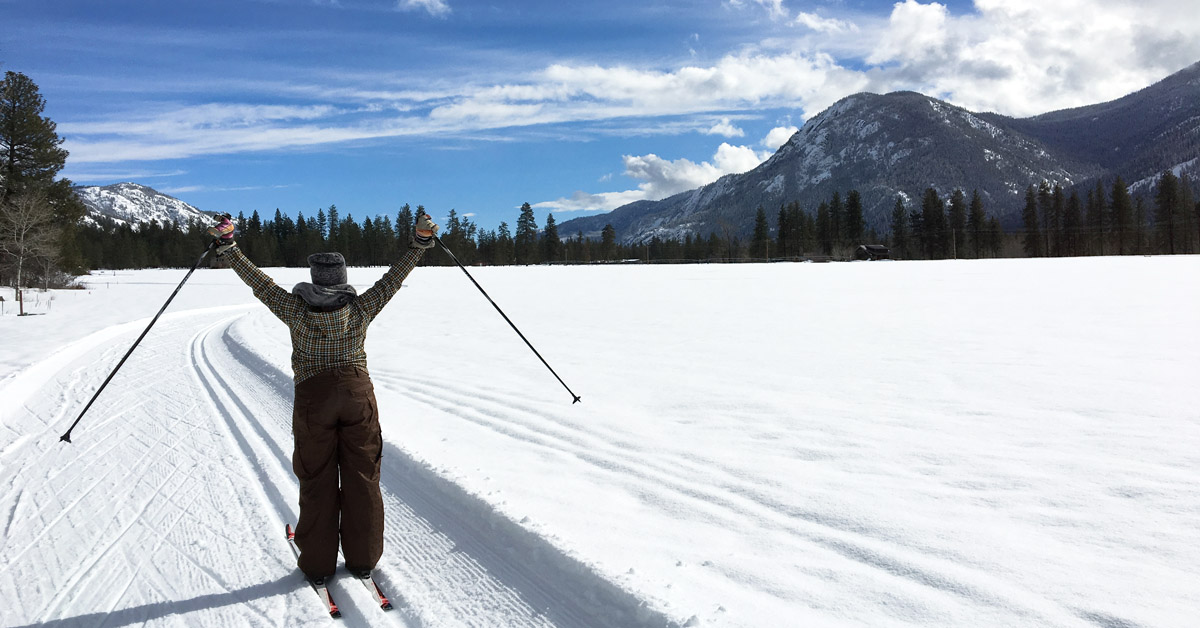
Cross-country skiing trades the adrenaline of downhill for something more meditative: rhythmic movement through silent forests, the only sounds your own breathing and the whisper of skis on snow. The Seattle area supports multiple Nordic centers, each offering groomed trails and the infrastructure that makes the sport accessible to beginners.
The Summit Nordic Center at Snoqualmie Pass provides over 40 kilometers of groomed trails weaving through the Central Cascade Mountains. Lift access to upper trails via the Silver Fir Express opens terrain that would otherwise require significant climbing. Lessons and rentals make it easy to try Nordic skiing without investing in equipment.
Stevens Pass Nordic Center, located in Mill Valley about five miles east of the main ski area, offers a more intimate experience. The Cascade Depot lodge serves as home base, with trails radiating into surrounding forest. Dedicated snowshoe trails keep different user groups separated, and a free sledding hill provides entertainment for families with young children.
For those willing to make a longer journey, the Methow Valley in north-central Washington offers what may be the best cross-country skiing on the continent. The trail system includes over 200 kilometers of groomed tracks, making it the largest in North America. Towns like Winthrop and Mazama provide lodging, dining, and the kind of small-town charm that makes a weekend ski trip feel like a proper getaway.
Tubing and Sledding: Pure Joy, Zero Technique
Not every winter activity needs to involve skill development or physical conditioning. Sometimes you just want to fly down a hill on an inflatable ring, shrieking with glee like a kid who just discovered gravity. The Summit at Snoqualmie operates one of the best-organized tubing operations in the region, with groomed lanes, covered moving carpets for the ride back up, and a structure that minimizes chaos while maximizing fun.
Leavenworth Ski Hill offers a more rustic tubing experience: a single lane with a rope tow, 100 feet of vertical drop, and six runs per ticket. It’s simpler, smaller, and somehow more charming for its modesty. Combined with a visit to the Bavarian-themed village, it makes for a perfect winter day trip.
Winter Hiking and Waterfall Chasing
Seattle’s winter doesn’t always mean snow. At lower elevations, trails remain accessible year-round, and the increased rainfall that defines the season transforms waterfalls into thundering spectacles. Winter hiking in the Seattle area offers something unique: the chance to experience familiar landscapes under dramatically different conditions.
Wallace Falls State Park
Wallace Falls ranks among the most popular waterfall hikes in the region for good reason. The trail winds through old-growth forest along the Wallace River, climbing steadily toward viewpoints of a multi-tiered waterfall system. Lower, Middle, and Upper Falls each offer distinct perspectives, and ambitious hikers can push to all three in a single outing.
Winter conditions at Wallace Falls rarely involve deep snow—the relatively low elevation keeps the trail accessible through most of the season. The falls themselves become more impressive after heavy rains, when increased water volume amplifies their power. Go early on weekday mornings to avoid crowds, and bring proper rain gear regardless of the forecast.
Franklin Falls: Ice and Fire
Franklin Falls near Snoqualmie Pass transforms into something magical when temperatures drop. The 70-foot cascade can freeze partially or completely, creating ice formations that look like the entrance to some crystalline cave. During cold snaps, the frozen falls draw crowds of photographers and winter enthusiasts seeking something genuinely otherworldly.
Winter access to Franklin Falls requires more effort than summer visits. The road to the trailhead closes when snow makes it impassable, adding roughly four miles of approach hiking each way. A Sno-Park permit is required for parking, and the basin beneath the falls sits at the bottom of an avalanche chute—checking conditions with the Northwest Avalanche Center before visiting is essential.
When conditions align—cold enough to freeze the falls, stable enough to visit safely—Franklin Falls in winter justifies every bit of extra effort required to get there. It’s the kind of scene that makes you feel fortunate to live in this corner of the world.
Snoqualmie Falls: The Easy Classic
Snoqualmie Falls requires almost no effort to experience. A short walk from parking leads to observation platforms overlooking the 268-foot cascade, which remains impressive in every season. Winter brings reduced crowds compared to summer, and the falls themselves become even more powerful after seasonal rains swell the Snoqualmie River.
The Salish Lodge and Spa perches on the cliff edge beside the falls, offering upscale dining and accommodation for those who want to extend a waterfall visit into a proper getaway. The lodge’s restaurant serves breakfast with falls views—a civilized way to start a winter day in the mountains.
Weekend Getaways: Escaping Seattle Properly
Sometimes a day trip isn’t enough. The mountains near Seattle hide charming towns that specialize in winter hospitality, places where the point isn’t just outdoor adventure but also fireplaces and hot drinks and the particular pleasure of being somewhere cozy while snow falls outside.
Leavenworth: Bavaria in the Cascades
Leavenworth committed so fully to its Bavarian theme that the transformation stopped feeling like a gimmick decades ago. The timber-framed buildings, German restaurants, and beer halls create an atmosphere that approaches European authenticity—especially in winter, when half a million twinkling lights illuminate the village from Thanksgiving through February.
The Village of Lights celebration draws visitors throughout December, with carolers, Christmas characters, and the kind of concentrated holiday cheer that can thaw even determined cynics. Sleigh rides through snow-covered meadows, visits to a reindeer farm, and the Nutcracker Museum’s collection of over 9,000 specimens add to the holiday programming.
Beyond the festivities, Leavenworth sits at the confluence of winter recreation opportunities. Lake Wenatchee State Park offers cross-country skiing and snowshoeing. Plain Valley, about thirty minutes north of town, provides family-friendly Nordic trails. And the surrounding peaks hold enough backcountry terrain to satisfy adventurous skiers for a lifetime.
The drive from Seattle takes about two hours via Highway 2 over Stevens Pass—a route that can become challenging in winter weather. Check road conditions before departing, carry chains, and consider allowing extra time. Many visitors book accommodations for at least one night, both to avoid nighttime mountain driving and to experience Leavenworth after the day-trippers have departed.
Suncadia Resort: All-Inclusive Winter
Suncadia Resort near Cle Elum takes a different approach to winter getaways: collect every possible cold-weather activity in one location and let guests choose their own adventure. Ice skating, tubing, cross-country skiing, and spa treatments compete for attention, all accessible without leaving the property.
The resort’s year-round heated outdoor pool provides a particular pleasure when snow falls around it—floating in warm water while watching flakes drift down combines comfort and novelty in equal measure. A cedarwood sauna and aromatherapy steam room extend the relaxation options.
Located about ninety minutes from Seattle via Interstate 90, Suncadia appeals to families and groups seeking convenience alongside adventure. The lodge setting means no driving between activities, no packing and unpacking gear between venues. It’s winter simplified, designed for maximum enjoyment with minimum logistics.
Practical Considerations: Making Winter Work
Seattle’s winter requires different preparation than skiing in Colorado or Vermont. The maritime climate means temperatures hover around freezing rather than plunging far below it, but moisture levels are high and conditions can change rapidly.
Dressing for Success
The Pacific Northwest demands layering. A waterproof outer shell is essential—rain at lower elevations and wet snow higher up will soak through anything not designed to repel water. Gore-Tex or equivalent membranes keep moisture out while allowing perspiration to escape.
Underneath, think synthetic or wool rather than cotton. Cotton absorbs moisture and loses insulating properties when wet—a potentially dangerous combination in cold conditions. Base layers of merino wool or synthetic fabrics wick sweat away from skin, while mid-layers of fleece or down provide warmth.
Footwear matters enormously. Waterproof boots with good traction prevent the kind of wet, cold feet that ruin winter outings. For snow activities, consider boots rated for the specific pursuit—ski boots for skiing, insulated winter boots for snowshoeing, and appropriate footwear for each condition.
Road Conditions and Mountain Travel
Winter driving in the Cascades requires respect and preparation. The Washington State Department of Transportation maintains roads to ski areas and through mountain passes, but conditions can deteriorate rapidly during storms. Chains may be required by law, and the fines for non-compliance are substantial.
Check WSDOT conditions before any mountain trip. Webcams at major passes show current visibility and road status. When conditions look marginal, consider delaying departure until after plows have cleared overnight accumulation.
For major ski areas, parking has become increasingly managed. Summit at Snoqualmie charges parking fees and sometimes requires advance reservations on busy days. Crystal Mountain implements parking reservations during periods of limited access. Planning ahead prevents frustration and ensures access to intended destinations.
Permits and Passes
Winter recreation requires various permits depending on destination. Sno-Park permits are mandatory for parking at designated winter recreation areas, with the standard permit covering parking and additional Groomed Trails permits required for areas with maintained Nordic trails.
Ski resort lift tickets follow dynamic pricing models—purchasing in advance online typically saves money compared to window prices. Season passes from the major conglomerates (Ikon for Crystal Mountain, Epic for Stevens Pass) provide access to multiple resorts and can pay off quickly for frequent skiers.
National forest lands require a Northwest Forest Pass for trailhead parking, while Washington State Parks require a Discover Pass. The America the Beautiful pass covers federal lands and can represent good value for active outdoor recreationists.
The Winter Mindset
Living through a Seattle winter requires attitude adjustment. The gray days are real, the rain persistent, and seasonal affective disorder common enough that light therapy lamps sell briskly every autumn. But treating winter as something to survive rather than embrace misses the point of living in a region where the mountains are this accessible and the snow this abundant.
The cure for Seattle winter blues isn’t in supplements or sun lamps alone—it’s in getting out. An hour of snowshoeing through quiet forest, an evening session under the lights at Snoqualmie, a weekend in Leavenworth watching snow fall on twinkling lights: these experiences transform winter from endurance test to opportunity.
The gear exists to make cold weather comfortable. The infrastructure exists to make mountain access straightforward. The terrain exists to provide adventure at every skill level. What remains is simply deciding to go—to recognize that the same clouds dumping rain on the city are building the snowpack that makes this region special.
Seattle winter isn’t something that happens to you. It’s something you participate in, actively and enthusiastically, with waterproof layers and a willingness to embrace what the season offers. The mountains are waiting, covered in snow, and the only question is when you’ll join them.