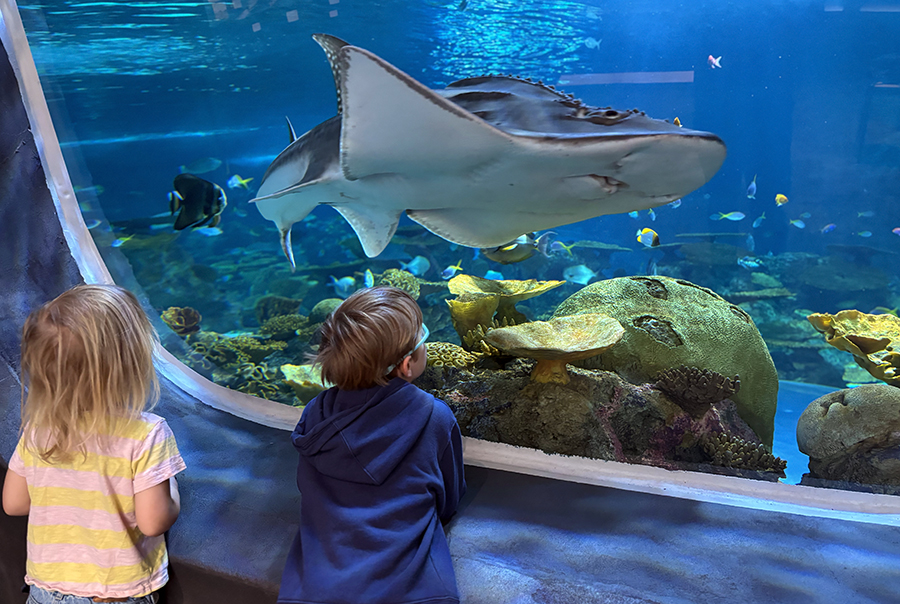
Seattle is a city renowned for its maritime culture, iconic skyline, and the ever-present sound of water lapping against its shores. Nestled on Pier 59 along the picturesque Elliott Bay, the Seattle Aquarium stands as a gateway to the vibrant marine ecosystems of the Pacific Northwest. Since its opening in 1977, the aquarium has been more than just a collection of tanks and exhibits—it is a hub of education, conservation, and community engagement, offering visitors of all ages an opportunity to connect with the ocean in profound and lasting ways.
A Landmark on the Waterfront
The Seattle Aquarium’s location on the central waterfront makes it both a tourist attraction and a vital part of the city’s identity. The building itself is designed to complement its maritime surroundings, featuring large glass windows that allow natural light to illuminate exhibits while offering views of the Puget Sound. Its accessibility from downtown Seattle makes it a convenient stop for families, school groups, and travelers exploring the city.
Beyond its architectural appeal, the aquarium’s position on Elliott Bay provides more than just scenic value. It allows staff to source live specimens directly from the surrounding waters and engage in hands-on conservation and research programs that benefit local marine life. This connection between the aquarium and the natural environment reinforces its mission to inspire stewardship of aquatic ecosystems.
Exhibits That Showcase the Pacific Northwest
The Seattle Aquarium is particularly notable for its focus on the marine life of the Pacific Northwest, providing a regional perspective that sets it apart from many other aquariums. Its exhibits are thoughtfully curated to educate visitors about the diversity of local species, their habitats, and the environmental challenges they face.
The Window on Washington Waters
One of the aquarium’s signature features is the Window on Washington Waters exhibit. Visitors are greeted with a large viewing window that reveals a dynamic underwater environment teeming with marine life. From rockfish gliding gracefully through the water to lingcod camouflaging against the rocky backdrop, this exhibit captures the complexity of the region’s marine ecosystems. Interpretive signage provides context about each species, their ecological roles, and the conservation efforts needed to protect them.
The exhibit is not just visually striking; it also emphasizes sustainability. Through this lens, visitors learn about the interconnectedness of species and habitats, the impact of overfishing, and the importance of maintaining healthy waterways for future generations.
Underwater Dome and Open Ocean Exhibits
The Underwater Dome is another standout feature. Its circular design allows for 360-degree views of aquatic life in a simulated open-ocean environment. Here, visitors can watch harbor seals and other marine mammals as they navigate their habitats. This exhibit offers a rare glimpse into behaviors that are difficult to observe in the wild, such as hunting strategies and social interactions among species.
The Open Ocean exhibit showcases larger species, including schools of salmon and sturgeon, emphasizing their migratory patterns and the challenges they face from habitat disruption and climate change. These exhibits are accompanied by interactive stations where visitors can learn about water quality, ocean currents, and the delicate balance of marine ecosystems.
Touch Tanks and Interactive Experiences
A hallmark of the Seattle Aquarium experience is its hands-on touch tanks. These interactive displays allow visitors to gently interact with species such as sea stars, sea urchins, and anemones. The tactile engagement fosters curiosity and a sense of connection, making complex ecological concepts tangible.
Educators stationed around the touch tanks provide guidance on proper handling and offer insights into each species’ role within its ecosystem. By combining sensory experiences with expert knowledge, these exhibits cultivate empathy for marine life and reinforce the importance of conservation efforts.
Education at the Heart of the Aquarium
The Seattle Aquarium has long prioritized education as a central mission, developing programs that reach thousands of students, teachers, and lifelong learners each year. Through school programs, public workshops, and community outreach initiatives, the aquarium provides tools for understanding and protecting marine environments.
School and Youth Programs
School groups visiting the aquarium gain access to curriculum-aligned programs that cover biology, ecology, and environmental science. Lessons often include hands-on activities, guided tours, and the opportunity to observe animals in real-time. These programs are designed to spark interest in STEM subjects while fostering a sense of responsibility toward the natural world.
For younger audiences, the aquarium offers summer camps and youth workshops that combine adventure with learning. Children explore tide pools, study local marine species, and engage in creative activities that reinforce the principles of conservation. By connecting education with experiential learning, the aquarium ensures that knowledge is not only absorbed but remembered.
Community Engagement and Public Education
Beyond formal education, the Seattle Aquarium engages the broader public through lectures, workshops, and seasonal events. Topics range from sustainable seafood practices to marine mammal rescue efforts, providing visitors with actionable knowledge that extends beyond the aquarium walls. Public programs are designed to appeal to diverse audiences, from casual tourists to passionate environmentalists, creating a community invested in the health of local waters.
Conservation and Research Initiatives
The Seattle Aquarium is widely recognized not just as a center for marine education, but as a critical hub for marine conservation and scientific research. Its work extends well beyond the glass walls of its exhibits, reaching into Puget Sound, the greater Pacific Northwest, and even international waters. Conservation is woven into every aspect of the aquarium’s operations, from animal care to habitat restoration and community engagement, reflecting a holistic approach to protecting aquatic ecosystems.
The aquarium’s programs are structured to address three major goals:
-
Protect marine species, particularly those threatened or vulnerable in the region.
-
Restore and maintain healthy habitats, ensuring biodiversity and ecosystem resilience.
-
Mitigate human impacts, such as pollution, overfishing, and climate change.
Through these goals, the Seattle Aquarium combines hands-on research, public education, and scientific partnerships, creating a feedback loop where science informs public awareness, and public support enables further research and conservation.
Marine Mammal Rescue and Rehabilitation
One of the most visible and compelling aspects of the aquarium’s conservation work is its involvement in marine mammal rescue and rehabilitation. Stranded, injured, or ill animals—most commonly harbor seals, California sea lions, sea otters, and occasionally whales—are brought to the aquarium in coordination with the National Oceanic and Atmospheric Administration (NOAA), Coast Guard, and local marine rescue organizations.
Each case is carefully assessed by trained veterinary and animal care teams. The animals receive immediate medical attention, including treatment for wounds, infections, or malnutrition. Some undergo specialized rehabilitation programs, including physical therapy to regain mobility, feeding training for hunting skills, and socialization for species that interact in pods or colonies. The ultimate goal is release back into the wild, whenever possible, once the animal is healthy and able to survive independently.
Beyond direct care, these rescue operations provide critical data for research. Monitoring rescued animals can reveal trends in disease prevalence, stress markers, environmental toxins, and changes in population health. For example, a spike in stranded sea lions can indicate broader ecological disturbances, such as prey scarcity or pollution events. Visitors benefit from seeing these real-world conservation efforts through exhibits, interactive displays, and presentations that highlight individual animals’ stories, fostering a tangible connection to wildlife and the importance of human stewardship.
Habitat Restoration and Environmental Stewardship
Protecting marine species requires protecting the ecosystems they inhabit, and the Seattle Aquarium has long invested in habitat restoration projects throughout Puget Sound and surrounding waters.
Key initiatives include:
-
Eelgrass Restoration: Eelgrass beds are vital nursery grounds for juvenile fish and invertebrates. The aquarium has been involved in replanting efforts, carefully cultivating eelgrass in nurseries and transplanting it into areas where it has declined due to pollution or sedimentation. These efforts help support fish populations, maintain water quality, and stabilize the seabed.
-
Water Quality Improvements: Collaborating with local municipalities and conservation groups, the aquarium monitors pollutants, advocates for cleaner waterways, and participates in programs to reduce runoff from urban and industrial areas.
-
Native Species Support: In addition to habitat work, the aquarium supports populations of native shellfish, invertebrates, and other species by reintroducing them to areas where they have dwindled. This includes careful monitoring to ensure reintroduction does not disrupt existing ecosystems.
The aquarium also takes environmental stewardship into the community. Programs educate the public about:
-
Responsible seafood consumption and the impact of overfishing.
-
How household pollutants affect marine life and how to reduce them.
-
Climate change’s effects on local habitats, such as ocean acidification and rising water temperatures.
By combining scientific work with public education, the aquarium empowers individuals to contribute to conservation through their daily choices, creating a ripple effect that benefits the entire ecosystem.
Research Partnerships
The Seattle Aquarium maintains strong partnerships with universities, government agencies, and non-profit organizations to advance marine science. These collaborations allow staff to conduct long-term studies, contribute to policy-making, and develop evidence-based conservation strategies.
Research areas include:
-
Salmon Migration Tracking: Scientists use tagging, satellite tracking, and population surveys to study salmon migration patterns, survival rates, and spawning success. This data informs habitat protection and fisheries management.
-
Invertebrate Monitoring: Sea stars, crabs, and other invertebrates are tracked for population trends, disease outbreaks, and ecological interactions, providing early warning of ecosystem stress.
-
Kelp Forest Health Assessments: Kelp forests are critical habitats for numerous species. Aquarium researchers monitor kelp density, growth rates, and threats like invasive species or water temperature changes, helping guide conservation interventions.
These research initiatives often generate data shared in scientific publications, policy recommendations, and public reports, reinforcing the aquarium’s role as a knowledge hub and ensuring that conservation practices are based on rigorous evidence rather than anecdote.
Seasonal Highlights and Special Exhibits
The Seattle Aquarium keeps its conservation and research mission engaging for visitors through seasonal and temporary exhibits that highlight ongoing work and marine life phenomena.
Salmon Seasons and Spawning
The annual salmon migration is one of the most educational and dramatic events at the aquarium. Interactive exhibits show how different salmon species navigate rivers, avoid predators, and return to their natal streams to spawn. The displays cover the challenges salmon face from dams, pollution, and habitat loss, illustrating the importance of river restoration and sustainable fisheries. Live cameras, interpretive signage, and interactive displays allow visitors to follow the journey in real time, turning an ecological process into an immersive learning experience.
Marine Mammal Focus Weeks
Throughout the year, the aquarium dedicates programs to specific marine mammals, providing in-depth educational experiences. For example, during harbor seal weeks, visitors can witness feeding demonstrations, learn about vocalizations and social behavior, and explore the impact of human activity on local populations. These events offer behind-the-scenes tours, showcasing veterinary care, research methods, and rescue operations, giving the public a comprehensive view of conservation in action.
Holiday and Community Events
The aquarium also hosts family-friendly events, including holiday programs and overnight “Night at the Aquarium” experiences. Participants engage in scavenger hunts, interactive workshops, and storytelling sessions designed to make learning memorable. These events blend entertainment and education, encouraging children and adults alike to think critically about environmental stewardship while fostering a lasting connection to marine ecosystems.
Architecture and Design That Enhances Learning
The Seattle Aquarium is not just a repository of marine life—it is a carefully designed environment that seamlessly blends education, engagement, and animal welfare. Every aspect of its architecture and layout is intentional, guiding visitors through a journey that mirrors the ecological progression from local tide pools to the vast open ocean.
The building’s physical flow is as much a teaching tool as the exhibits themselves. Guests begin with the species and habitats closest to home, exploring the diverse life found along Washington’s shores. From there, the path gradually expands to encompass deeper waters and more complex ecosystems, allowing visitors to contextualize local marine life within the larger marine environment. This narrative journey creates a natural story arc that fosters understanding without relying solely on text-heavy explanations.
Viewing opportunities are designed for engagement and immersion. Large, panoramic windows allow visitors to see entire ecosystems at once, while elevated platforms provide different vantage points to observe the behavior of aquatic animals. The aquarium’s underwater tunnels are particularly effective, placing visitors at eye level with fish, invertebrates, and mammals as they move through their habitats. This proximity gives an intimate sense of connection while maintaining safe barriers for both animals and humans.
Beyond physical structure, the aquarium incorporates lighting, sound design, and interactive technology to enrich learning experiences. Carefully controlled lighting simulates natural conditions, helping animals maintain healthy circadian rhythms while also highlighting their colors, movements, and unique adaptations. Subtle background sounds, from flowing water to natural habitat audio cues, enhance the sensory experience without causing stress to the animals. Interactive digital displays allow visitors to explore detailed information on species, habitat conditions, and conservation challenges, offering layered learning opportunities that cater to a wide range of curiosity levels.
The design philosophy emphasizes organic learning. Rather than relying on linear signage or rigid interpretation, visitors are encouraged to follow their curiosity, engaging with tactile exhibits, observation points, and interactive stations. This approach aligns with modern educational theory, which suggests that self-directed exploration leads to deeper understanding and retention. By blending architecture, technology, and exhibit design, the Seattle Aquarium creates an environment where learning is both intuitive and engaging.
Accessibility and Inclusivity
Education about marine ecosystems is meaningful only if it is accessible to everyone, and the Seattle Aquarium has made inclusivity a cornerstone of its operations. Facilities are fully wheelchair accessible, with ramps, elevators, and wide pathways that ensure that all areas of the aquarium are navigable. Exhibits are designed with multiple sensory modalities, providing visual, auditory, and tactile experiences to accommodate different learning styles. For instance, touch tanks offer hands-on interaction, while descriptive signage and audio guides support visitors with visual impairments.
Programs are offered in multiple languages, and staff receive specialized training to support diverse audiences, including visitors with cognitive or sensory differences. By prioritizing accessibility, the aquarium fosters a culture of inclusivity, ensuring that everyone—regardless of ability, age, or background—can engage with the wonders of the marine world.
Inclusive design also strengthens the aquarium’s educational mission. When barriers are removed, more people can form meaningful connections with marine life and conservation efforts. This approach aligns with a broader philosophy that environmental stewardship is most effective when it is universal, allowing diverse communities to contribute to the protection of oceans and watersheds.
Dining, Shopping, and Visitor Amenities
A well-rounded visitor experience extends beyond exhibits, and the Seattle Aquarium provides amenities that complement learning while enhancing comfort and engagement. The on-site café serves locally sourced fare, including sustainable seafood options that align with the aquarium’s conservation ethos. This approach not only reinforces environmental messages but allows guests to explore sustainability in a tangible way through their food choices.
The gift shop offers a curated selection of educational toys, books, and eco-friendly souvenirs, encouraging visitors to continue their learning at home. Items range from tide pool exploration kits to books on marine biology, allowing children and adults alike to extend their curiosity into their personal lives.
Outdoor spaces along the waterfront serve as reflection points, where guests can observe the harbor, discuss what they’ve learned, or watch local wildlife like seals and seabirds. These areas provide a gentle transition from structured exhibits to the natural world, reinforcing the connection between classroom learning and real-life ecosystems.
Together, these amenities create a holistic experience. Visitors can eat, shop, and reflect without disrupting the educational flow, ensuring that their time at the aquarium is memorable, comfortable, and enriching.
The Aquarium’s Impact on the Community
For over forty years, the Seattle Aquarium has transcended its role as a tourist destination, establishing itself as a vital cultural and scientific institution within the Pacific Northwest. Its programs have far-reaching impacts across education, research, and community engagement.
Local schools consistently rely on the aquarium to enhance classroom learning. Students can observe live specimens, participate in hands-on workshops, and connect academic lessons with real-world ecological phenomena. Researchers benefit from access to live animals, robust datasets, and collaborative projects, enabling studies that inform regional conservation policies. Conservationists and environmental organizations work alongside aquarium staff on initiatives ranging from habitat restoration to species monitoring, strengthening collective efforts to protect fragile ecosystems.
Visitors leave the aquarium with knowledge and motivation. By witnessing rescue operations, restoration projects, and educational programs firsthand, they gain a deeper understanding of marine life and the challenges facing the ocean. This personal connection fosters lifelong stewardship, as individuals are more likely to adopt sustainable behaviors and support conservation initiatives when they have a tangible sense of the creatures and habitats involved.
The aquarium also contributes to Seattle’s economy and cultural identity. It attracts tourists from around the globe, supports jobs in education, research, and hospitality, and enhances the vibrancy of the waterfront. Its presence underscores Seattle’s reputation as a maritime hub while also promoting global awareness of ocean conservation and sustainability.
Looking Toward the Future
The Seattle Aquarium continues to evolve, embracing new technologies, research findings, and innovative educational strategies to amplify its mission. Plans include:
-
Expanded exhibits that showcase underrepresented ecosystems and new marine species.
-
Increased community outreach, including mobile learning programs that bring marine education to underserved neighborhoods.
-
Advanced sustainability practices, such as energy-efficient building upgrades, water conservation technologies, and eco-conscious exhibit design.
As public interest in ocean health grows and environmental challenges intensify, the aquarium is poised to serve as both a beacon of knowledge and a center for action. Its ongoing efforts demonstrate that education, conservation, and community engagement are not isolated activities but interconnected strategies that can drive meaningful change.
Through a continued commitment to fostering curiosity, inspiring stewardship, and protecting marine life, the Seattle Aquarium ensures that it will remain a vital institution for generations to come, shaping not just the understanding of marine ecosystems, but the actions of those who encounter them.
Conclusion
The Seattle Aquarium offers a rich, multifaceted experience that combines education, conservation, and immersive marine observation. From the Window on Washington Waters to the touch tanks, seasonal programs, and ongoing research initiatives, every aspect of the aquarium is designed to connect people with the ocean in meaningful ways.
By emphasizing the unique ecosystems of the Pacific Northwest, engaging visitors of all ages, and actively contributing to marine conservation, the Seattle Aquarium exemplifies how cultural institutions can shape environmental understanding and action. A visit here is more than a sightseeing trip—it is a chance to witness the intricate beauty of marine life, understand the challenges it faces, and leave with a renewed sense of responsibility for the oceans that sustain us all.