In the shadow of the Space Needle, amid perpetual drizzle and industrial grit, a musical revolution brewed that would redefine rock for a generation. The grunge era, spanning the late 1980s into the mid-1990s, transformed Seattle from a sleepy Pacific Northwest outpost into the epicenter of raw, unfiltered expression. This wasn’t just music; it was a cultural upheaval, a rejection of the polished excesses of the hair metal age in favor of something sludgy, authentic, and defiantly unkempt. Bands like Nirvana, Pearl Jam, and Soundgarden didn’t chase fame—they stumbled into it, dragging flannel shirts, distorted guitars, and a heavy dose of existential angst along for the ride.
As the world tuned in, Seattle’s underground scene exploded onto the global stage, leaving an indelible mark on music, fashion, and youth culture. Yet, beneath the distortion lay a story of isolation, addiction, and the inevitable clash between rebellion and commercialization. This is the chronicle of how grunge turned apathy into anthems and made not caring the coolest thing around.
Roots in the Rain: The Birth of a Scene
Seattle in the 1980s felt worlds away from the glamour of Los Angeles or the punk edge of New York. Isolated by geography and weather, the city’s music scene festered in basements, dive bars, and warehouses, fueled by a DIY ethos inherited from punk rock. The term “grunge” itself emerged as a descriptor for the dirty, fuzzy sound produced on shoestring budgets—think low-fi recordings in makeshift studios like Reciprocal Recording, where feedback and fuzz pedals reigned supreme. Early influencers drew from heavy metal’s sludge (Black Sabbath’s plodding riffs) and punk’s aggression (Black Flag’s raw intensity), but slowed it down to a crawl, creating a sound that mirrored the region’s overcast skies.
Pioneering bands laid the groundwork. Green River, often credited as the godfathers, blended metal and punk in their 1985 debut, setting a template for what followed. The Melvins, with Buzz Osborne’s heavy, experimental edge, influenced everyone from Kurt Cobain to Soundgarden’s Kim Thayil. Sub Pop Records, founded by Bruce Pavitt and Jonathan Poneman in 1986, became the scene’s beating heart. Their mail-order catalog famously dubbed Green River’s music “ultra-loose GRUNGE,” coining a term that stuck despite the bands’ disdain for labels. Compilations like *Deep Six* (1986) and *Sub Pop 100* (1988) showcased acts such as Mudhoney and Skin Yard, capturing a gritty fusion that rejected the virtuosity of 1980s shredders.
The scene’s social fabric wove together college radio stations like KAOS at Evergreen State College and venues like the Central Tavern. Isolation bred innovation; without major label scouts hovering, musicians experimented freely. Women played pivotal roles too—Tina Bell of Bam Bam, a Black frontwoman often overlooked, embodied the genre’s raw power before it hit the mainstream. By the late 1980s, Nirvana’s *Bleach* (1989) and Soundgarden’s major-label debut on A&M hinted at bigger things. Yet, grunge remained an insider’s secret, a soundtrack for thrift-store rummagers and coffee-house philosophers disillusioned with Reagan-era optimism.
This era’s music wasn’t polished—it was primal. Guitars, often offset models like Fender Jaguars, screamed through Marshall amps and Boss DS-1 pedals, backed by thunderous bass from Ampeg rigs and compact drum kits that emphasized feel over flash. Lyrics delved into alienation and self-doubt, a far cry from the party anthems dominating the charts. Seattle’s economic woes—timber industry decline, Boeing layoffs—amplified this mood, turning personal struggles into collective catharsis. Grunge didn’t arrive fully formed; it simmered in the rain, waiting for the right spark to ignite.
The Explosion: From Underground to Unavoidable
The 1990s dawned with grunge still bubbling beneath the surface, but Nirvana’s *Nevermind* in September 1991 shattered the dam. “Smells Like Teen Spirit” didn’t just top charts; it redefined them, knocking Michael Jackson off Billboard’s perch and selling over 30 million copies worldwide. Suddenly, Seattle was the new Liverpool, with media dubbing it the “Liverpool of the Pacific.” Pearl Jam’s *Ten*, released the same year, went 13x platinum, its brooding anthems like “Alive” resonating with a generation grappling with divorce and dysfunction.
Soundgarden’s *Badmotorfinger* (1991) and Alice in Chains’ *Dirt* (1992) followed suit, blending metal’s heft with punk’s snarl. These albums weren’t anomalies; they capped years of buildup. Major labels, scenting profit, descended on the city, signing acts left and right—Nirvana to Geffen, Pearl Jam to Epic. By 1992, the “Seattle sound” infiltrated MTV, with videos showcasing mosh pits and stage dives. Films like Cameron Crowe’s *Singles* (1992) romanticized the scene, featuring cameos from Pearl Jam and Soundgarden.
The music’s hallmarks—distorted guitars, dynamic shifts from quiet to loud, raspy vocals—drew from diverse roots. Nirvana’s stop-start dynamics echoed the Pixies, while Soundgarden’s Sabbath-inspired riffs added psychedelic depth. Lyrics tackled heavy themes: Cobain’s “Lithium” explored mental health, Vedder’s “Jeremy” addressed teen suicide. This authenticity struck a chord amid post-Cold War uncertainty, as Generation X rejected boomer ideals.
International ripple effects followed. Australia’s Silverchair aped the sound with *Frogstomp* (1995), while Britain’s Bush faced accusations of mimicry. Non-Seattle bands like Stone Temple Pilots (*Core*, 1992) rode the wave, though purists decried them as opportunists. By 1993, grunge dominated: Pearl Jam’s *Vs.* sold nearly a million copies in its first week, Soundgarden’s *Superunknown* (1994) hit 5x platinum. Festivals like Lollapalooza amplified the movement, blending grunge with alternative acts.
Yet, success bred tension. Bands chafed at the “grunge” tag, viewing it as a media invention. Mark Arm of Mudhoney quipped it was “just rock,” while Cobain lamented commercialization in interviews. The hype machine turned inward, with documentaries like *Hype!* (1996) exposing how labels exploited the scene’s anti-corporate vibe. Grunge’s peak was electric, but the wires were fraying.
Icons and Anthems: The Faces of Grunge
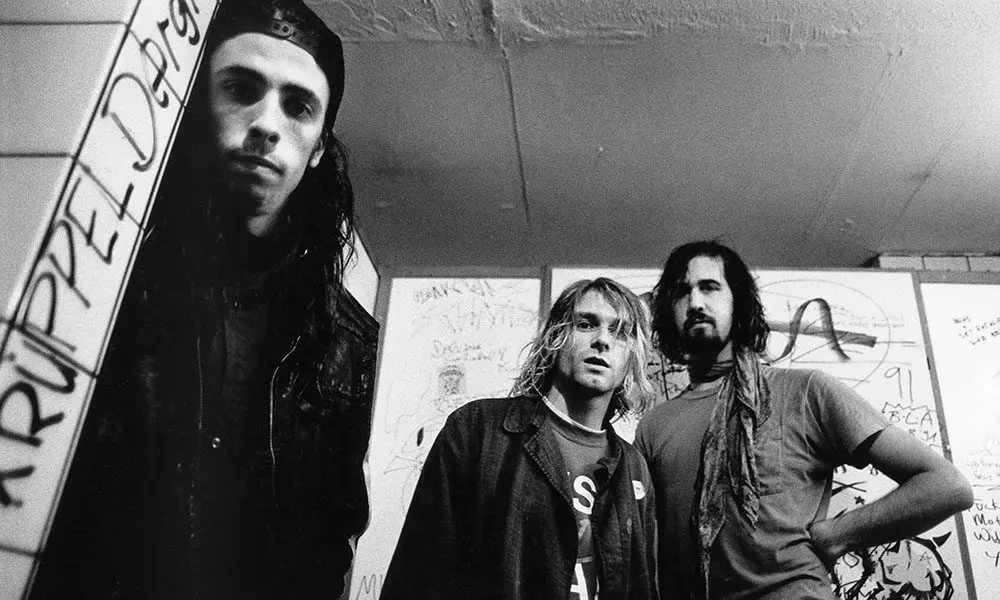
No grunge narrative skips Nirvana, the reluctant kings. Kurt Cobain, with his bleach-blond hair and cardigans, became the era’s tragic poet laureate. His songwriting—raw confessions wrapped in hooks—elevated tracks like “Come As You Are” to anthems of acceptance. Backed by Krist Novoselic’s bass and Dave Grohl’s powerhouse drums, Nirvana’s live shows were chaotic rituals, often ending in smashed instruments.
Pearl Jam offered a more earnest counterpoint. Eddie Vedder’s baritone growl infused songs like “Even Flow” with social commentary, drawing from his surfer roots and Chicago upbringing. Formed from Green River and Mother Love Bone remnants, the band fought industry giants, boycotting Ticketmaster in 1994 over fan exploitation.
Soundgarden, grunge’s elder statesmen, brought technical prowess. Chris Cornell’s soaring vocals on “Black Hole Sun” masked lyrical darkness, while Kim Thayil’s riffs nodded to Led Zeppelin. Alice in Chains delved deeper into despair, with Layne Staley’s harmonies and Jerry Cantrell’s dirges on *Dirt* painting portraits of addiction.
Underdogs like Mudhoney kept the punk spirit alive, their *Every Good Boy Deserves Fudge* (1991) a lo-fi gem. Screaming Trees’ Mark Lanegan provided gravelly introspection, and Hole’s Courtney Love shattered glass ceilings with riot grrrl-infused fury. Supergroups like Temple of the Dog (1991) honored fallen friends, blending Pearl Jam and Soundgarden in tribute to Andrew Wood.
These icons weren’t flawless; heroin shadowed many—Cobain’s struggles, Staley’s isolation. Yet, their vulnerability humanized them, turning flaws into fuel for art that connected profoundly.
Threads of Rebellion: Grunge Fashion and Aesthetics
Grunge fashion wasn’t designed—it evolved from necessity. In Seattle’s chill, flannel shirts from army surplus stores provided warmth, while ripped jeans and Doc Martens suited mosh-pit durability. This thrift-store chic rejected 1980s excess, favoring authenticity over artifice. Long, unkempt hair and unshaven faces symbolized indifference to societal norms, a visual “fuck you” to corporate polish.
Women adapted the look with baby-doll dresses, smeared lipstick, and combat boots, as seen in Love’s “kinderwhore” style. Bands like L7 and Babes in Toyland embodied this, blending femininity with aggression. By 1992, the aesthetic hit runways: Marc Jacobs’ 1993 Perry Ellis collection featured grunge-inspired plaids, earning both acclaim and backlash for commodifying subculture.
Graphic design mirrored the chaos—David Carson’s distressed fonts for *Ray Gun* magazine influenced album covers, like Nirvana’s *Nevermind* baby-in-pool imagery. Photography by Charles Peterson captured sweat-soaked crowds, immortalizing the scene’s energy.
Fashion’s mainstream co-optation irked insiders. Cobain mocked it by wearing dresses onstage, subverting gender roles. Yet, this diffusion spread grunge’s anti-consumer message, ironically fueling thrift culture worldwide.
Cultural Quake: Beyond the Music
Grunge’s seismic waves extended far beyond amplifiers and stages, reshaping the social landscape of the 1990s and echoing into broader cultural dialogues. At its core, the genre voiced the raw cynicism of Generation X, channeling mistrust toward institutions, a push for diversity in an era of shifting norms, and a sharp rebuke of consumer-driven materialism that defined the preceding decade. Lyrics from bands like Nirvana and Alice in Chains delved into personal demons—abuse, clinical depression, and profound alienation—mirroring a societal awakening to mental health crises and the fractures of modern life. This resonance amplified as economic downturns in the Pacific Northwest fueled themes of disenfranchisement, turning private struggles into public anthems that connected with youth sidelined by societal expectations.
Media played a pivotal role in this amplification. MTV’s heavy rotation of grunge videos, from the chaotic energy of “Smells Like Teen Spirit” to the brooding visuals of “Man in the Box,” revolutionized programming, shifting from glam rock excess to gritty realism and influencing a generation’s visual language. Films and television absorbed the aesthetic too—think the slacker ethos in *Reality Bites* or the raw authenticity in *My So-Called Life*, where flannel-clad characters navigated identity and rebellion. Feminism found fertile ground through the intertwined riot grrrl movement; Bikini Kill’s Kathleen Hanna not only fronted fierce critiques of patriarchy but directly inspired Kurt Cobain’s vocal support for pro-choice causes and gender equality, blending punk activism with grunge’s reach. Yet, inclusivity had its blind spots: While the scene embraced some diversity, criticisms of its white male dominance lingered, exemplified by the historical erasure of trailblazers like Tina Bell, whose band Bam Bam pioneered grunge’s sound but received scant recognition in mainstream narratives.
Economically, grunge catalyzed Seattle’s transformation from a fading industrial hub to a vibrant tech-music nexus, drawing investment and talent that foreshadowed the city’s boom with companies like Microsoft and Amazon. Tourism surged as fans flocked to iconic spots like the Crocodile Cafe or the Central Saloon, injecting vitality into local economies. On a global scale, the movement sparked youth rebellions elsewhere—Britain’s Britpop emerged as a polished counterpoint, while Australia’s garage rock scene absorbed grunge’s raw edge, fostering international dialogues on authenticity and counterculture.
Still, the era’s underbelly cast long shadows. Heroin use ravaged the community, leading to overdoses that fueled widespread moral panics and media sensationalism. Cobain’s 1994 suicide not only symbolized the personal costs of fame but ignited urgent discussions on the pressures of celebrity and the need for mental health support in the arts. Grunge, in its unvarnished truth, forced society to confront these darker facets, leaving an indelible mark on how we discuss vulnerability today.
The Fade-Out: Decline and Dissolution
By the mid-1990s, the once-unstoppable grunge machine began to sputter, its foundations eroded by internal fractures and external pressures. Kurt Cobain’s suicide in April 1994 delivered a devastating blow, dissolving Nirvana and symbolizing the genre’s fragility amid skyrocketing fame. Pearl Jam, weary of the spotlight, pulled back from media engagements and tours, prioritizing artistic integrity over commercial demands. Alice in Chains wrestled with Layne Staley’s deepening addiction, which hampered their output, while Soundgarden called it quits in 1997 citing creative differences and exhaustion from the grind.
Overexposure accelerated the slide. Record labels, eager to capitalize, flooded the market with imitators—post-grunge outfits like Bush and Creed smoothed out the edges, turning raw distortion into polished radio fare that diluted the original’s bite. This commodification clashed violently with grunge’s anti-establishment roots; executives pushed for hit singles and marketable personas, eroding the authenticity that defined the scene. Bands like Mudhoney openly scorned the “grunge” label as a exploitative marketing ploy, highlighting how media hype had morphed from celebration to caricature. Broader economic shifts compounded the decline: The rise of digital music and file-sharing platforms fragmented the industry, diminishing rock’s chart dominance as electronic and hip-hop genres gained traction.
Personal tragedies deepened the narrative of loss. Chris Cornell’s 2017 suicide and Staley’s 2002 overdose underscored the lingering toll of substance abuse and mental health struggles that plagued the era. By the late 1990s, grunge had largely receded, supplanted by nu metal’s aggression (think Limp Bizkit) and the pop-punk bounce of acts like Blink-182, marking the end of an era that burned brightly but briefly. What began as a regional roar faded into echoes, leaving behind a cautionary tale of success’s double-edged sword.
Echoes Eternal: The Legacy of Grunge
Even as the 2020s unfold, grunge’s fingerprints remain etched across music, fashion, and cultural consciousness, proving its rebellion was no fleeting fad. The genre democratized rock by valuing raw emotion and lyrical depth over technical flash, paving the way for indie revivals, emo’s introspective surge, and even modern alternative acts that prioritize vulnerability. Survivors like Foo Fighters, born from Dave Grohl’s post-Nirvana vision, continue to channel that energy, while Pearl Jam’s enduring tours—still packing arenas in 2025—keep the flame flickering with socially charged performances. Newer bands, formed in the late 2010s and 2020s, revive the spirit: Groups like Violent Soho, Narrow Head, and Return to Dust blend grunge’s sludge with contemporary twists, earning acclaim for albums that echo the originals’ grit.
Fashion cycles have brought flannel and distressed denim back into vogue, influencing streetwear brands and graphic novels that adopt the era’s DIY aesthetic. Culturally, grunge normalized discussions of mental health, inspiring advocacy movements and destigmatizing vulnerability in a hyper-connected world. Seattle preserves this heritage through institutions like the Museum of Pop Culture (MoPOP), where artifacts from Nirvana’s smashed guitars to Soundgarden’s stage gear offer tangible connections to the past. In an era dominated by polished social media and algorithm-driven tunes, grunge stands as a reminder of raw, unfiltered power—a sludgy, defiant roar that urges us to embrace imperfection amid conformity’s gloss.