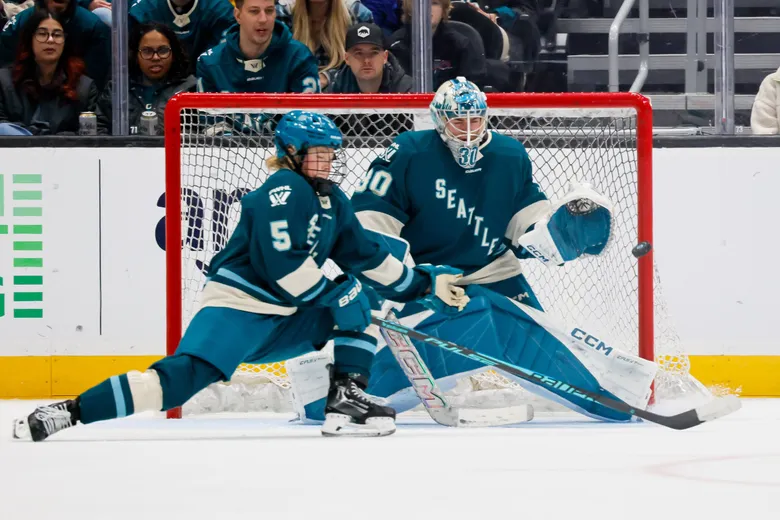
The Pacific Northwest has long been a stronghold for winter sports enthusiasm, from the region’s passion for skiing and snowboarding to its fervent support of NHL hockey. Yet for decades, women’s professional hockey struggled to gain a foothold in this sports-hungry market. That narrative shifted dramatically with the arrival of the Seattle Torrent, a franchise that has redefined what women’s professional hockey can be in North America.
The Birth of a Franchise
When the Professional Women’s Hockey League announced its expansion plans in 2024, Seattle emerged as a natural choice. The city had already proven its appetite for professional hockey with the NHL’s Seattle Kraken, whose inaugural season drew sellout crowds and ignited hockey fever across the region. The question wasn’t whether Seattle could support women’s hockey—it was whether the league was ready to meet Seattle’s expectations.
The Torrent’s ownership group understood from day one that this franchise needed to be more than just another expansion team. Led by a consortium of local business leaders and former professional athletes, the organization committed to building something sustainable, something that would honor both the city’s progressive values and its competitive spirit. They hired experienced front office personnel from across the hockey world, blending NHL expertise with insights from international women’s hockey programs.
The name “Torrent” itself speaks to the region’s character. It evokes the powerful waters that define the Pacific Northwest—the cascading rivers, the relentless Pacific storms, the unstoppable force of nature that shapes the landscape. It’s a name that suggests both fluidity and power, grace and determination. The team’s teal, deep blue, and silver color scheme mirrors the waters of Puget Sound, creating an immediate visual connection to Seattle’s maritime identity.
Building a Competitive Roster
General Manager Patricia Chen approached roster construction with a clear philosophy: speed, skill, and hockey IQ would trump size and physicality. This wasn’t just tactical thinking—it was recognition that women’s hockey at its highest level showcases a different style of play than what many casual fans expect. The Torrent’s game would be built on quick transitions, intelligent positioning, and relentless pressure.
The franchise’s first major signing sent shockwaves through the league. Canadian forward Sarah Nakamura, a two-time Olympic gold medalist and former NCAA champion, chose Seattle over several other suitors. Her decision validated the organization’s approach and signaled to other elite players that the Torrent was serious about winning. Nakamura brought not just her considerable skills but also her experience competing at the highest international levels.
The defensive core took shape around American blueliner Alex Morrison, whose shutdown capabilities and offensive instincts made her one of the most complete defenders in women’s hockey. Morrison had spent four years playing in Sweden’s top women’s league, where she developed a European-influenced style that emphasized puck possession and calculated risk-taking. Her partnership with Finnish defender Sanna Virtanen created a top pairing that could match up against any opponent’s best forwards.
Between the pipes, the Torrent secured the services of Czech netminder Petra Novotná, whose acrobatic style and competitive fire had made her a star in European leagues. Novotná’s journey to Seattle reflected the increasingly global nature of women’s professional hockey. She had honed her craft in the Czech Republic before starring in the Swedish league, and her international experience brought a different perspective to the North American game.
The Home Ice Advantage
The Torrent plays its home games at the newly renovated Northgate Arena, a 7,500-seat facility that strikes the perfect balance between intimacy and atmosphere. The venue underwent significant upgrades to accommodate a professional franchise, including enhanced lighting systems for broadcasts, improved player facilities, and updated concourses that create an premium fan experience without the corporate sterility that can plague modern sports venues.
What makes Northgate Arena special isn’t just the physical plant—it’s the atmosphere the fans create. From the opening faceoff of the inaugural season, Torrent supporters established themselves as among the most passionate in women’s hockey. The “Surge,” as the supporter section calls itself, occupies the lower bowl behind the visiting team’s net for two periods, creating a wall of noise and visual spectacle with coordinated flag displays and original chants.
The game presentation team learned quickly that Seattle fans wanted authenticity, not gimmicks. While many professional sports teams rely heavily on manufactured entertainment and constant noise, the Torrent’s approach respects the flow of the game. The arena sound system amplifies the natural sounds of hockey—the crack of sticks, the crash of bodies against boards, the scrape of skates on ice. Musical selections lean toward the Pacific Northwest’s rich indie and alternative rock heritage, creating a soundtrack that feels genuinely local rather than generic.
Playing Style and Tactical Innovation
Head coach Jennifer Larsson brought a wealth of international experience to the Torrent bench. The Swedish-born coach had led her national team to World Championship medals and coached professionally in both Europe and North America. Her tactical approach emphasizes what she calls “controlled chaos”—a system that encourages creativity within structure, allowing skilled players to make plays while maintaining defensive responsibility.
The Torrent’s offensive zone strategy revolves around constant motion and position rotation. Rather than establishing rigid positions, forwards interchange freely, creating mismatches and confusion for opposing defenders. This requires exceptional hockey sense and communication, but when executed properly, it’s nearly impossible to defend. The system particularly suits players like Nakamura, whose vision and passing ability unlock opportunities for teammates.
Defensively, the Torrent employs an aggressive forecheck that aims to create turnovers in the neutral zone and offensive end. This high-risk, high-reward approach leads to spectacular plays at both ends of the ice. When the forecheck works, it generates odd-man rushes and sustained offensive zone time. When it fails, it requires the defensive corps and goaltending to be sharp. The style makes for entertaining hockey and keeps fans engaged for all 60 minutes.
Special teams have become a Torrent hallmark. The power play operates with a creative, unpredictable structure that makes heavy use of cross-ice passes and quick puck movement. Rather than establishing a simple umbrella formation, the Torrent’s power play keeps penalty killers guessing with constant formation changes and player movement. The penalty kill, meanwhile, is aggressive, looking to create shorthanded chances rather than simply defending.
Community Integration and Social Impact
The Torrent organization recognized from the outset that success would be measured not just in wins and losses but in community impact. The franchise launched an ambitious youth hockey initiative that provides equipment, ice time, and instruction to underserved communities across the Seattle metropolitan area. The program specifically targets girls and young women who might not otherwise have access to organized hockey, addressing one of the sport’s persistent challenges.
Every Torrent player commits time to community programs, but it goes beyond obligatory appearances. Captain Sarah Nakamura has become a fixture at youth hockey clinics across the region, working directly with young players on skill development. Her presence sends a powerful message: elite women athletes are accessible, invested in the next generation, and committed to growing the game.
The franchise has also positioned itself as a leader on LGBTQ+ inclusion in professional sports. Several Torrent players have been open about their identities, and the organization has created an environment where athletes can be their authentic selves. This isn’t just window dressing—it’s embedded in the culture. The team hosts annual Pride Night games that celebrate diversity while raising funds for LGBTQ+ youth organizations. In a league and sport still working through these issues, the Torrent’s approach has been both progressive and pragmatic.
Environmental sustainability represents another core organizational value. The team has partnered with local environmental organizations to minimize its carbon footprint, from sustainable merchandise to arena operations. Players participate in beach and waterway cleanups, and the franchise has committed to carbon neutrality by 2027. For a team named after rushing water in a region defined by environmental consciousness, these commitments feel essential rather than performative.
Media Coverage and Broadcasting
The Torrent’s media strategy reflects changing consumption patterns in sports viewership. While traditional local television coverage remains important, the franchise has invested heavily in digital streaming and social media content. Every home game streams live with professional production values, featuring experienced play-by-play announcers and former players providing analysis.
What sets the Torrent’s broadcast approach apart is the emphasis on education alongside entertainment. Announcers explain tactical nuances without condescension, helping casual fans understand the strategic elements that make hockey compelling. Between-period segments often feature players and coaches breaking down key plays or explaining systems, demystifying the sport for viewers new to women’s hockey.
The team’s social media presence has garnered national attention for its creativity and authenticity. Rather than relying solely on highlights and promotional content, the Torrent’s digital team produces behind-the-scenes content that humanizes players and provides genuine access. Mic’d up practices, players reacting to their own highlights, and candid locker room moments have helped build a devoted online following that extends well beyond the Pacific Northwest.
Local sports media initially approached women’s hockey coverage cautiously, but the Torrent’s on-ice success and cultural impact have earned increasingly prominent coverage. Major newspapers now assign dedicated beat writers to the team, and sports talk radio regularly discusses Torrent games alongside the region’s other professional franchises. This mainstreaming of coverage represents significant progress for women’s hockey visibility.
Economic Model and Sustainability
Professional women’s hockey faces ongoing challenges regarding financial sustainability. The Torrent’s business model attempts to address these realities while building toward long-term viability. Ticket prices remain accessible, with season tickets starting at prices lower than single-game tickets for many men’s professional sporting events. This pricing strategy prioritizes building a fan base over short-term revenue maximization.
Corporate partnerships have been crucial to the franchise’s financial foundation. Local and national brands have recognized the marketing value of associating with the Torrent, particularly among younger and more progressive demographics. Sponsorship packages emphasize authentic integration rather than simple logo placement, with partners participating in community initiatives and supporting the team’s social impact programs.
Merchandise sales have exceeded initial projections, with jerseys and apparel becoming visible throughout Seattle. The Torrent’s visual identity translates well to fashion-forward designs that appeal beyond traditional sports fans. Limited-edition releases and collaborations with local artists have created additional revenue streams while strengthening the team’s cultural relevance.
The franchise operates with financial discipline, understanding that women’s hockey still requires patience and long-term thinking from investors. Salaries, while competitive within the league, remain modest compared to men’s professional sports. Players supplement their hockey income with endorsements, coaching, and other opportunities. The league’s collective bargaining agreement ensures players receive health insurance and retirement benefits, important protections for athletes who may have limited earning windows.
Rivalries and League Context
The Torrent entered a league with established franchises and existing rivalries, but Seattle fans quickly developed their own animosities. The rivalry with the Minnesota Frost emerged naturally, two franchises representing hockey hotbeds competing for supremacy. Games between these teams feature intense, physical play and passionate fan bases creating electric atmospheres.
The matchups with Toronto have taken on added significance as the league’s two newest expansion franchises vie to establish themselves. These games showcase different approaches to building a franchise—Toronto’s emphasis on veteran leadership versus Seattle’s blend of youth and experience. The on-ice product has been consistently entertaining, with several games decided in overtime or shootouts.
Travel presents unique challenges in a league spanning North America. The Torrent’s West Coast location means lengthy road trips, but the organization has worked to make these trips less taxing. Chartered flights, quality accommodations, and careful scheduling help players manage the rigors of professional hockey while maintaining performance levels.
Looking Forward
The Torrent’s inaugural season exceeded expectations both on and off the ice. A playoff appearance in year one validated the roster construction and tactical approach, while attendance figures and community engagement demonstrated the franchise’s cultural impact. The foundation appears solid, but maintaining momentum requires continued investment and evolution.
Upcoming challenges include roster retention as players attract interest from international leagues and potential expansion franchises. The Torrent’s front office knows that success brings competition for talent, and maintaining a competitive roster while operating within salary cap constraints will test management’s creativity. Player development systems will become increasingly important as the franchise looks to build sustainable success.
The team’s second season brings heightened expectations. Fans want playoff success, not just appearances. Players who experienced the inaugural season’s energy and challenges return with added experience and hunger. The coaching staff has had time to refine systems and address weaknesses identified during year one. The organization faces the classic challenge of building on early success without losing the elements that made it possible.
The Torrent represents something larger than one franchise or one season. It’s evidence that women’s professional hockey can thrive when organizations invest properly in facilities, personnel, and community building. It demonstrates that fans will support elite women athletes when given authentic, high-quality products. It shows that progressive values and competitive excellence can coexist and even reinforce each other.
Seattle has embraced the Torrent because the franchise reflects the city’s values and aspirations. The team plays an exciting brand of hockey that respects fans’ intelligence. The organization engages meaningfully with community needs rather than treating social responsibility as marketing. The players carry themselves as professionals while remaining accessible and genuine. This alignment of identity between franchise and city creates a foundation for lasting success.
Women’s professional hockey still faces obstacles in North America. Media coverage remains inconsistent, and financial models require continued refinement. But franchises like the Seattle Torrent prove that the sport has a viable future. The enthusiasm in Northgate Arena, the young girls wearing Torrent jerseys, and the growing mainstream coverage all suggest that women’s hockey is not just surviving but beginning to thrive.
The Torrent’s story is still being written. Championships may come, records may fall, and individual players will create memorable moments. But the franchise has already achieved something significant: it has made women’s professional hockey matter in Seattle, integrating itself into the city’s sports culture and proving that given the right conditions, the sport can flourish. The torrent, once started, is difficult to stop.