

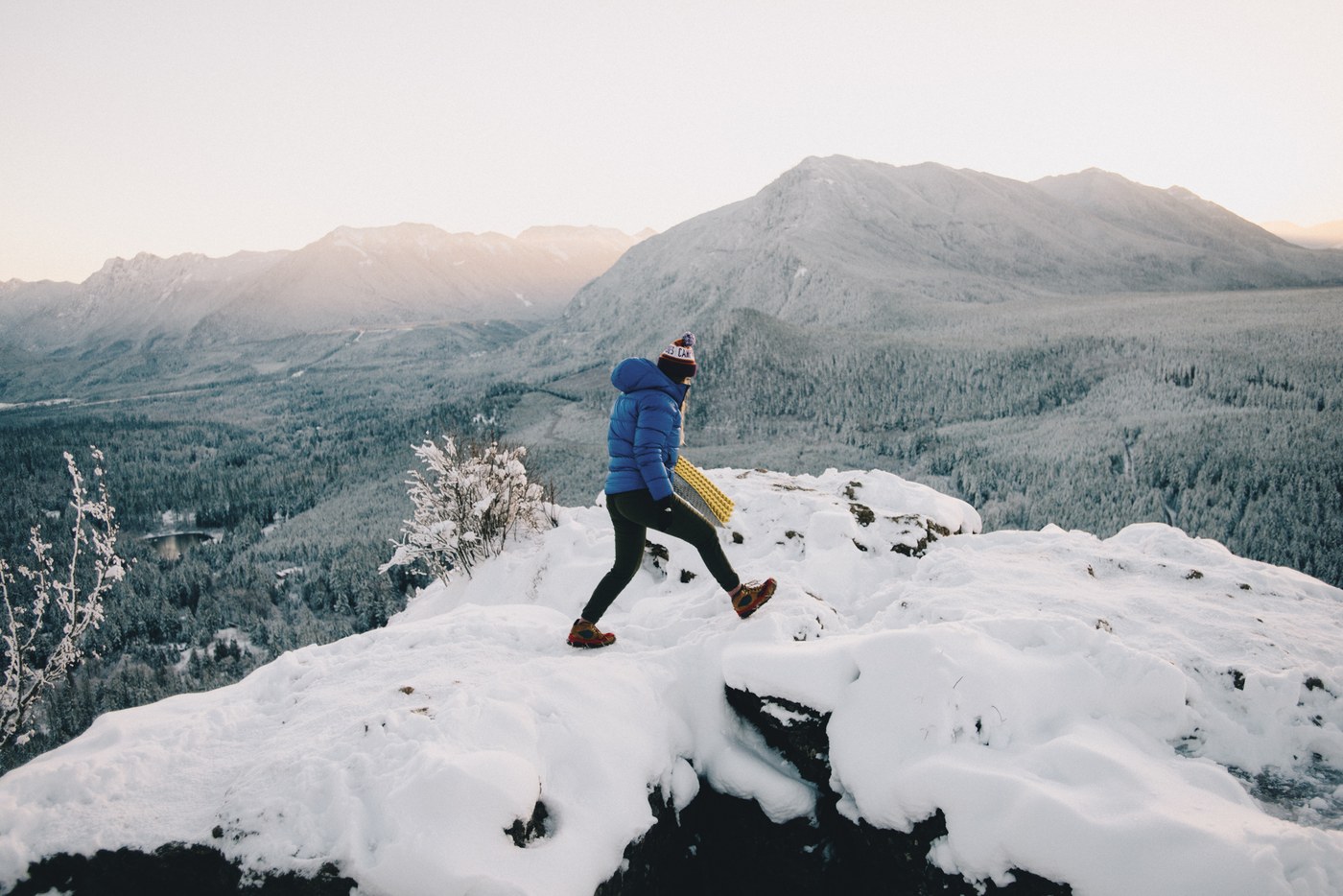
The Pacific Northwest has a well-earned reputation for rain. Gray skies, persistent drizzle, and a kind of damp cold that settles into your bones — this is the Seattle winter that most people know, and it’s the reason a lot of hikers hang up their boots between November and March. But here’s the thing: winter is arguably the most rewarding season to hike near Seattle, and the people who skip it are missing something extraordinary.
The crowds vanish. The forests take on an eerie, cathedral-like stillness. Waterfalls swell to their most dramatic volumes. And on those crystalline days when a high-pressure system parks itself over the Cascades, the snow-draped peaks glow against skies so blue they almost look artificial. Winter hiking near Seattle isn’t about enduring discomfort — it’s about accessing a version of the landscape that the fair-weather crowd never sees.
This is your comprehensive guide to making it happen safely, enjoyably, and memorably.
Why Winter Hiking in the Seattle Area Deserves More Respect
There’s a cultural assumption baked into Pacific Northwest outdoor life that hiking season runs from roughly June through October. The rest of the year? That’s for indoor climbing gyms and Netflix. But this thinking ignores the fact that Seattle sits at the intersection of several dramatically different ecosystems, and many of them are not only accessible in winter — they’re at their absolute best.
The lowland forests west of the Cascades rarely see sustained snowfall below 2,000 feet. Temperatures hover in the mid-30s to mid-40s Fahrenheit for most of the winter, which is cold enough to keep you alert but nowhere near the bone-cracking frigidity of the Midwest or Northeast. The trails in these zones are open year-round, and the dense canopy of Douglas fir, western red cedar, and hemlock acts as a natural umbrella, keeping the worst of the rain off your shoulders.
Then there’s the snow zone. Once you climb above 3,000 feet, winter transforms the Cascades into a frozen wilderness that rivals anything in the Rockies. Snowshoeing and winter mountaineering open up an entirely different catalog of adventures, from mellow meadow rambles to challenging summit pushes.
The point is this: winter near Seattle offers variety that most regions simply can’t match. You can hike through an old-growth rainforest in the morning and be strapping on snowshoes by early afternoon. Few places on Earth give you that range within an hour’s drive.
The Best Lowland Winter Hikes Near Seattle
When the snow level drops and the mountain passes get dicey, Seattle’s lowland trails become the go-to option. These hikes sit below 2,500 feet, require no special gear beyond standard rain layers, and deliver scenery that more than compensates for the lack of alpine grandeur.
Tiger Mountain Trail System
Located just 30 minutes east of downtown Seattle off I-90, Tiger Mountain is the city’s backyard hiking playground. The trail network here is extensive, well-maintained, and forested enough that even a steady rain feels manageable. The most popular route, the Tiger Mountain Trail to Poo Poo Point, gains about 1,750 feet over roughly 3.5 miles and rewards you with sweeping views of the Issaquah Alps and, on clear days, Mount Rainier floating above the southern horizon like a ghost.
In winter, the paraglider launch site at the top is usually deserted, which means you get the viewpoint entirely to yourself. The trail can be muddy — proper waterproof boots are non-negotiable — but the footing is generally solid. An early morning start on a weekday will often give you the whole mountain in near-solitude.
Rattlesnake Ledge
This is one of the most hiked trails in Washington State, and for good reason. The 4-mile round trip to the ledge is steep but short, gaining about 1,160 feet before depositing you on a dramatic rock outcrop overlooking Rattlesnake Lake and the Cedar River Watershed. In summer, the trail is a zoo. In winter, the crowd thins dramatically, and the lake below often takes on a moody, slate-colored beauty that’s far more compelling than its summer turquoise.
One word of caution: the upper sections of the trail can ice over after a cold snap. Microspikes are lightweight, inexpensive, and can turn a sketchy descent into a confident one. Throw a pair in your pack any time you’re hiking above 1,000 feet between December and February.
Wallace Falls State Park
An hour northeast of Seattle near the town of Gold Bar, Wallace Falls is a waterfall lover’s dream in winter. The falls cascade nearly 265 feet in a series of tiers, and the volume of water during the rainy season is staggering. The trail to the lower and middle falls is about 5.5 miles round trip with moderate elevation gain, winding through gorgeous second-growth forest thick with moss and ferns.
This hike is a masterclass in why winter hiking can surpass the summer experience. The falls are two to three times their summer volume, the forest is luminously green, and the misty spray from the cascades fills the air with the kind of charged, electric freshness that makes you feel genuinely alive. The parking lot requires a Discover Pass, and the trail can be slippery near the falls, so trekking poles are a smart addition.
Little Si
If you want the views without the commitment, Little Si delivers an efficient workout with a surprisingly satisfying payoff. The 4.7-mile round trip trail sits in the shadow of its bigger sibling, Mount Si, and tops out at a rocky scramble with panoramic views of the Snoqualmie Valley. The elevation gain is modest — around 1,200 feet — and the trail stays low enough that snow is rare. It’s an ideal pick for short winter days when you want to be back at the trailhead before dark.
Snowshoe Adventures in the Cascades
Once you leave the lowlands behind, winter hiking near Seattle enters an entirely different dimension. The Central Cascades receive some of the heaviest snowfall in the continental United States, with annual totals regularly exceeding 400 inches at pass level. This deep snowpack creates prime conditions for snowshoeing, and several easily accessible trailheads put you into the winter backcountry within an hour and a half of the city.
Snoqualmie Pass Corridor
The Snoqualmie Pass area along I-90 is the most convenient gateway to snow country for Seattle hikers. The Summit at Snoqualmie ski area sits right at the pass, and several excellent snowshoe routes begin within walking distance of the parking lots.
The most popular option is the trail to Snow Lake, which in summer is one of the most heavily trafficked hikes in the Alpine Lakes Wilderness. In winter, the 7-mile round trip becomes a legitimate backcountry snowshoe adventure. The trail is usually broken by previous travelers, but route-finding skills and avalanche awareness are essential. Snow Lake itself freezes over by mid-January most years, and arriving at the frozen, snow-rimmed basin surrounded by jagged peaks is the kind of experience that fundamentally changes how you think about winter.
For something mellower, the Gold Creek Pond snowshoe loop is a flat, family-friendly 1-mile circuit through snow-laden forest. The pond freezes early in the season, and the surrounding peaks create a natural amphitheater that feels far more remote than its proximity to the interstate would suggest.
Stevens Pass and the Highway 2 Corridor
The Highway 2 corridor north of Seattle offers a different character of winter landscape than the Snoqualmie area. The terrain is steeper, the valleys narrower, and the forests denser. The snowshoe routes here tend to feel wilder and more isolated.
The Lanham Lake trail near Stevens Pass is a standout — a 6-mile round trip through old-growth forest to a frozen subalpine lake. The trail winds through massive trees draped in snow, crossing small creeks that gurgle beneath ice bridges. It’s quiet in a way that feels almost spiritual, and the solitude is essentially guaranteed on weekdays.
Further west along Highway 2, the Lake Serene trailhead offers winter access to one of the most dramatic settings in the Cascades. The summer trail climbs steeply through switchbacks to a lake nestled beneath the sheer granite face of Mount Index. In winter, the upper portions require snowshoes and solid route-finding ability, but the payoff — a frozen alpine lake surrounded by icy cliffs — is worth every ounce of effort.
Mount Rainier National Park
Rainier in winter is a world unto itself. The Paradise area on the mountain’s south side routinely receives 600+ inches of snow per season, and the snowshoeing there is otherworldly. The road to Paradise typically stays open on weekends and holidays through the winter, though chains are often required and conditions can change rapidly.
Once you’re up there, the options range from gentle ranger-led snowshoe walks to ambitious backcountry routes toward Camp Muir at 10,000 feet. The guided programs are excellent for beginners and run on weekends throughout the winter season. Even a short walk from the Paradise parking lot puts you in a landscape of such scale and beauty that it borders on the surreal — massive snow formations, wind-sculpted ice, and the incomprehensible bulk of the mountain rising above you.
Essential Gear for Winter Hiking Near Seattle
The Pacific Northwest winter presents a specific set of challenges that differ from colder, drier mountain regions. The primary enemy isn’t extreme cold — it’s moisture. The wet cold of a 38-degree rainy day can sap your body heat faster than a dry 15-degree day if you’re not dressed correctly.
The Layering System
Forget cotton entirely. A proper winter hiking layering system starts with a moisture-wicking synthetic or merino wool base layer against your skin. Over that, an insulating mid-layer — fleece or synthetic puffy — traps body heat. The outer shell is critical: you need a waterproof, breathable jacket and pants that can handle sustained rain without wetting through. Gore-Tex or equivalent membranes are the gold standard.
The key skill is managing your layers actively. You’ll warm up quickly on the ascent and should shed layers before you start sweating. At rest stops and summits, add insulation immediately before the chill sets in. Carrying a lightweight puffy jacket specifically for stops is one of the smartest moves you can make.
Footwear
Waterproof hiking boots are essential, full stop. Your feet will encounter mud, standing water, stream crossings, and slushy snow, often on the same hike. Gaiters add another layer of protection and keep debris out of your boots. For snowshoe trips, insulated winter boots with waterproof linings are the move — cold, wet feet can end a trip faster than anything else.
The Ten Essentials, Winter Edition
The classic Ten Essentials list takes on heightened importance in winter. Days are short — Seattle gets fewer than nine hours of daylight in December — so a headlamp with fresh batteries is mandatory, not optional. Navigation tools matter more when familiar landmarks are buried under snow. Extra food and an emergency bivy or space blanket could save your life if you get injured or lost with darkness closing in at 4:30 PM.
Add to the standard list: microspikes for icy trails, a thermos with a hot drink for morale and warmth, and hand warmers for particularly frigid days. Trekking poles with snow baskets improve stability on uneven winter terrain dramatically.
Safety Considerations That Matter
Winter hiking near Seattle is broadly safe, but it demands more respect and preparation than summer outings. The margin for error shrinks when the days are short, the weather is volatile, and help may be hours away.
Avalanche Awareness
This is the single most important safety topic for anyone venturing into the snow zone. The Cascades are notorious for avalanche activity, and the maritime snowpack — heavy, wet, and variable — creates conditions that can change rapidly. Before any snowshoe trip above the valley floor, check the Northwest Avalanche Center forecast at nwac.us. Take an avalanche safety course if you plan to make winter backcountry travel a regular activity. Carry a beacon, probe, and shovel on any trip into avalanche terrain, and know how to use them.
The sobering reality is that avalanches kill people in the Cascades every year, and many of those victims are experienced backcountry users who made a single bad decision. Respect the snowpack. If conditions feel wrong, turn around.
Daylight Management
With sunset arriving before 4:30 PM in December and January, time management on winter hikes is critical. Start early — headlamps at the trailhead for a pre-dawn departure are common among experienced winter hikers. Set a turnaround time and stick to it. Descending an icy trail in the dark is exponentially more dangerous than doing so in daylight, and it’s easy to lose track of time when you’re enjoying the scenery.
Weather Monitoring
Pacific Northwest weather systems can roll in with startling speed. A clear morning can deteriorate into driving rain and near-zero visibility by early afternoon. Check the forecast obsessively before heading out, and monitor conditions throughout the day. If clouds start building or the wind picks up significantly, take it as a signal to start heading back.
Trail Conditions and Communication
Many winter trailheads in the Cascades require a Sno-Park permit when the snow level is low enough. Check road conditions with WSDOT before driving to mountain trailheads — closures for avalanche control or snow removal are common on the major passes. Cell service is unreliable to nonexistent in most mountain areas, so tell someone your itinerary and expected return time before every trip. A personal locator beacon or satellite communicator like a Garmin inReach is cheap insurance for backcountry travel.
The Mental Case for Winter Hiking
Beyond the physical benefits — and winter hiking is a phenomenal workout — there’s a powerful psychological argument for getting outside during the darkest months. Seasonal affective disorder affects a significant percentage of Seattle residents, and the combination of short days, gray skies, and indoor confinement can grind down even the most resilient psyches.
Winter hiking breaks that cycle. Exposure to natural light, even on overcast days, helps regulate circadian rhythms and boost serotonin production. Physical exertion in cold air triggers endorphin release that lingers for hours after you return to the car. And there’s something deeply restorative about standing in a quiet, snow-covered forest, far from screens and obligations, watching your breath crystallize in the still air.
The Japanese have a concept called “shinrin-yoku” — forest bathing — which refers to the measurable health benefits of simply being present in a forest environment. In winter, when the sensory distractions of birdsong and wildflowers are stripped away, the forest becomes even more meditative. The quiet is profound. The air smells of wet earth and evergreen resin. The world narrows to the rhythm of your footsteps and the sound of your breathing. It’s therapy that doesn’t require an appointment.
A Final Word on Getting Started
If you’ve never hiked in winter before, the barrier to entry is lower than you think. You don’t need to invest in a full backcountry kit right away. Start with a lowland trail — Tiger Mountain, Rattlesnake Ledge, or Wallace Falls — on a day when the forecast looks manageable. Wear waterproof layers, bring a headlamp and extra food, and give yourself plenty of time.
You’ll probably get a little wet. Your boots will definitely get muddy. And at some point on the trail, when the forest canopy is dripping and the clouds are threading through the treetops like smoke, you’ll understand why some of us consider this the best hiking season of the year.
Seattle’s winter landscape is not a lesser version of its summer self. It’s a different place entirely — quieter, wilder, more honest. The mountains don’t perform for you in winter. They simply exist, massive and indifferent, and that indifference is part of what makes the experience so compelling. You earn every view, every frozen waterfall, every moment of clarity on a ridge above the clouds.
The trails are waiting. They’re emptier than you think, and more beautiful than you remember. All you have to do is lace up your boots, step outside, and go.