Seattle’s Chinatown-International District (CID) stands as one of the city’s most vibrant neighborhoods, a layered tapestry of cultures where Chinese, Japanese, Vietnamese, Filipino, and other Asian influences converge in a compact grid of streets south of downtown. This historic enclave, often simply called the ID, has endured waves of immigration, anti-Asian sentiment, urban redevelopment threats, and the challenges of the pandemic, yet it remains a powerhouse of authentic cuisine. The food here isn’t watered-down fusion or trendy pop-ups—it’s the real deal: family-run spots serving recipes passed down through generations, hole-in-the-wall gems dishing out soul-warming noodles, and bustling markets overflowing with exotic produce.
The CID’s food scene reflects its complex history. Chinese laborers arrived in the late 19th century to build railroads and work in canneries, establishing the original Chinatown. Japanese immigrants followed, creating a thriving Japantown before World War II internment scattered families. Post-war, Vietnamese refugees brought Little Saigon to life in the 1970s and 1980s. Filipinos, Koreans, and Cambodians added their threads later. Today, the neighborhood pulses with resilience, from the neon-dragon gate on South King Street to the quiet teahouse in the historic Panama Hotel.
This self-guided food tour weaves through the district over a full day, starting in the morning and winding into the evening. Walkable and accessible via light rail at International District/Chinatown station, the route prioritizes variety while highlighting institutions that have defined the area for decades. Expect bold flavors, generous portions, and stories embedded in every bite.
Morning Awakening: Pastries and Coffee in Historic Corners
Begin at the eastern edge of the district, where the aroma of fresh-baked goods pulls you into Fuji Bakery on South Jackson Street. This Japanese-French hybrid spot blends delicate patisserie techniques with Asian ingredients. The croissants flake apart in buttery layers, but the standout is the matcha croissant—vibrant green, subtly bitter, filled with smooth custard that balances sweetness perfectly. Pair it with a black sesame latte, nutty and frothy, for a gentle caffeine kick.
A short stroll away, Yummy House Bakery offers classic Chinese pastries. The egg tarts emerge golden and wobbly, with custard that melts on the tongue and a crust that’s shatteringly crisp. Grab a pineapple bun (bo lo bao), its sugary topping cracking to reveal soft, milky bread beneath. These bakeries anchor the morning ritual for many locals, who queue early for warm trays straight from the oven.
For something savory, duck into Eastern Cafe, a no-frills spot known for congee. The rice porridge arrives steaming, silky from hours of slow simmering, topped with century egg, pork floss, or youtiao (fried dough sticks) for crunch. It’s comfort food at its purest, especially on drizzly Seattle mornings.
Dim Sum Ritual: Bamboo Steamers and Rolling Carts
By mid-morning, the dim sum halls come alive. Jade Garden on South King Street remains a cornerstone, its spacious dining room filled with the clatter of carts and rapid-fire Cantonese chatter. Servers push trolleys laden with bamboo steamers, pointing and nodding as you select.
The har gow (shrimp dumplings) shine here—translucent wrappers encasing plump, bouncy shrimp with a hint of bamboo shoot. Shu mai follow, pork and shrimp dumplings crowned with orange roe, juicy and flavorful. Don’t miss the turnip cake, pan-fried daikon radish patties with crisp edges and soft interiors studded with dried shrimp and sausage. For adventure, try the chicken feet: braised until tender, skin gelatinous and sauced in black bean.
Nearby, Dough Zone Dumpling House offers a modern twist on the tradition. Order from the menu rather than carts, ensuring everything arrives piping hot. The qunzhong shao mai—open-topped pork dumplings—are massive and succulent. Pan-fried bao burst with soup inside; bite carefully to avoid the scalding broth. The green onion pancakes provide crispy, flaky contrast.
Dim sum in the CID traces back to early 20th-century teahouses where workers gathered. Places like Jade Garden preserve that communal spirit, even as newer spots adapt for efficiency.
Cantonese Classics: BBQ Masters and Wok-Hei Wonders
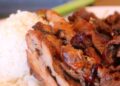
No visit feels complete without Cantonese barbecue. Kau Kau Barbecue, a fixture since 1967, hangs glistening ducks and pork in the window, drawing crowds with its smoky allure. The char siu (barbecue pork) glistens red, caramelized edges giving way to tender, fatty meat laced with five-spice. Order it over rice with crackling skin chicharron-like crispness from roast pork.
Inside, the counter service moves fast—point at what you want, and it arrives on a metal tray. Crispy pork belly layers fat and meat in perfect harmony, while soy sauce chicken falls off the bone.
For sit-down elegance, head to A+ Hong Kong Kitchen. The honey walnut shrimp coats prawns in creamy mayo sauce with candied walnuts for crunch. Salt-and-pepper squid fries to golden perfection, seasoned aggressively with garlic and chilies. The beef chow fun achieves true wok-hei—that elusive smoky essence from high-heat cooking—with wide rice noodles slicked in dark soy and tender beef slices.
Tai Tung, Seattle’s oldest Chinese restaurant (opened 1935), served Bruce Lee his favorites. The menu leans American-Chinese: sweet-and-sour pork, almond chicken, but executed with care. The chow mein features hand-pulled noodles, a rarity now.
These spots represent the mid-century wave when Chinese restaurants adapted for broader appeal while retaining core techniques.
Little Saigon: Pho, Banh Mi, and Southeast Asian Depth
Cross into Little Saigon along South Jackson, where Vietnamese flags fly and noodle shops dominate. Pho Bac Sup Shop, birthplace of Seattle’s pho obsession, serves the original recipe from 1982. The beef pho brims with star anise-scented broth, simmered for days until deeply flavorful. Rare steak cooks in the hot liquid, remaining pink and tender. Add basil, bean sprouts, lime, and hoisin to taste.
For oxtail pho, The Boat (Dong Thap Noodles nearby offers similar) delivers rich, gelatinous meat that melts into the broth. The portions are enormous—perfect for sharing.
Banh mi shines at Saigon Vietnam Deli, a tiny counter spot. The grilled pork version layers marinated meat, pickled carrots, daikon, cilantro, and jalapeños on crackly baguette. The bread, baked fresh, shatters on first bite. Add a Vietnamese iced coffee—strong drip over condensed milk—for a sweet buzz.
Tamarind Tree elevates Vietnamese cuisine in a sleek space. The seven courses of beef feature multiple preparations: grilled, wrapped in betel leaf, in salad. Fresh spring rolls burst with herbs and shrimp. The crepe (banh xeo) crisps around turmeric-tinted batter filled with pork and sprouts.
Little Saigon grew from refugee communities post-Vietnam War, bringing bright, herbaceous flavors that contrast Cantonese richness.
Japanese Legacy: From Historic Sushi to Hidden Izakaya
The Japanese influence in the CID runs deep, rooted in the early 20th-century Japantown that once thrived here before the devastation of World War II internment. Maneki endures as Seattle’s oldest Japanese restaurant, opened in 1904 and still family-run. Its unassuming entrance on Sixth Avenue South hides a warm interior with wooden booths and private tatami rooms where groups kneel around low tables for an immersive experience. Sit at the sushi bar to observe the precise knife work of chefs slicing pristine fish.
The menu emphasizes classics executed with care: nigiri features silky salmon belly or buttery tuna, while seasonal uni delivers creamy, oceanic sweetness when available. Agedashi tofu comes in a delicate dashi broth, its golden crust yielding to silky interior dotted with grated daikon and ginger. The black cod kasuzuke, marinated in fermented sake lees, offers flaky flesh with a caramelized, mildly boozy glaze that pairs beautifully with steamed rice.
For a contemporary take, Onibaba—opened by the family behind the now-closed Tsukushinbo—provides intimate dining in a cozy space. The focus shifts to creative small plates, delicate sashimi, and house specialties like onigiri or simmered nimono dishes that highlight seasonal ingredients.
Fort St. George, a quirky izakaya-style pub, channels old-school Tokyo vibes with its dimly lit room adorned in vintage posters. Yakitori skewers grill over charcoal for smoky char—try the chicken skin or tsukune meatballs—washed down with Sapporo on tap or sake bombs. It’s a casual spot for lingering over shared plates.
Maneki’s longevity, surviving internment-era forced closure and reopening postwar, stands as a testament to Japanese American resilience in the neighborhood.
Filipino Sweet Spot: Ube Everything
Filipino flavors shine brightly in the CID, with Hood Famous Bakeshop leading the charge on vibrant purple yam desserts. Owners Chera and Geo Amlag transformed a passion for ube into a bustling cafe and bar, where the signature ube cheesecake reigns supreme: a creamy, dense filling infused with nutty, vanilla-like ube atop a graham crust, topped with ube crumble for textural contrast.
The ube crinkle cookies deliver chewy centers and crackled exteriors dusted in powdered sugar, while ube brownies or flan offer richer variations. Traditional breads like soft pandesal rolls—best slathered with butter—or fluffy ensaymada swirled with cheese and sugar evoke home-style breakfasts.
Nearby, spots like Kilig serve savory counterparts: crispy lumpia filled with pork and vegetables, or chicken adobo simmered in soy-vinegar sauce until tender and tangy. The cafe’s bright, welcoming space, often filled with Filipino music and community events, provides a lively counterpoint to the district’s more intense meals.
Market Immersion: Uwajimaya and Beyond
Uwajimaya anchors the district as a sprawling Asian superstore, its vast aisles a sensory overload of sights and smells. Fresh seafood counters display live crabs scuttling in tanks, whole fish on ice, and sashimi-grade cuts. Produce sections burst with tropical fruits like spiky durian, creamy mangosteen, rambutan, and bundles of lemongrass or bitter melon.
Snack lanes tempt with Pocky variations, rice crackers, and imported candies, while housewares offer donabe pots and matcha whisks. The bustling food court serves reliable quick eats: handmade sushi rolls, chicken teriyaki bowls, or Hawaiian-style plate lunches with macaroni salad and kalua pork. Pick up triangular onigiri or bento boxes for a shaded bench in Hing Hay Park across the street.
Smaller neighbors like Viet-Wah stock Vietnamese staples—fresh rice noodles, herbs, and pho kits—while Lam Seafood Market specializes in live tanks and exotic catches for ambitious home cooks.
Sweet Closures: Desserts and Bubble Tea
Cap the day on a sweet note with Taiwanese-style treats at Meet Fresh, where towering shaved ice mountains—fluffy snow-like milk ice—pile high with toppings like chewy taro balls, sweet red beans, grass jelly, and condensed milk drizzles. Mango or herbal jelly versions refresh after spicy meals.
Bubble tea abounds at chains like Sharetea or Oasis, where taro milk tea blends earthy root powder with creamy milk and black tapioca pearls that pop with subtle sweetness. Customize sweetness and ice levels for the perfect sip.
Hello Em, a Vietnamese coffee roastery and cafe, innovates with desserts inspired by ca phe sua da: pandan waffles, coffee-flavored pastries, or robusta bean-infused treats that pair bold brews with subtle sweets.
Evening Extension: Hot Pot and Late-Night Noodles
When dusk settles, communal hot pot at Happy Lamb draws groups around bubbling cauldrons. Choose spicy Sichuan broth or milder herbal options, then dunk paper-thin lamb slices, beef, enoki mushrooms, lotus root, or handmade noodles. The meats cook in seconds, absorbing fiery or savory depths; finish by ladling broth over rice for a soothing end.
For late-night cravings, Purple Dot Cafe keeps Hong Kong cha chaan teng traditions alive with eclectic comfort food: baked Portuguese chicken rice under cheese, or thick Hong Kong-style French toast stuffed with kaya coconut jam and soaked in butter. Macaroni in broth or milk tea round out the nostalgic menu in a brightly lit space that stays open past typical closing times.
These spots extend the district’s energy into the night, offering warmth and sustenance when other areas wind down.
Final Reflections on a Neighborhood Worth Savoring
Exploring the Chinatown-International District through its food uncovers layered histories of migration, hardship, and renewal—from Chinese railroad workers to Japanese families rebuilding after internment, Vietnamese refugees arriving post-war, and Filipino communities adding vibrant color. These family-run establishments face ongoing challenges like gentrification and rising costs, making patronage a meaningful act of support.
The Wing Luke Museum offers guided food walks and exhibits delving into these stories, providing essential context beyond the plate. Ultimately, the CID’s cuisine—deep umami broths, contrasting textures from crisp to silky, bright herbal notes—captures a profound diversity. In a city brimming with dining options, this neighborhood remains the beating, authentic heart. Arrive with appetite and curiosity; depart with a fuller understanding of Seattle’s soul.