

Seattle, Washington, is a city synonymous with coffee culture, tech innovation, and stunning natural beauty. Yet, beneath its misty skyline and bustling streets lies a culinary scene that is as diverse as it is dynamic. Among its most vibrant offerings are the city’s food halls and public markets—places where culinary artistry, local tradition, and cultural diversity converge. These hubs of flavor are more than just eating destinations; they are community spaces, incubators for small businesses, and windows into the city’s rich gastronomic identity.
The Rise of Food Halls in Seattle
Over the past decade, Seattle has witnessed a remarkable transformation in how people dine, socializing not just around tables but within entire communities of flavor. At the heart of this transformation is the food hall—a modern, curated environment where multiple independent vendors operate under a single roof. These spaces are more than just a collection of eateries; they are ecosystems of experimentation, innovation, and collaboration.
Food halls in Seattle have become synonymous with culinary diversity. Unlike traditional standalone restaurants, which may focus on a single cuisine or concept, food halls allow diners to sample an array of tastes in a single visit. From spicy street-style tacos to delicately crafted ramen, vegan comfort foods to handcrafted desserts, these halls provide a microcosm of global culinary culture—all within walking distance of one another.
This democratization of dining encourages experimentation on both sides of the counter. Small-scale chefs and emerging entrepreneurs gain the opportunity to showcase niche concepts without committing to the financial risk of opening a full-scale restaurant. Patrons, in turn, are invited to explore new flavors and combinations, shifting the dining experience from passive consumption to active discovery.
Seattle’s food halls also embrace the city’s ethos of sustainability and local sourcing. Many vendors prioritize organic ingredients, seasonal produce, and partnerships with local farms. Coffee, for example, is often roasted by local micro-roasters, while cocktails are infused with regionally sourced herbs and fruits. This combination of high-quality, chef-driven offerings with accessible, everyday fare reflects the city’s unique balance between innovation and grounded community values.
Pioneer Square: The Birthplace of Modern Food Halls
Pioneer Square, Seattle’s historic district, has emerged as a key player in the city’s food hall revolution. Known for its red-brick buildings, cobblestone streets, and rich architectural heritage, the district provides a striking backdrop for modern culinary experimentation. Here, spaces like The Market Hall and Union Hall blend history with contemporary design, creating a warm yet energetic atmosphere where dining becomes a social event.
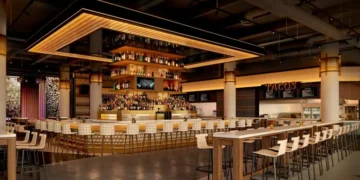
Exposed beams, open ceilings, and communal tables characterize these halls, fostering interaction between diners and chefs. The design is intentional: the goal is to create spaces where people linger, converse, and engage with the food-making process. Vendors benefit from shared foot traffic and collective branding, while visitors enjoy the convenience of variety and the thrill of discovery.
These halls also serve as incubators for entrepreneurship. Chefs can launch new concepts, test recipes, and develop followings without the overhead costs of a traditional restaurant. For example, an innovative plant-based eatery or a small-batch dessert maker can occupy a modest stall and gain exposure to a diverse customer base. The result is a dynamic culinary environment that mirrors Seattle’s eclectic and adventurous population, where experimentation is encouraged and discovery is celebrated.
Seattle’s Public Markets: Tradition Meets Innovation
While food halls represent modern culinary trends, Seattle’s public markets offer a direct link to the city’s storied past. These markets have existed for over a century, preserving the traditions of local commerce and seasonal cooking. Among them, Pike Place Market stands as the most iconic, a symbol of the city’s commitment to community, craftsmanship, and sustainability.
Established in 1907, Pike Place Market remains one of the oldest continuously operating public farmers’ markets in the United States. Beyond its historical significance, it has evolved into a cultural and gastronomic institution. It exemplifies the way traditional markets can coexist with contemporary tastes, supporting both small-scale producers and international culinary exploration.
Pike Place Market: More Than Fish Tossing
Pike Place Market is often remembered for its theatrical fishmongers, who toss whole salmon across counters with showmanship and flair. Yet the market’s significance extends far beyond this spectacle. It is a vast network of interconnected vendors, artisans, and farmers, each contributing to a unique food ecosystem rooted in quality and sustainability.
Visitors to the market encounter dozens of specialty stalls offering a dizzying array of choices. Artisanal cheeses are hand-cut and sampled, cured meats are crafted using traditional methods, and exotic spices and herbs create a kaleidoscope of flavors. Freshly baked breads and pastries fill the air with inviting aromas, while seasonal produce highlights the natural rhythm of the Pacific Northwest’s agricultural cycle.
Pike Place Market’s appeal is not purely culinary—it is deeply cultural. Street performers, local musicians, and artists provide a constantly shifting soundtrack and visual backdrop, while workshops and seasonal events foster community engagement. The market functions as a living, breathing space where commerce, culture, and gastronomy intersect.
Ballard Farmers Market: Local Flavor on the Waterfront
Beyond downtown, neighborhoods like Ballard showcase Seattle’s commitment to local and seasonal cuisine through vibrant markets. The Ballard Farmers Market, situated along the historic waterfront, is a Sunday tradition for many locals. It embodies the principles of farm-to-table dining, emphasizing fresh, sustainable ingredients and supporting small-scale producers.
Seasonality is a key feature of Ballard’s offerings. Summer brings sweet berries, stone fruits, and tender greens, while winter highlights hearty root vegetables and preserved foods. Seafood is locally caught, and meats are sourced from regional farms practicing ethical and sustainable methods. Artisanal prepared foods, from hand-crafted pickles to gourmet street foods, turn these ingredients into immediately enjoyable meals.
The Ballard Farmers Market is also a space for community connection. It attracts families, food enthusiasts, and artisans, offering both inspiration and sustenance. Visitors often leave not just with purchases, but with stories, recipes, and a deeper understanding of the region’s culinary culture.
Emerging Food Halls: Innovation and Experimentation
Seattle’s culinary landscape is dynamic, constantly evolving to reflect both global trends and local ingenuity. Emerging food halls across the city exemplify this evolution, blending creativity, cultural exploration, and experimental gastronomy under one roof. These spaces serve as testing grounds for new concepts, where chefs and small business owners can push the boundaries of flavor, presentation, and dining experience.
Unlike traditional restaurants with fixed menus and rigid formats, emerging food halls embrace flexibility. Pop-up vendors rotate alongside permanent tenants, seasonal offerings adapt to local harvests, and collaborative events encourage culinary cross-pollination. The result is an ever-changing ecosystem where innovation is celebrated and diners are invited to explore something new every visit.
Melrose Market: Neighborhood Charm
Nestled in the heart of Capitol Hill, Melrose Market represents a balance between historic character and modern culinary sophistication. Originally a collection of industrial storefronts and warehouses, it has been transformed into a boutique food hall that exudes warmth and charm.
Melrose Market is intentionally intimate. Its brick walls, narrow hallways, and small communal tables create a sense of closeness, encouraging interaction between chefs and visitors. This intimacy allows for a dining experience that is as much about human connection as it is about food. Patrons can ask questions about ingredients, cooking techniques, or sourcing, and sometimes even observe the preparation process up close.
The market’s collaborative ethos is central to its identity. Chefs frequently share techniques, swap ingredients, or co-create dishes, producing offerings that are both innovative and approachable. For example, a coffee roaster might collaborate with a pastry chef to craft a limited-edition espresso-infused dessert, or a taco vendor may experiment with local mushrooms sourced from nearby farms. These interactions turn Melrose Market into a living laboratory for culinary experimentation, where neighborhood charm meets serious gastronomy.
The Commons: Urban Hub
In contrast, The Commons, located in South Lake Union, represents a modern, urban vision of the food hall. Sleek design, minimalist décor, and open, airy spaces appeal to city professionals seeking convenience without sacrificing quality. Communal seating is thoughtfully designed to encourage social engagement while accommodating the fast-paced rhythm of urban life.
What sets The Commons apart is its integration of technology into the dining experience. Mobile ordering, digital menus, and real-time updates on availability allow visitors to seamlessly navigate a multi-vendor environment. This tech-forward approach supports both efficiency and experimentation: chefs can quickly test new dishes, monitor customer feedback, and adjust menus in real time.
Culinary diversity is a hallmark of The Commons. International flavors—from Thai curries to Mexican street tacos—sit alongside local Pacific Northwest staples, such as sustainably caught seafood and farm-fresh vegetables. The result is a food hall that reflects Seattle’s cosmopolitan sensibilities while remaining grounded in regional culinary traditions. It’s a space where global and local intersect, creating dishes that are culturally resonant and technically inventive.
The Role of Sustainability
Sustainability is not an afterthought in Seattle’s emerging food halls—it is a defining principle. Vendors and market operators prioritize practices that minimize environmental impact while supporting local economies. Ingredients are often sourced from nearby farms, orchards, and fisheries, reducing transportation emissions and ensuring peak freshness. Many stalls utilize eco-friendly packaging, compostable utensils, and zero-waste policies, reflecting a broader city-wide commitment to responsible consumption.
Markets like Pike Place and Ballard exemplify this approach. Organic produce, ethically sourced seafood, and handcrafted artisanal products form the backbone of their offerings. Beyond ingredient sourcing, sustainability in Seattle’s food halls extends to operational and community initiatives. Rooftop gardens provide fresh herbs and vegetables directly to vendors, while urban farms and cooperative agriculture programs foster a closed-loop system where local labor and resources are reinvested into the community.
By integrating sustainability with creativity, these spaces do more than serve food—they cultivate awareness, encourage conscious consumption, and demonstrate that environmental responsibility and culinary excellence can coexist. Diners leave not only with a satisfying meal but also with an appreciation for the thought and care behind each dish, creating a deeper, more meaningful connection to the food and the city itself.
Cultural Diversity on Display
Seattle is a city defined by its multicultural fabric, and nowhere is this more evident than in its food halls and public markets. These spaces are living mosaics of global flavors, bringing together culinary traditions from every corner of the world. Walking through a Seattle food hall can feel like a miniature international tour: one vendor serves steaming bowls of Japanese ramen, another offers Korean barbecue sizzling on hot grills, while nearby a Mexican street-food stall tempts passersby with freshly made tacos, and an Ethiopian vendor rolls out spongy injera topped with rich, spiced stews.
This diversity reflects more than just taste preferences—it embodies community stories and heritage. Many vendors arrive with recipes and techniques passed down through generations, preserving culinary traditions while adapting them to a modern, urban context. A family-run dumpling stall may infuse its fillings with locally sourced ingredients, merging cultural history with Pacific Northwest freshness. Similarly, a Middle Eastern eatery might reinterpret classic dishes with sustainable, seasonal produce.
These cross-cultural exchanges do more than satisfy hunger—they foster understanding and appreciation. Diners encounter unfamiliar flavors, learn about ingredients and rituals from other cultures, and develop a sense of connection to communities they may not otherwise engage with. For immigrants and first-generation residents, these markets offer a space where their culinary heritage is celebrated and shared, creating a sense of belonging within the broader Seattle community.
Cultural diversity also drives innovation. By juxtaposing cuisines, food halls encourage fusion experiments, such as Korean-Mexican tacos or Japanese-inspired pastries. This blending of traditions reflects Seattle’s identity as a city open to experimentation, where heritage and creativity coexist harmoniously.
The Social Experience
Food halls and public markets in Seattle are far more than venues for eating—they are social engines. The design of these spaces fosters interaction, collaboration, and celebration. Communal tables encourage strangers to share a meal, open kitchens invite diners to witness chefs at work, and shared counters transform ordinary transactions into opportunities for conversation.
Seattleites frequent these spaces as much for connection as for cuisine. Friends gather over coffee, families browse stalls on weekends, and professionals meet for lunch amidst the bustling energy of communal dining areas. These venues also serve as informal networking hubs, where creatives, entrepreneurs, and culinary enthusiasts converge to exchange ideas, inspiration, and support.
Many markets extend their role as social hubs through live music, workshops, cooking demonstrations, and seasonal festivals. Pike Place Market hosts everything from local jazz performances to harvest festivals, creating an environment where food, art, and community intersect. Similarly, neighborhood food halls often organize pop-up events and tasting nights, encouraging participation beyond traditional dining.
This social dimension is a defining characteristic that sets food halls and markets apart from conventional restaurants. Dining becomes a shared experience rather than a solitary act, fostering community cohesion and making each visit memorable.
Challenges and Opportunities
Despite their success, Seattle’s food halls and markets face significant challenges. Rising real estate costs in prime neighborhoods can strain small vendors, while city regulations and licensing requirements often demand complex compliance efforts. Competition from food delivery services introduces pressure to adapt operations and marketing strategies without losing the communal, hands-on experience that defines these venues.
Additionally, markets must navigate the delicate balance between serving local residents and catering to tourists. While tourism brings revenue, overemphasis on visitor-friendly offerings risks alienating the core local community and diluting the authenticity of the market experience.
Yet these challenges also present opportunities for innovation. Rotating vendors and pop-up concepts allow spaces to remain fresh and adaptive, giving new chefs a platform to experiment and test audiences. Flexible leasing models reduce barriers to entry, encouraging entrepreneurship while maintaining diversity. Technological integration, including mobile ordering, digital loyalty programs, and social media engagement, allows vendors to expand reach, streamline operations, and collect valuable customer insights—all without sacrificing the personal touch that defines the market experience.
Spotlight on Unique Vendors
Seattle’s food halls and public markets are defined by the individuality of their vendors, each contributing a distinct voice to the city’s culinary symphony.
-
Beecher’s Handmade Cheese at Pike Place Market has become an institution, known for its live cheese-making demonstrations and approachable, artisanal products. Visitors not only taste the results but witness the craft and personality behind each wheel.
-
Eden Hill Food Hall, in South Lake Union, showcases an array of specialized vendors—from Vietnamese bánh mì artisans and gourmet doughnut makers to chefs blending global flavors into inventive fusion tacos. This hall exemplifies how variety and quality coexist under one roof.
-
Rachel’s Ginger Beer illustrates Seattle’s knack for combining traditional craft with contemporary taste. Their small-batch, naturally fermented beverages have gained a loyal following, demonstrating how niche products can thrive in communal spaces.
These vendors exemplify entrepreneurial spirit, creativity, and cultural storytelling, turning small-scale operations into culinary landmarks while reinforcing Seattle’s reputation for food innovation.
Food Halls as Incubators for Culinary Talent
Food halls are more than consumer spaces—they are launchpads for culinary careers. The lower barriers to entry compared to standalone restaurants allow chefs and entrepreneurs to experiment with flavors, test menus, and refine their craft while interacting directly with customers.
Several of Seattle’s celebrated restaurants began as humble market stalls or food hall vendors. By providing exposure, immediate feedback, and flexible operational frameworks, these spaces nurture talent while maintaining close ties to the community. Chefs can take calculated risks, innovate with seasonal and local ingredients, and grow their brands organically.
The cumulative effect is a vibrant culinary ecosystem where creativity is rewarded, experimentation is encouraged, and connections between producers, consumers, and the community remain strong. This system ensures that Seattle’s food culture evolves dynamically, blending tradition, innovation, and inclusivity.
Looking Ahead: The Future of Seattle’s Culinary Markets
Seattle’s food halls and public markets are poised for continued growth, shaped by the interplay of sustainability, community engagement, and culinary curiosity. As consumers increasingly demand authentic, locally sourced, and immersive experiences, these spaces are evolving into hybrid hubs—part market, part entertainment venue, and part innovation incubator.
Technology will play a growing role. Mobile apps, digital loyalty programs, and integrated ordering systems will enhance convenience without eroding the personal, tactile experiences that define food halls. Meanwhile, global flavors will continue to influence local menus, encouraging fusion, experimentation, and cross-cultural dialogue.
Ultimately, Seattle’s food halls and markets are more than dining destinations—they are reflections of the city itself. They celebrate diversity, foster community, and provide platforms for creativity. As these spaces continue to evolve, they will remain central to Seattle’s identity, creating environments where culinary innovation and human connection flourish side by side.
Conclusion
Seattle’s food halls and public markets are more than mere destinations—they are reflections of the city itself. They encapsulate its history, celebrate its diversity, and push the boundaries of culinary creativity. Whether strolling through the iconic aisles of Pike Place, sampling artisanal bites at Melrose Market, or exploring the innovative offerings at The Commons, visitors and locals alike experience a city alive with flavor, culture, and community.
In the Emerald City, the act of eating transcends nourishment; it becomes a celebration of local heritage, global influence, and the shared human experience. Seattle’s food halls and public markets are, ultimately, the heart of this culinary ecosystem—a place where every bite tells a story.