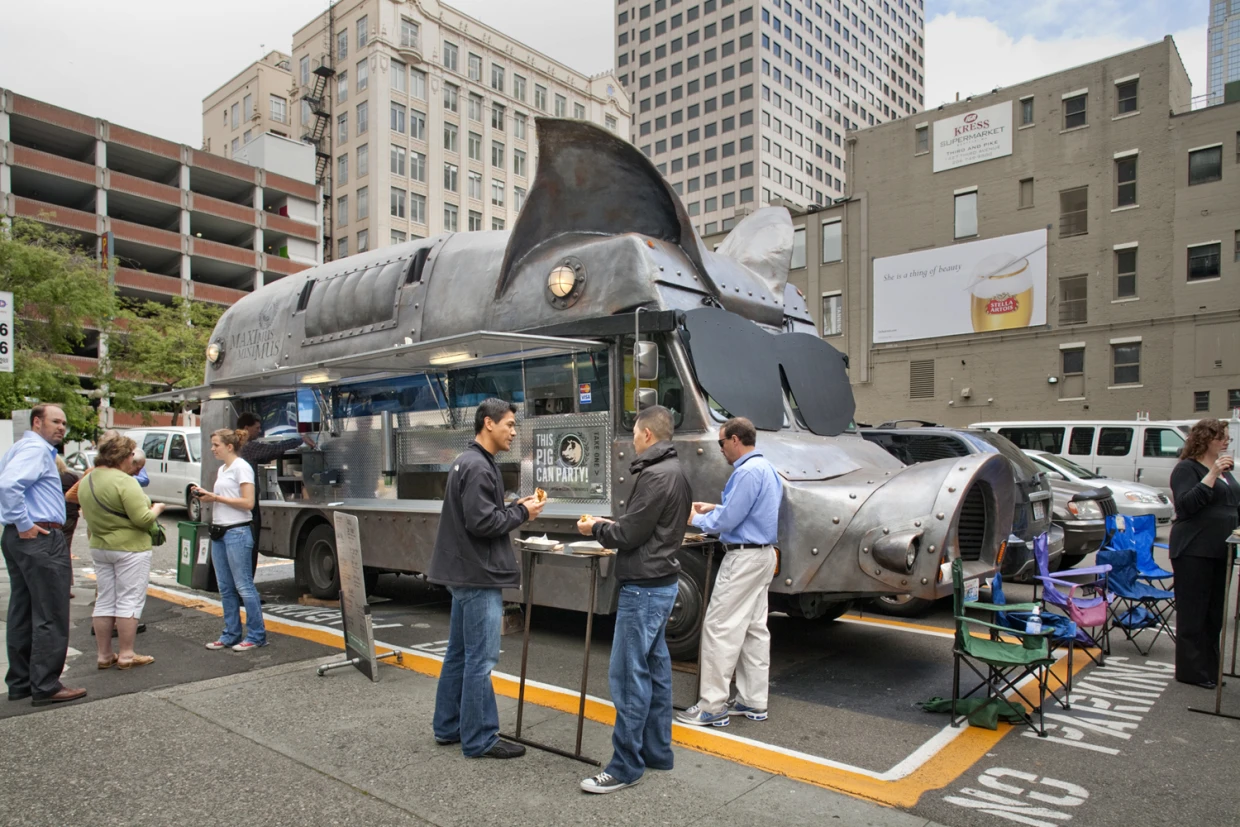
Seattle’s culinary scene has long been celebrated for its fresh seafood, farm-to-table restaurants, and vibrant coffee culture. Yet, tucked between bustling streets, waterfront views, and industrial neighborhoods is a thriving undercurrent of mobile gastronomy: food trucks and pods. In this city, these roving kitchens aren’t just a trend—they are a movement that blends creativity, community, and convenience.
From innovative fusion tacos to artisanal desserts, Seattle’s food trucks have transformed from humble lunch options into dynamic cultural expressions. The “pods,” clusters of trucks gathered in one location, offer a communal dining experience that’s as much about atmosphere as it is about flavor. Exploring these pods feels like stepping into a culinary festival that operates year-round, rain or shine.
The Rise of Food Trucks in Seattle
Seattle’s food truck culture began emerging in the early 2000s, riding the wave of a growing interest in local, independent businesses and the city’s reputation for embracing entrepreneurial ventures. Chefs and aspiring restaurateurs saw food trucks as a low-risk, high-reward opportunity: they could experiment with menus, test new flavors, and gauge customer interest without the enormous financial burden of leasing a brick-and-mortar location.
Unlike traditional restaurants bound by fixed leases and rigid operational structures, food trucks offered flexibility. Operators could pivot quickly, introduce seasonal dishes, or explore niche culinary trends. This mobility allowed the city’s food scene to become more dynamic, inclusive, and experimental. For chefs, it was both a canvas and a classroom: a way to hone their craft, build a following, and create a distinct identity without requiring investors or long-term commitments.
Seattle’s residents were primed to embrace this new dining model. The city’s culture values innovation, sustainability, and localism—all principles that aligned naturally with the food truck movement. Within a few years, what started as a few trucks parked sporadically around office buildings and parks quickly evolved into a full-fledged culinary ecosystem.
From Street Corners to Iconic Pods
In the early days, food trucks often gravitated toward high-traffic areas where hungry office workers could grab a quick bite. Downtown streets, particularly near South Lake Union, became popular lunchtime destinations. Here, trucks serving everything from artisan sandwiches to spicy street tacos drew lines that often wrapped around corners, signaling the growing appetite for convenient, high-quality, mobile cuisine.
As the movement grew, certain neighborhoods organically became food truck hubs, each reflecting its own personality:
-
South Lake Union emerged as the city’s tech corridor hub, where fast, gourmet lunches catered to the office crowd.
-
Capitol Hill, known for its artsy, eclectic energy, became a playground for inventive and multicultural menus.
-
Ballard, with its maritime heritage, gravitated toward seafood-focused offerings, giving local residents a taste of both tradition and innovation.
The evolution of these street-based operations eventually gave rise to food truck pods, a concept that transformed Seattle’s mobile dining scene. Pods are clusters of two or more trucks sharing a common space, often outfitted with outdoor seating, communal tables, and sometimes even live music stages. These spaces allow diners to sample multiple cuisines in one visit, fostering a festival-like atmosphere in a permanent or semi-permanent setting. Pods also give truck owners stability, providing designated spots that attract consistent foot traffic, rather than relying solely on transient street locations.
What makes pods unique is not just convenience, but the sense of community they cultivate. Patrons linger longer than a standard lunch stop, often mingling with neighbors, friends, and visiting chefs. This model encourages collaboration between truck owners, who may coordinate menus for complementary offerings, themed events, or pop-up experiences. It’s a hybrid of marketplace and social space, blending the casual accessibility of a food truck with the experience-oriented environment of a public venue.
Seattle Food Truck Pods: Community and Culture
Food truck pods in Seattle are more than places to eat—they are spaces for connection, culture, and creativity. Unlike traditional restaurants, which often segment diners into isolated tables, pods create communal dining experiences. Here, strangers share picnic tables, families stroll through with children, and local artists can perform without the formalities of a concert hall. Pods act as incubators for social interaction, culinary innovation, and micro-business development.
The city’s food pods also serve as cultural mirrors, reflecting the diversity and spirit of Seattle neighborhoods. They highlight global influences while showcasing locally sourced ingredients, offering an experience that is simultaneously familiar and adventurous.
Notable Food Truck Pods
The Northlake Food Truck Park
Located along the scenic shores of Lake Union, Northlake is known for its rotating roster of trucks and breathtaking waterfront views. Patrons can find Korean-inspired tacos, artisanal ice cream, and globally influenced comfort foods here. The pod often hosts seasonal events and themed weekends, making it a lively hub for both locals and visitors. Its combination of scenery and diverse culinary offerings embodies Seattle’s love for outdoor dining and experimental flavors.
South Lake Union Pods
In Seattle’s bustling tech corridor, pods cater primarily to office workers seeking quality, quick lunches. Menus range from pho and banh mi sandwiches to wood-fired pizzas and gourmet burgers. These trucks rotate frequently, often introducing daily specials or limited-time creations, keeping the dining experience fresh for repeat visitors. The pods’ efficiency, quality, and convenience have made them a lunchtime institution in one of the city’s busiest commercial districts.
Capitol Hill’s Broadway Pods
Capitol Hill’s pods reflect the neighborhood’s reputation as Seattle’s creative epicenter. Diners can encounter vegan comfort food, fiery Mexican street tacos, international fusion dishes, and inventive desserts—all within a few steps of one another. The pods are lively after dark, serving the neighborhood’s nightlife crowd and creating a sense of urban vibrancy that’s rare in other parts of the city. Local musicians, artists, and performers often accompany the culinary experience, reinforcing the pods’ role as cultural as well as gastronomic destinations.
Ballard Food Truck Pods
Ballard’s maritime legacy informs the culinary identity of its pods. Fresh seafood dishes, such as clam chowder, shrimp rolls, and seasonal catches, are prominent. The pods also nurture community engagement, often hosting local musicians, artists, and food-focused workshops. The relaxed, neighborhood-focused vibe makes Ballard pods a destination for both residents and visitors seeking an authentic, local experience.
Culinary Innovation on Wheels
Seattle’s food trucks are more than convenient stops for lunch or dinner—they are rolling laboratories of culinary creativity. These mobile kitchens give chefs a unique platform to experiment without the constraints of a traditional restaurant. Here, menus are fluid, ingredients can be local or seasonal, and flavors can take bold, unconventional directions.
Unlike brick-and-mortar restaurants, where changing a menu involves significant costs, staffing adjustments, and inventory considerations, food trucks allow for nimble experimentation. A chef can test a new taco filling one week, pivot to a seasonal grain bowl the next, and immediately gauge customer reactions. This flexibility has made Seattle food trucks an incubator for culinary talent, where many chefs refine their craft before eventually opening full-scale restaurants or branching into other ventures.
Fusion and Diversity
Seattle’s food trucks reflect the city’s multicultural identity, embracing global flavors while pushing the boundaries of culinary tradition. Fusion cuisine is particularly prevalent, often combining ingredients and techniques that might not otherwise meet in a conventional restaurant.
Some standout examples include:
-
Korean-Mexican fusion tacos: These combine traditional carnitas or grilled meats with fermented kimchi, gochujang sauces, and pickled vegetables. The result is a dish that’s spicy, tangy, and satisfyingly savory—a perfect representation of culinary cross-pollination.
-
Pacific Northwest sushi burritos: Local seafood like Dungeness crab, smoked salmon, or sablefish meets the structure of a California-style sushi roll, wrapped in nori and rice, but oversized to fit the grab-and-go ethos of a food truck.
-
Vegan Asian noodle bowls: These inventive bowls pair seasonal, locally sourced vegetables with bold sauces and house-made noodles. Many trucks offer entirely plant-based menus, creating options that cater to evolving dietary preferences while maintaining flavor complexity.
The diversity of offerings reflects Seattle’s openness to innovation. Chefs feel encouraged to experiment, and diners are willing to follow them on that journey. For example, a food truck might introduce a “limited-time fusion dish” that draws long lines of curious locals, and if it resonates, it can become a permanent fixture on the menu.
This experimental spirit has contributed to Seattle becoming a hub for culinary talent. Several well-known chefs began their careers operating food trucks, using them as a low-risk way to build reputations, refine recipes, and cultivate loyal customer bases before investing in a traditional restaurant space.
Seasonal Menus and Sustainability
Seattle’s food truck culture is closely tied to seasonal eating and sustainable sourcing, reflecting the city’s broader farm-to-table ethos. Many truck operators prioritize ingredients from local farms, fisheries, and artisan producers, ensuring freshness while supporting the regional economy.
Seasonality often dictates the menu in creative ways. For instance:
-
Spring: Trucks might highlight ramps, fiddlehead ferns, or early spring greens, incorporating them into salads, grain bowls, or vegetable-forward tacos.
-
Summer: Berries, heirloom tomatoes, and fresh corn dominate, leading to fruit-forward desserts, chilled soups, or vibrant salads.
-
Fall: Squashes, mushrooms, and apples appear in hearty, warming dishes like braised vegetable bowls or savory pies.
-
Winter: Root vegetables, citrus, and preserved ingredients feature prominently, often in comforting soups, stews, or roasted plates.
Sustainability extends beyond ingredient sourcing. Many food trucks adopt eco-conscious packaging, using compostable containers, bamboo utensils, and recycled materials. By integrating environmentally friendly practices, these mobile kitchens reinforce Seattle’s broader commitment to ecological responsibility while setting a standard for responsible urban dining.
The Social and Economic Impact
Food trucks and pods have a measurable impact on Seattle’s social and economic landscape.
Economic influence:
-
They allow chefs and entrepreneurs to enter the culinary market with significantly lower startup costs than a traditional restaurant.
-
They create jobs not only for chefs and food preparers but also for support staff, logistics teams, and local suppliers.
-
Trucks often rotate through multiple neighborhoods, spreading economic activity and creating vibrant lunchtime economies in areas that might otherwise see little foot traffic.
Social influence:
-
Food truck pods function as neighborhood hubs, bringing residents together for shared dining experiences.
-
They host collaborative events with local breweries, farmers, and artists, often doubling as spaces for fundraisers, workshops, and community celebrations.
-
By fostering inclusivity and interaction, pods strengthen neighborhood identity, giving both locals and visitors a sense of community and belonging.
In many ways, Seattle’s food truck culture mirrors the city itself: innovative, diverse, community-oriented, and forward-thinking. Eating at a pod isn’t just about the meal—it’s about engaging with a dynamic urban ecosystem where chefs, neighbors, and visitors intersect in a shared experience of taste, culture, and creativity.
Iconic Dishes and Must-Try Trucks
Seattle’s food truck scene is as much about memorable dishes as it is about mobility. Certain trucks have become legends in their own right, offering meals that not only satisfy hunger but also showcase the city’s creativity, diversity, and commitment to quality. These are not merely meals on the go—they are culinary experiences that have earned loyal followings and occasional long lines.
Marination Mobile
One of Seattle’s most celebrated trucks, Marination Mobile, brings a bold Pacific twist to the streets. Specializing in Hawaiian-Korean fusion, the menu fuses spicy, tangy, and savory flavors into handheld delights. Signature items include sliders packed with kimchi, garlic aioli, and slow-cooked meats, alongside tacos featuring marinated pork, tangy slaw, and sesame-laced sauces. Marination’s dishes capture the essence of Seattle’s love for fusion cuisine, offering comfort food with a worldly edge. Their meals are approachable yet innovative, making them an ideal introduction for anyone exploring the city’s mobile culinary scene.
Skillet Street Food
Comfort food reaches new heights on wheels with Skillet Street Food. Known for indulgent, hearty fare, the truck elevates classics like fried chicken sandwiches, gourmet mac-and-cheese, and loaded fries. Each dish is crafted with care, often incorporating seasonal ingredients and house-made sauces. Skillet demonstrates that mobile kitchens don’t have to compromise on quality—they can deliver food that is both homey and elevated, satisfying cravings while sparking delight with unexpected twists.
Poquitos Mobile
For fans of Mexican cuisine, Poquitos Mobile provides a playful and flavorful take on street food favorites. Their street corn, roasted and seasoned with spices and cheese, has become a crowd favorite, while carnitas tacos and chorizo offerings showcase the bold flavors and vibrant textures that define Mexican street fare. What sets Poquitos apart is its ability to balance authenticity with innovation—classic recipes are honored, yet menus often rotate to introduce seasonal ingredients or creative variations, keeping diners engaged and excited.
Mochi & Matcha Truck
Sweet enthusiasts flock to Mochi & Matcha Truck, which brings desserts to the streets in a uniquely Pacific Northwest style. Their mochi ice cream, delicate yet flavorful, is often paired with seasonal matcha pastries or fruit-infused variations. This truck exemplifies the dessert-forward experimentation Seattle food trucks are known for, turning familiar treats into sophisticated, Instagram-worthy bites. Mochi & Matcha highlights the growing demand for dessert trucks that combine cultural influences, seasonal ingredients, and artistic presentation.
These trucks, each with its own distinct personality, embody Seattle’s ethos: a commitment to quality, creativity, and local pride. Together, they illustrate how the city’s mobile kitchens have evolved into culinary landmarks that attract both locals and visitors.
Weatherproof Dining in a Rainy City
Seattle’s notorious rainfall hasn’t hindered the growth of its food truck culture—instead, it has shaped it. Many pods have adapted to the climate with covered seating areas, retractable awnings, heaters, and even fire pits, ensuring that diners can enjoy meals comfortably year-round. This weatherproofing has turned outdoor dining into a reliable, welcoming experience, even during the soggiest months.
The flexibility of the food truck model further enhances its resilience. Trucks can rotate locations, collaborate on pop-up events, or introduce menu adjustments in response to seasonal availability or customer demand. This adaptability not only preserves the dining experience in inclement weather but also encourages chefs to innovate continuously. In Seattle, rain is not an obstacle—it’s part of the rhythm that makes food truck culture dynamic and responsive.
Technology and Ordering Innovations
Seattle’s tech-savvy culture has influenced how food trucks operate, transforming them from simple street kitchens into efficient, digitally connected businesses. Many trucks utilize apps and social media for pre-ordering, digital menus, and contactless payments, allowing patrons to skip lines and streamline their dining experience.
Some trucks also use real-time location updates on platforms like Instagram or specialized mobile apps, letting customers know exactly where to find them on any given day. This combination of culinary artistry and technological convenience reflects Seattle’s innovative mindset, where creativity in the kitchen is complemented by smart, modern customer engagement.
Tech also enables trucks to experiment with data-driven menu adjustments, monitor which items are most popular, and optimize service for busy lunch hours or evening crowds. In effect, Seattle’s food trucks are a fusion of culinary craft and operational ingenuity.
The Future of Seattle Food Trucks
The trajectory of Seattle’s food truck scene points toward continued growth, experimentation, and community engagement. Several trends are emerging that could define the next decade of mobile dining:
-
Hyper-local ingredients: Trucks are increasingly sourcing from neighborhood farms, urban gardens, and sustainable fisheries, emphasizing traceability and seasonality.
-
Diet-specific menus: Plant-based, keto-friendly, gluten-free, and allergen-conscious offerings are becoming more common, reflecting evolving dietary trends and increasing consumer awareness.
-
Collaborative pods: Themed events and partnerships between multiple trucks allow chefs to create curated culinary experiences, from taco festivals to dessert tastings.
The rise of delivery platforms has also created hybrid models, where food trucks serve both on-site diners and online orders. This ensures accessibility for customers who prefer takeout while allowing trucks to maintain their street presence and community interactions.
Seattle’s food truck ecosystem thrives because of its flexibility, creativity, and responsiveness. Chefs can innovate without massive overhead, diners can explore global flavors at one location, and the community benefits from a vibrant, interactive, and culturally rich urban experience. In short, Seattle food trucks aren’t just a trend—they are a dynamic, evolving institution that continues to shape the city’s culinary identity.
Conclusion: More Than Just a Meal
Seattle’s food trucks and pods offer more than food—they provide a lens into the city’s culture, innovation, and community. They bring together flavors from around the world while championing local ingredients and sustainable practices. Each truck tells a story: of an ambitious chef, a neighborhood gathering, or a cultural fusion experiment.
For residents and visitors alike, exploring these mobile kitchens is not just a culinary experience but an immersion into Seattle’s vibrant spirit. Whether it’s a quick lunch break in South Lake Union or a leisurely evening at a waterfront pod, Seattle’s food trucks serve as a testament to the city’s creativity, resilience, and appetite for bold flavors.