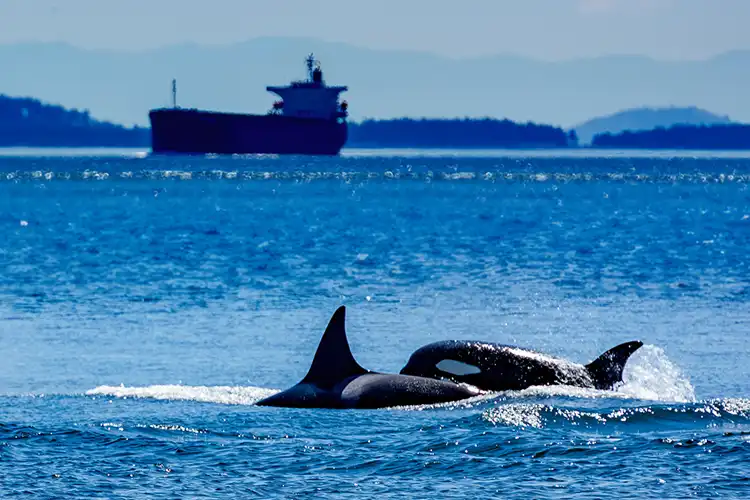
Seattle’s waterfront serves as the perfect launch point for exploring one of the world’s richest marine ecosystems. The half-day wildlife and whale watching cruise departing directly from downtown offers a compact yet immersive journey into the Salish Sea, where towering orcas slice through the water, humpbacks breach with explosive power, and gray whales forage in the shallows during their seasonal migrations. This tour stands out for its convenience—no lengthy drives or ferries required—making it ideal for visitors with limited time who still seek authentic encounters with Pacific Northwest wildlife.
Operators have refined these excursions over years of operation, prioritizing education, comfort, and responsible viewing practices. Departing from Pier 69, the cruise typically lasts 3 to 5 hours, with routes adapting daily to current sightings for maximum wildlife encounters. The experience combines scenic cruising past the Seattle skyline, views of the Olympic and Cascade mountains, and expert narration that deepens appreciation for the delicate balance of this inland sea.
The Allure of the Salish Sea
The Salish Sea encompasses Puget Sound, the Strait of Juan de Fuca, and the waters around the San Juan Islands and Gulf Islands, forming a complex network of channels, inlets, and islands shaped by ancient glaciers. This biodiverse region supports a remarkable array of marine life due to nutrient-rich upwellings, strong tidal currents, and protected habitats. Cold waters from the Pacific mix with freshwater inflows, creating ideal conditions for plankton blooms that sustain everything from tiny fish to apex predators like orcas.
Historically, Indigenous peoples of the Coast Salish tribes have long relied on these waters for sustenance and cultural practices, with stories of whales woven into oral traditions. Commercial whaling in the 19th and early 20th centuries decimated populations, but recovery efforts and international protections have allowed species like humpbacks to return in growing numbers. Today, the Salish Sea represents a living laboratory for marine science, where researchers track migrations, study social behaviors, and monitor threats such as vessel noise, chemical pollutants, and declining salmon runs.
For half-day cruisers, the proximity to Seattle means quick access to these wonders without committing to an all-day commitment. The variable routes—sometimes heading north toward the San Juans or south into central Puget Sound—ensure flexibility based on real-time conditions and animal movements, turning each outing into a unique expedition.
Choosing the Perfect Half-Day Cruise
The standout option departs straight from Seattle’s Pier 69 aboard the high-speed Emerald Clipper, a modern catamaran designed for stability and comfort in these waters. This is the only tour offering direct downtown departure, eliminating transfers and maximizing time on the water. Schedules vary seasonally: morning departures around 9 or 10:30 AM in shoulder seasons, with additional afternoon options in peak summer. Pricing starts around $129–$144 for adults (with child discounts), including taxes and fees extra in some quotes, but often bundled with onboard perks.
A strong alternative operates from nearby Edmonds, about 17 miles north of Seattle and accessible by short drive, bus, or light rail. Puget Sound Express runs 4- to 5-hour tours on vessels like the Swiftsure, a fast, quiet hydrofoil jet boat with no exposed propellers, tiered viewing decks, a heated cabin, restrooms, and a galley offering snacks, beverages, and signature blueberry buckle. Rates are around $155 for adults. Both operators provide onboard naturalists, heated indoor spaces for cooler days, and strong wildlife sighting records.
Editorial preference leans toward the Pier 69 departure for pure convenience and the thrill of leaving the city skyline directly behind. Many tours include a sighting guarantee: no whales spotted yields a voucher for a future cruise, reflecting operators’ confidence in the ecosystem’s productivity.
Boarding and Setting Sail from Pier 69
Passengers begin arriving at Pier 69 along Seattle’s lively central waterfront, where the energy is electric yet relaxed. Ferries to Bainbridge Island and Bremerton glide past with low rumbles, while seagulls wheel overhead and the distant hum of city traffic blends with the lapping of waves against the docks. The iconic red-and-white Washington State Ferries terminal sits just steps away, and on clear mornings the Space Needle rises prominently against the skyline. The crisp scent of saltwater mixes with freshly brewed coffee from nearby stands and the faint aroma of fish and chips from waterfront vendors.
Check-in is straightforward and efficient. Guests present tickets at the dedicated counter, receive boarding passes, and often a small map highlighting likely whale sighting zones. Staff offer friendly reminders about layering clothing and seasickness prevention. A quick safety briefing covers life jacket locations, movement on deck, and emergency procedures before boarding begins.
The Emerald Clipper, a sleek 100-foot catamaran, waits with twin hulls designed for smooth, stable cruising. Crew members in branded jackets welcome guests aboard, directing them to either the open upper deck for panoramic views or the heated, air-conditioned lower cabin with large windows and comfortable seating. Once everyone is settled, the lines are cast off and the powerful engines hum to life. The vessel eases away from the pier, turning gracefully into Elliott Bay.
As the catamaran picks up speed, Seattle’s skyline begins to recede: the historic Smith Tower stands tall among gleaming modern skyscrapers, the Great Wheel spins slowly near the waterfront, and on clear days the snow-capped peak of Mount Rainier floats ethereally on the horizon. The boat cuts cleanly through the water, leaving a clean wake behind. Within minutes, passengers spot their first wildlife—harbor seals hauled out on green navigation buoys, sleek cormorants diving for herring, and occasional bald eagles soaring overhead. Naturalists begin pointing out these early sightings, building excitement as the vessel heads north toward the open waters of the Salish Sea.
Onboard Experience and Expert Narration
The onboard atmosphere is both educational and relaxed. A team of experienced naturalists—many with backgrounds in marine biology, ecology, or years of field research—lead the interpretive program. Equipped with microphones, hydrophones, and spotting scopes, they deliver live commentary throughout the cruise, blending scientific facts with engaging stories.
Narration covers a wide range of topics: the complex social structure of orca pods, the recovery of humpback whales after the whaling era, the cultural significance of the Salish Sea to Coast Salish tribes, and current conservation challenges such as salmon habitat loss and vessel noise pollution. When wildlife appears, the naturalists identify species, estimate ages, and often recognize individual animals by their markings, sharing real-time data they collect for organizations like the Center for Whale Research, Orca Network, and NOAA.
Passengers enjoy thoughtful amenities that enhance comfort. Complimentary locally sourced snacks (such as smoked salmon bites, fresh fruit, cookies, and blueberry buckle) and a selection of hot drinks, soft beverages, and light beers are offered. A professional photo package captures key moments from the trip, available for purchase afterward.
The catamaran’s design shines here: the twin-hull stability greatly reduces rolling motion compared to single-hull boats, making the ride comfortable even in moderate chop. Guests can choose the wind-swept upper deck for fresh air and 360-degree views when spotting wildlife, or retreat to the climate-controlled cabin during cooler or breezier stretches.
Crew and naturalists consistently emphasize responsible viewing practices. They maintain mandatory federal distances—100 yards from most whales and a full 1,000 yards (about 914 meters) from endangered Southern Resident orcas—slowing the vessel or stopping the engines near animals to minimize disturbance. These guidelines protect the whales’ natural behaviors and reduce stress on already vulnerable populations. For sensitive passengers, crew members readily provide ginger candies, wristbands, or advice on horizon gazing to help manage seasickness.
The result is a balanced journey: part scenic cruise, part floating classroom, and part wildlife safari, all delivered with professionalism and genuine passion for the Salish Sea’s marine life.
The Majestic Orcas of the Northwest
Orcas, commonly known as killer whales, remain the star attraction on these Salish Sea cruises, drawing passengers with their intelligence, social complexity, and raw power. Two distinct ecotypes share these waters: the critically endangered Southern Residents, a fish-eating population specializing almost exclusively in Chinook salmon and currently numbering around 74 individuals divided among J, K, and L pods, and the far more numerous and thriving Bigg’s (transient) orcas, marine mammal hunters that roam in smaller, tighter-knit groups typically ranging from 2 to 6 animals.
Southern Residents face existential pressures including plummeting Chinook salmon runs, legacy pollutants that accumulate in their blubber, and vessel noise that disrupts their intricate echolocation and pod-specific dialects. Sightings often reveal graceful, synchronized surfacing sequences, collective exhalations that sound like distant thunder, and occasional explosive breaches that send spray flying dozens of feet. Bigg’s orcas, by contrast, display stealthier, more predatory tactics—silent approaches followed by swift, coordinated hunts on harbor seals or sea lions that underscore their strategic intelligence and strong family bonds.
Naturalists aboard use high-powered binoculars and hydrophones to identify individuals through distinctive dorsal fin shapes (tall and straight in males, curved in females), unique saddle patches, and battle-earned nicks or notches. Each pod maintains its own vocal repertoire, passed culturally across generations. These close encounters underscore both the vulnerability of the Southern Residents and the remarkable adaptability of Bigg’s orcas as apex predators.
Humpback Whales: Giants Returning Home
Humpback whales represent one of the great conservation success stories in the region, having rebounded dramatically from near-extinction due to commercial whaling. In the Salish Sea, these leviathans arrive primarily to feast on dense schools of krill, herring, and other small fish. They employ sophisticated feeding strategies such as bubble-net feeding, where groups exhale rings of bubbles to corral prey before lunging upward with mouths agape, or powerful individual lunges that create dramatic surface disturbances.
Adults commonly reach lengths of up to 50 feet and weights nearing 40 tons, distinguished by their elongated pectoral fins (nearly one-third body length), bumpy tubercles on the head, and massive tail flukes that often arch high before a deep dive, lingering visibly as a final farewell. Their acrobatics—full-body breaches that crash back with thunderous splashes, repeated pectoral fin slaps, or curious spy-hops where they lift their heads vertically—provide some of the cruise’s most memorable moments.
Though best known for complex songs on tropical breeding grounds in Hawaii or Mexico, occasional vocalizations can be detected here via hydrophones. Individuals represent multiple distinct population segments, including the threatened Mexico DPS and endangered Central America DPS, highlighting the need for vigilance against ship strikes, fishing gear entanglements, and habitat pressures during their recovery.
Gray Whales and Their Seasonal Visits
Each spring, a subset of Eastern North Pacific gray whales—affectionately called “Sounders”—diverts from their epic coastal migration to linger in the shallow bays and mudflats of northern Puget Sound. These 40- to 50-foot baleen whales specialize in suction-feeding on ghost shrimp and amphipods buried in sediment, creating telltale muddy plumes that trail behind them as they roll and excavate.
Their mottled gray skin, heavily encrusted with barnacles and whale lice that create a rugged, ancient appearance, stands out against the water, complemented by heart-shaped blows and impressive fluke lifts when they sound. The full migration spans more than 10,000 miles round-trip between Baja California breeding lagoons and Arctic summer feeding grounds, making this energy-rich stopover crucial for mothers with calves or individuals rebuilding fat reserves.
While some operators run dedicated shorter gray whale excursions focused on these unique shallow-water behaviors, many standard half-day cruises encounter them reliably during March and April. These visits also serve as opportunities to discuss conservation measures, including reduced vessel speeds to prevent strikes and protection of critical foraging habitats from disturbance and pollution.
Minke Whales and Other Marine Mammals
Minke whales, the smallest of the baleen whales found here at around 20–30 feet long, move with quick, elusive grace—dark gray to black backs contrasting sharply with white patches on their pectoral fins. They feed opportunistically on fish and plankton, often appearing as brief rolls or a single visible dorsal fin before vanishing, rewarding patient spotters.
Harbor porpoises provide frequent, lively company with their rapid, rolling surfacings and high-pitched vocalizations. On rocky haul-outs and buoys, Steller sea lions (larger, with a thick mane in males) and California sea lions coexist alongside sleek harbor seals, offering excellent photo opportunities while lounging or barking. These pinnipeds serve as primary prey for Bigg’s orcas, illustrating the interconnected food web, and allow passengers safe, respectful viewing from the vessel without intrusion. Occasional river otters or Dall’s porpoises may also appear, adding variety to the marine mammal sightings.
Avian Wonders and Coastal Scenery
Bald eagles are frequently spotted soaring overhead with their distinctive white heads, bright yellow beaks, and broad wingspans. They scan the water with exceptional eyesight, diving swiftly to snatch fish near the surface or scavenging along rocky shorelines and tidal flats. The scene comes alive with seabirds: rhinoceros auklets, sporting unique white horn-like plates on their bills during breeding season, bob on the waves before diving for sand lance; pigeon guillemots flash black-and-white plumage and bright red legs as they dart underwater for fish; and on lucky days, tufted puffins appear with their vivid orange beaks and golden facial plumes.
The coastal backdrop is equally striking. Dense evergreen forests cloak the islands, steep glacier-carved cliffs rise dramatically from the sea, and distant snow-capped peaks of the Olympic and Cascade ranges provide a majestic frame, especially on clear days when Mount Baker or Mount Rainier stand out against the sky.
Best Times and Seasonal Highlights
The primary whale watching season runs from May through October, offering milder weather, longer daylight, and the highest concentration of marine activity. Orcas and humpback whales are most consistently sighted from June to September as they gather to feed on abundant summer prey. Gray whales are the highlight in March and April when “Sounders” linger in shallow feeding grounds during their northward migration.
Shoulder months bring distinct advantages: May and October typically have fewer crowds, calmer seas, lower prices, and a more intimate experience. Resident orcas remain in the area year-round, while Bigg’s (transient) orcas occasionally appear even in winter, providing wildlife viewing opportunities throughout the calendar.
Practical Tips for the Ultimate Experience
Dress in layers to handle the Pacific Northwest’s variable weather—start with a moisture-wicking base layer, add a fleece, and top with a waterproof, windproof jacket. Wear sturdy, non-slip shoes for safety on potentially wet decks, plus a hat, gloves, and polarized sunglasses to cut glare off the water. Bring high-quality binoculars for distant sightings and a camera with a zoom lens (at least 200mm) for sharp wildlife photos.
Take seasickness medication 30–60 minutes before departure if prone to motion sickness. Arrive 30–45 minutes early to secure prime seating on the upper deck. Book reservations in advance, particularly on weekends and holidays. During encounters, remain quiet, avoid sudden movements, and never use drones, which disturb wildlife. Use burst mode on your camera paired with a polarizing filter to capture fast action and reduce reflections.
Conservation and Responsible Whale Watching
All reputable operators strictly follow NOAA and federal guidelines: maintaining 100–200 yards from most whales and a protective 1,000-yard buffer around endangered Southern Resident orcas. Engines are slowed or idled near animals to reduce noise and wake disturbance, preventing stress and collisions.
Passengers contribute by supporting onboard data collection for research groups and sharing responsible viewing practices. Major ongoing threats include declining Chinook salmon populations, underwater vessel noise that masks orca communication, chemical pollution, and increasing ship traffic. Solutions involve salmon habitat restoration projects, development of quieter propulsion technology, reduced plastic waste, and continued monitoring to safeguard these populations for future generations.
Beyond the Cruise: Extending Your Wildlife Adventure
Post-cruise, explore the Whale Museum in Friday Harbor (via ferry), shore-watch at Alki Beach or Lime Kiln Point, or join kayak tours. Combine with Seattle’s aquarium or Discovery Park for terrestrial links.
In conclusion, Seattle’s half-day wildlife and whale watching cruise delivers profound connections to the Salish Sea’s living treasures without overwhelming schedules. Whether witnessing an orca pod’s synchronized breaths or a humpback’s graceful dive, the experience lingers as a testament to the region’s wild heart and the urgency of its protection. Book with confidence in operators committed to sustainability—this is travel that educates, inspires, and endures.