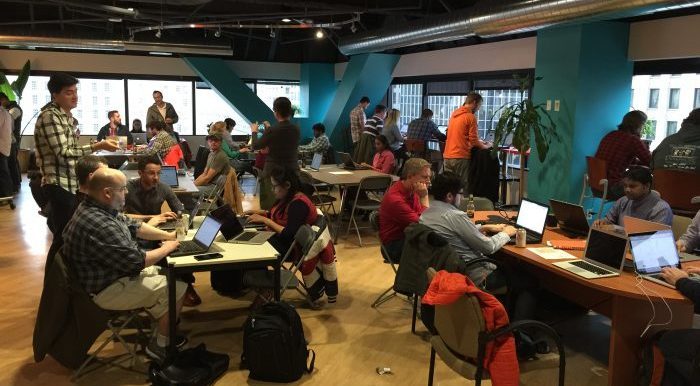
Seattle’s entrepreneurial infrastructure has evolved far beyond coffee shops and garage offices into a sophisticated ecosystem of incubators, accelerators, and co-working spaces that shape how startups form, grow, and either succeed or fail. The city’s tech boom has created demand for workspace that serves functions traditional offices never addressed—environments designed specifically for companies too established for kitchen tables but too young for five-year leases and buildouts. These spaces have become central to Seattle’s startup culture, functioning as networking hubs, talent pipelines, and visible markers of the city’s technology ambitions.
The WeWork Effect and Its Seattle Manifestation
WeWork’s arrival in Seattle during the mid-2010s transformed commercial real estate and workspace expectations across the city. Before WeWork, co-working meant utilitarian shared offices with basic amenities and month-to-month flexibility. WeWork brought design aesthetics, community programming, and venture capital-fueled expansion that made shared workspace aspirational rather than merely practical. The company’s Seattle locations—from Pioneer Square to South Lake Union—set standards for workspace quality and community features that forced competitors to elevate their offerings or fade into irrelevancy.
The company’s subsequent financial troubles and valuation collapse provided cautionary lessons about growth-at-all-costs mentality, but the workspace model survived the messenger’s downfall. Seattle’s co-working landscape now includes dozens of operators running hundreds of locations, each targeting specific niches WeWork’s broad approach missed. The market has segmented into luxury spaces for well-funded startups, budget options for bootstrapped founders, industry-specific hubs for biotech or hardware companies, and neighborhood-focused spaces serving local communities rather than transient tech workers.
WeWork’s struggles opened opportunities for local operators who understood Seattle’s specific culture and needs better than a New York-based unicorn. Regional operators expanded into spaces WeWork vacated, often negotiating favorable leases from landlords burned by the company’s retreat. These local operators brought Seattle sensibility—less flash, more function, and business models grounded in unit economics rather than speculative growth.
South Lake Union’s Transformation Into Startup Central
Amazon’s colonization of South Lake Union created both the demand for alternative workspace and the supply of former employees needing places to build their own ventures. The neighborhood’s transformation from low-rise light industrial area to high-rise tech campus happened so rapidly that supporting infrastructure struggled to keep pace. Early co-working spaces in South Lake Union served immediate needs—places for consultants, contractors, and aspiring founders to work near Amazon without paying Amazon-level office rents.
As the neighborhood matured, workspace offerings became more sophisticated. Incubators targeting specific technologies or industries established themselves in South Lake Union to access the talent pool Amazon created. Hardware accelerators located there to be near engineers who understood product development at scale. Enterprise software incubators chose South Lake Union for proximity to potential customers and advisors working at major tech companies.
The neighborhood’s density created networking effects impossible in more dispersed areas. Running into former colleagues, potential co-founders, or investors at lunch became routine rather than exceptional. This serendipity—the random collisions between people with complementary skills or aligned interests—justified South Lake Union’s premium workspace costs for many startups. The value wasn’t just the desk or conference room but access to an ecosystem where deals, partnerships, and hires happened through proximity and chance encounters.
South Lake Union’s workspace market has stratified by price and amenity level. Luxury co-working spaces offer espresso bars, craft beer on tap, and designer furniture alongside basic desks and internet. Budget options provide little beyond a secure desk and reliable wifi. The spread reflects broader startup funding dynamics—well-capitalized companies signal success through premium workspace while bootstrapped founders optimize for runway by minimizing occupancy costs.
Capitol Hill and the Creative Tech Convergence
Capitol Hill’s co-working spaces reflect the neighborhood’s identity—creative, slightly counterculture, and resistant to corporate aesthetics. The area attracts startups in gaming, digital media, music technology, and creative tools that align with the neighborhood’s artistic community. Workspace here tends toward converted lofts, vintage buildings with exposed brick, and aesthetics that emphasize character over polish.
These spaces foster different cultures than South Lake Union’s enterprise-focused environments. The startups working in Capitol Hill often pursue consumer applications, creative tools, or products targeting younger demographics. The neighborhood’s restaurants, bars, and music venues support after-hours networking that feels less transactional than South Lake Union schmoozing. Employees at Capitol Hill startups can walk to lunch at affordable restaurants rather than corporate cafeterias, work late without feeling isolated in a business district ghost town, and recruit talent attracted to the neighborhood’s culture.
Capitol Hill workspace operators curate communities more deliberately than larger co-working chains. Applications and interviews filter members, creating concentrations of companies in related fields or at similar stages. A space might focus on pre-seed consumer startups, another on established creative agencies, a third on nonprofit technology organizations. This curation builds communities where members actually collaborate, share resources, and provide meaningful feedback rather than merely occupying adjacent desks.
The neighborhood’s gentrification has complicated its relationship with creative tech. Rising rents price out the artists and musicians who created Capitol Hill’s culture, replacing them with tech workers whose presence further accelerates displacement. Co-working spaces participate in this dynamic, converting affordable industrial space into premium offices serving startups funded by venture capital. Some operators attempt to thread this needle through subsidized desks for artists or nonprofits alongside market-rate tech tenants, but these efforts rarely offset broader displacement pressures.
University District Incubators and Academic Connections
The University of Washington’s presence shapes the University District’s startup infrastructure profoundly. Incubators here maintain close relationships with UW’s research programs, technology transfer offices, and entrepreneurship centers. Many startups in U-District co-working spaces grew from university research projects, founded by professors commercializing their work or graduate students spinning out technologies developed during their studies.
CoMotion Labs, operated by UW’s innovation center, exemplifies academic-linked incubation. The space provides workspace, mentorship, and connections to university resources for startups commercializing UW research. This model offers advantages traditional incubators can’t match—access to laboratory equipment, relationships with faculty advisors, and pathways to licensing university intellectual property. Companies in CoMotion often pursue deep tech, life sciences, or hardware ventures requiring technical expertise and resources beyond typical software startups.
The University District supports an ecosystem of spaces targeting student entrepreneurs who lack the polish or funding to compete for space in more established incubators. These environments embrace the scrappiness and experimentation appropriate for first-time founders still learning fundamentals. Failure rates run high, but the educational value justifies the churn. Students gain real-world experience building companies, and the occasional success validates the model.
Proximity to UW creates talent advantages and challenges. Startups recruit students and recent graduates at lower salaries than they’d pay experienced engineers, but these hires require more training and supervision. The university’s academic calendar creates staffing cycles—students available during summers and reducing hours during term time. Companies working with these rhythms thrive, while those fighting them struggle with productivity and continuity.
Pioneer Square’s History and Reinvention
Pioneer Square’s role in Seattle’s tech ecosystem predates the current boom by decades. The neighborhood hosted dotcom-era startups in converted brick buildings that once served maritime and industrial functions. When the bubble burst, Pioneer Square’s startup scene contracted but never disappeared entirely. Companies that survived the crash remained, and the neighborhood’s historic architecture, relatively affordable rents, and proximity to downtown kept attracting new ventures.
The neighborhood’s rebirth as a startup hub accelerated during the 2010s as South Lake Union rents climbed beyond what early-stage companies could justify. Pioneer Square offered character, space, and rents that, while rising, remained below the city’s most expensive districts. Incubators and accelerators established themselves in Pioneer Square’s distinctive buildings, creating startup communities that valued the neighborhood’s grittier authenticity over South Lake Union’s corporate polish.
Pioneer Square workspace serves an older, more established startup demographic than Capitol Hill or the U-District. These aren’t college kids launching apps but rather experienced founders on their second or third venture, teams that have raised seed rounds and need professional environments for hiring and customer meetings. The neighborhood’s restaurants and proximity to stadiums support client entertainment and recruiting dinners that matter for B2B sales.
The area faces challenges from homelessness and public safety concerns that affect workspace decisions. Some startups avoid Pioneer Square despite attractive rents because employees feel unsafe walking from transit or parking. Workspace operators invest in security, lobby attendants, and well-lit entries to address these concerns, but perception problems persist and affect the neighborhood’s ability to compete for tenants.
Specialized Incubators for Biotech and Hardware
Seattle’s biotech and life sciences sector requires workspace fundamentally different from software companies. Wet labs, specialized equipment, and regulatory compliance demands mean biotech startups can’t simply rent desks in general co-working spaces. Specialized incubators like JLABS @ Seattle provide laboratory space, equipment access, and industry-specific mentorship for life sciences companies commercializing therapeutics, diagnostics, or medical devices.
These facilities represent significant capital investments—wet labs cost vastly more to build and operate than office space. The business model differs too, with longer tenancy periods reflecting biotech development timelines measured in years rather than software’s months. Companies stay in these incubators through multiple funding rounds, developing products that require FDA approval and extensive testing before generating revenue.
Hardware incubators address different challenges—prototyping equipment, manufacturing expertise, and supply chain connections. HAX Seattle and similar programs provide machine shops, 3D printers, electronics testing equipment, and mentors who’ve navigated contract manufacturing and scaling physical production. These resources prove essential for hardware startups that can’t iterate products as rapidly as software companies and face capital requirements that software ventures avoid.
Seattle’s aerospace and gaming hardware heritage means local expertise in building physical products, but the city lacks the manufacturing ecosystem of Shenzhen or even parts of California. Hardware incubators help bridge this gap, teaching founders about injection molding, PCB fabrication, and factory auditing while connecting them to Asian manufacturing partners when local production proves impractical.
The Accelerator Model and Milestone Capital
Accelerators differ from incubators in structure and objectives, operating cohort-based programs lasting three to six months and typically taking equity stakes in participating companies. Techstars Seattle represents the city’s most prominent accelerator, running multiple program tracks annually and providing funding, mentorship, and connections in exchange for equity. The accelerator model concentrates learning and networking into intense periods, forcing rapid progress that either accelerates company development or reveals fatal flaws before founders waste years pursuing unviable ideas.
Seattle’s accelerator landscape includes both generalist programs and industry-specific options targeting particular technologies or markets. Clean tech accelerators support companies addressing environmental challenges. Social impact accelerators work with startups pursuing mission-driven business models. Corporate accelerators operated by Amazon, Microsoft, and T-Mobile provide access to enterprise customers and technical resources in exchange for first looks at emerging technologies relevant to strategic interests.
The accelerator model has attracted criticism for relatively modest funding amounts, meaningful equity stakes, and mixed track records of company success. Critics argue that experienced founders don’t need accelerators and that inexperienced founders need more time than three months provides. Defenders counter that accelerators provide structure and accountability that founders struggle to create independently, and that the mentorship and network access justify equity costs.
Seattle companies graduating from accelerators face decisions about whether to remain local or relocate to San Francisco for easier access to venture capital. Accelerators have become testing grounds for whether Seattle can retain companies through growth stages or whether the city functions primarily as an incubator that feeds companies to coastal ecosystems with deeper capital markets.
The Economics of Co-working Space Operations
Operating co-working spaces profitably requires balancing occupancy rates, pricing, and amenities in ways that appear simple but prove challenging in practice. Operators lease commercial space at wholesale rates and sublease to members at markup, profiting from the spread while providing services and community features. This model works when occupancy remains high and members pay consistently, but struggles when economic downturns reduce demand or when members grow and relocate to dedicated offices.
Seattle’s commercial real estate market creates particular pressures. Office rents have risen steadily despite periodic corrections, squeezing co-working operators’ margins. Long-term leases required by most landlords expose operators to risk if demand falls—they’re committed to paying rent even when membership declines. The most successful operators negotiate flexible terms, shorter lease durations, or profit-sharing arrangements that align landlord and operator interests.
The pandemic devastated Seattle’s co-working sector as companies shifted to remote work and questioned the value of paying for workspace employees weren’t using. Occupancy rates collapsed, forcing operators to reduce prices, forgive rent, or close locations entirely. The sector’s recovery has been uneven, with premium locations rebounding faster than budget spaces and neighborhood locations outperforming downtown ones as workers resist commuting to central business districts.
Some operators have shifted toward longer-term private office rentals rather than hot desks and open seating, responding to demand for dedicated space with fewer people and more control over who enters. This pivot increases revenue per square foot but changes the community dynamics that made co-working attractive—more isolation, less serendipity, fewer random collisions between people working on complementary problems.
Community Building and Network Effects
The best co-working spaces and incubators succeed through community cultivation that extends beyond providing desks and wifi. They curate members carefully, introduce people making relevant connections, host events bringing in speakers and potential customers, and foster cultures where helping other members becomes normative rather than exceptional. This community building separates valuable workspace from mere real estate.
Seattle’s tech community tends toward pragmatism rather than evangelism, affecting how workspace communities function. Events focus on tactical knowledge sharing—how to structure sales compensation, which cloud providers offer the best value, how to approach enterprise procurement processes—rather than inspirational talks about changing the world. This practical orientation suits Seattle’s engineering culture but may lack the motivational intensity that energizes communities in other cities.
Diversity remains a persistent challenge across Seattle’s startup workspace ecosystem. The demographics skew heavily toward white and Asian males with technical backgrounds, reflecting broader problems in Seattle’s tech sector but also limiting the range of perspectives and experiences these communities offer. Some operators actively recruit women founders, people of color, and founders from non-traditional backgrounds, but these efforts fight powerful network effects where existing members refer people similar to themselves.
The quality of community management varies enormously between operators. The best employ dedicated community managers who know members’ businesses, make targeted introductions, and curate events matching member needs. Poorly managed spaces provide physical infrastructure without catalyzing meaningful connections, becoming expensive offices rather than vibrant communities.
Neighborhood Effects and Startup Geography
Where startups locate within Seattle reveals priorities and influences company culture, recruiting, and customer access. South Lake Union startups optimize for proximity to big tech talent and enterprise customers. Capitol Hill companies signal creative culture and consumer focus. Fremont and Ballard locations suggest hardware or manufacturing orientation. Georgetown appeals to companies needing industrial space for fabrication or fulfillment.
These geographic choices create self-reinforcing clusters. As more gaming companies locate in Capitol Hill, the neighborhood’s gaming expertise deepens, attracting more gaming talent and creating opportunities for cross-pollination between companies. South Lake Union’s enterprise software concentration similarly reinforces itself through talent density and customer proximity.
Remote work has weakened these geographic effects somewhat, allowing companies to recruit talent from anywhere and reducing the importance of physical proximity to customers or partners. However, in-person interaction still matters for relationship building, complex negotiations, and culture development. Companies that went fully remote during the pandemic have discovered challenges around culture maintenance and employee connection that drive some back toward physical offices, even if hybrid rather than full-time.
The Future of Seattle Workspace
Several trends will likely shape Seattle’s workspace ecosystem over coming years. The shift toward hybrid work creates demand for flexible arrangements—spaces that accommodate teams gathering occasionally rather than daily. Operators who master this model, providing high-quality space without requiring consistent full-time occupancy, will thrive.
Specialization will probably increase, with more spaces targeting specific industries, company stages, or demographic groups. General-purpose co-working faces commoditization pressure as the model matures. Differentiation through community, services, or amenities becomes essential for commanding premium pricing.
Sustainability features will matter more to environmentally conscious Seattle companies and workers. Workspace operators investing in green building certifications, renewable energy, sustainable materials, and urban density aligned with climate goals will attract companies and employees who prioritize environmental responsibility.
The relationship between workspace and venture capital may tighten, with some investors operating co-working spaces to gain deal flow and proximity to emerging companies. This arrangement creates potential conflicts of interest but also aligns incentives around company success and provides early warning signs when portfolio companies struggle.
Seattle’s workspace ecosystem has matured from scrappy beginnings into sophisticated infrastructure supporting thousands of startups and tens of thousands of workers. The model has proven resilient through economic cycles, technology shifts, and the pandemic’s disruptions. These spaces have become essential features of Seattle’s startup landscape, shaping how companies form, grow, and either succeed spectacularly or fail fast and learn from the experience. As Seattle’s technology sector evolves, its workspace infrastructure will evolve alongside it, reflecting and enabling whatever comes next in the city’s endless cycle of creative destruction and entrepreneurial ambition.