Washington State has quietly become the nation’s second-largest wine producer, trailing only California in output while carving out a reputation for quality that rivals any wine region on earth. The Columbia Valley’s 300 days of sunshine, volcanic soils deposited by ancient floods, and dramatic temperature swings between day and night have created conditions that produce world-class Cabernet Sauvignon, Syrah, Merlot, and Riesling. But here’s the secret that Seattle wine lovers have been keeping: you don’t need to drive four hours across the Cascades to experience Washington’s wine country. The tasting room has come to the city.
Over the past decade, Seattle has transformed into an urban wine destination, with tasting rooms scattered across neighborhoods from Pioneer Square to Georgetown to SoDo. A 2017 Washington state law that increased the permitted number of off-site tasting rooms from two to four accelerated this transformation, and winemakers have responded by bringing their bottles closer to where the drinkers actually live. The result is a city where serious wine education can happen on a weeknight after work, where discovering your new favorite producer requires a 15-minute Uber rather than a weekend expedition.
Understanding Washington Wine: The Foundation
Before diving into where to taste, understanding what makes Washington wine distinctive helps frame the experience. Nearly all of Washington’s wine grapes grow east of the Cascade Mountains, in a high desert landscape that couldn’t be more different from Seattle’s perpetual greenery. The Columbia Valley AVA encompasses nearly 11 million acres and produces 99 percent of the state’s wine, with smaller sub-appellations like Walla Walla Valley, Red Mountain, Horse Heaven Hills, and Yakima Valley offering increasingly specific terroir expressions.
The latitude matters. Washington’s vineyards sit between the 46th and 47th parallels, roughly equivalent to Bordeaux and Burgundy in France. But the comparison stops there. Washington’s continental climate—protected from Pacific moisture by the Cascades—creates longer summer days with more sunlight hours than California receives. Grapes ripen slowly and thoroughly, developing complex flavors while maintaining the acidity that gives wines structure and ageability.
Cabernet Sauvignon leads plantings, producing wines with dark fruit, firm tannins, and often a distinctive mineral character that reflects the volcanic and basalt-heavy soils. Merlot, once unfairly maligned, thrives here with plush fruit and velvety textures. Syrah from Washington has earned international recognition, particularly from cooler sites that produce wines with savory, meaty notes alongside dark fruit. And Riesling—dry, off-dry, or sweet—demonstrates Washington’s versatility with white grapes, offering citrus, stone fruit, and that telltale steely acidity.
The diversity is staggering. More than 80 different grape varieties grow across Washington’s vineyards, from mainstream Chardonnay to obscure Carménère, from aromatic Viognier to punchy Grenache. This variety means tasting in Seattle can feel like traveling through multiple wine regions in a single afternoon.
Woodinville: Seattle’s Wine Country Neighbor
Thirty minutes northeast of downtown, Woodinville has established itself as Seattle’s most convenient wine destination. The town hosts over 130 wineries and tasting rooms representing every growing region in the state, concentrated into four distinct districts that can be explored on foot or by car.
The Hollywood District
The Hollywood District anchors Woodinville’s wine scene, home to the historic Chateau Ste. Michelle estate that essentially launched Washington’s modern wine industry. The winery’s 87-acre grounds feature sweeping lawns, summer concert series, and a tasting room that pours everything from their excellent $12 Dry Riesling—arguably the best value in American wine—to library selections that demonstrate how well Washington wines age.
Across the street, the Columbia Winery occupies another landmark property, while nearby DeLille Cellars has relocated to a sweeping new facility in the former Redhook brewery. DeLille’s Bordeaux-style blends have earned critical acclaim for three decades, and their new space—complete with third-floor patio for wine club members—matches the ambition of the wines themselves.
The Hollywood District suits visitors seeking a more traditional wine country experience: manicured grounds, spacious tasting rooms, and wines that have earned decades of critical recognition. It’s also where you’ll find destination dining at places like the Herbfarm, if you want to transform a tasting trip into a full culinary experience.
The Warehouse District
Everything the Hollywood District is, the Warehouse District is not. This pocket of industrial buildings houses more boutique wineries per square foot than perhaps any wine region in the world. The aesthetic runs utilitarian—exposed beams, concrete floors, converted loading docks—but the wines are anything but rough around the edges.
This is where winemakers without generational wealth or corporate backing come to make their mark. Mark McNeilly of Mark Ryan Winery crafts consistently excellent red blends with hefty tannic structures. Gorman Winery’s Chris Gorman decorates his tasting room with guitars you can actually play, matching his rock-and-roll aesthetic to decadent Red Mountain reds. Guardian Cellars, started by a police officer who spent his off-hours volunteering at wineries, epitomizes Woodinville’s accessible spirit: luscious, fruit-filled wines served by people genuinely excited to share them.
The Warehouse District rewards walking. Park once and visit half a dozen producers, comparing styles and building relationships with the small teams who pour. Weekend afternoons bring crowds, but weekday visits often mean intimate conversations with the winemakers themselves.
Passport to Taste
Woodinville Wine Country offers various tasting passes that provide structure for visits and often include discounts or waived tasting fees. The Passport to Taste program has become wildly popular, offering access to multiple wineries at reduced rates. For first-timers especially, these passes help navigate the sheer number of options and ensure you don’t miss hidden gems in pursuit of familiar names.
Urban Wineries: Seattle’s Growing Scene
The most dramatic development in Seattle wine culture has been the explosion of urban wineries—production facilities and tasting rooms operating within city limits. Seattle Urban Wineries, a collective of more than 20 boutique producers, represents this movement, with members scattered across Georgetown, SoDo, West Seattle, and neighborhoods throughout the city.
SoDo Urbanworks
The epicenter of Seattle’s urban wine scene occupies a former industrial complex just south of downtown. SoDo Urbanworks houses roughly ten tasting rooms sharing communal space, with former loading docks converted into patios where visitors can taste wines from multiple producers without leaving the building.
Sleight of Hand Cellars brings Walla Walla swagger to the city, with everything from Syrah to Riesling to Rosé earning acclaim. Winemaker Trey Busch’s love of music permeates the space, with photos of famous musicians lining walls and tasting notes that read like album reviews. Latta Wines, founded by Andrew Latta after his tenure at K Vintners and Charles Smith Wines, pours rich, vivid wines focused on single vineyards—his Lawrence Vineyards Roussanne consistently ranks among Washington’s best whites.
Structure Cellars co-owner Brian Grasso brings a fine-dining background to winemaking, crafting bottles specifically designed to complement food. The tasting room’s minimalist aesthetic includes heaters and firepits for cooler days, and the wines deliver freshness that makes them versatile companions for dinner rather than statement pieces demanding attention on their own.
Cairdeas Winery, whose name is Irish Gaelic for friendship, opened their SoDo location in 2023 after establishing their Lake Chelan winery. The Rhône-inspired wines—Viognier, Grenache, Syrah blends—pair beautifully with the light bites offered in the cozy urban space. It’s the kind of place where you settle in for an afternoon rather than rushing through a flight.
Georgetown and Beyond
Georgetown has developed its own wine identity, distinct from SoDo but equally compelling. Cloudlift Cellars owner Tom Stangeland—a furniture maker by day—has been producing impeccably crafted wines from the same location for over 17 years. His Bordeaux and Rhône-style blends demonstrate that longevity in this business comes from quality rather than marketing. The tasting room is modest, the wines anything but.
House of Smith Jet City represents a different model entirely. Charles Smith, one of Washington’s most successful and attention-grabbing winemakers, moved some of his small-lot labels to this sleek Georgetown facility to get his most exciting wines in front of Seattle audiences who might not make the trip to his Eastern Washington operations. The space matches Smith’s maximalist aesthetic, and the wines—particularly the single-vineyard Syrahs—justify the showmanship.
Tinte Cellars operates locations in both Woodinville and Georgetown, with the Seattle tasting room offering extended evening hours that make weeknight visits practical. The family-owned winery combines passion for Washington wine with community engagement, hosting weekly events ranging from vinyl nights to food pairings.
Patterson Cellars, with over 25 years of Washington winemaking history, brings wine country to their modern SoDo space complete with outdoor seating and curated food and wine experiences. Their diverse portfolio—robust red blends, elegant single varietals, sparkling wines—offers something for every palate, and their chocolate pairing experience with jcoco has become a local favorite.
Downtown and Pioneer Square Tasting Rooms
For visitors staying downtown or seeking wine without the trek to industrial districts, several excellent options have established themselves in the city’s heart.
Browne Family Vineyards
The Browne Family Vineyards tasting room occupies the striking 1906 Seller Building in Pioneer Square, designed by famed architect A. Warren Gould. The space’s dark wood, antique brass lighting, and leather seating create a warm refuge from urban bustle, and the location—ten minutes walking from the stadiums—makes it ideal for pre-game or post-game visits.
The wines themselves come from Eastern Washington vineyards, with the portfolio spanning reds, whites, and even spirits. Their whiskey recently won USA Today’s 10Best Readers’ Choice Award for Best Craft Whiskey, demonstrating the family’s ambition beyond wine. Season ticket holders for Seattle sports teams receive significant discounts, cementing the connection between the tasting room and its neighborhood.
Wines of Washington Tasting Room
Tucked into Pike Place Market’s Post Alley, the Wines of Washington Tasting Room represents eight boutique Washington wineries where the focus is on small-lot, hand-crafted wines. The location makes it accessible to tourists and locals alike, and the curated selection means every pour has been vetted for quality.
The intimate space hosts jazz series, special events with visiting winemakers, and regular tastings that rotate through the participating wineries’ portfolios. For visitors who can’t decide where to start with Washington wine, this tasting room provides an excellent survey of styles and regions without leaving the Market area.
Taste Washington: The Annual Celebration
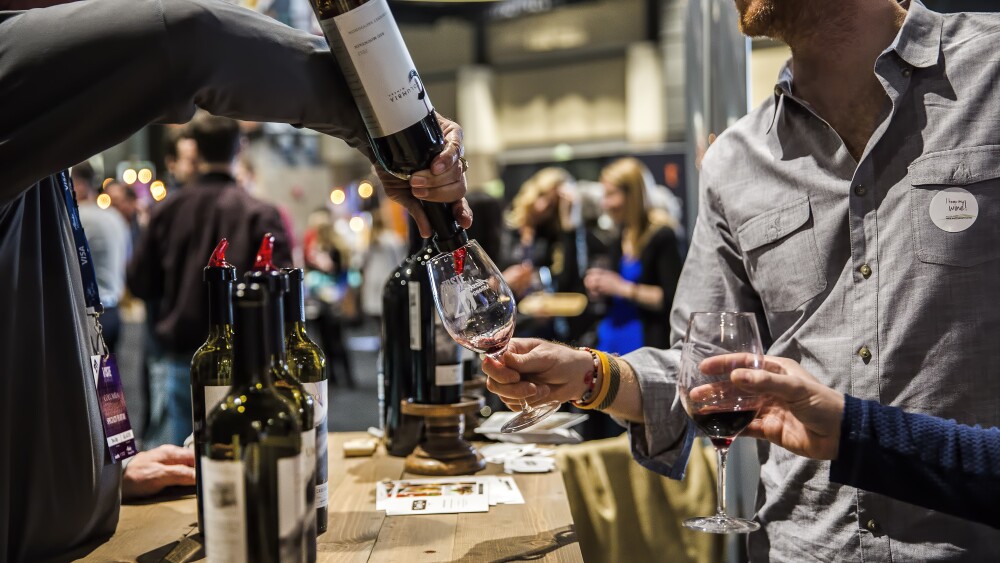
For one weekend each March, Seattle transforms into the wine capital of the Pacific Northwest. Taste Washington brings together over 200 wineries and 80 restaurants at Lumen Field Event Center for a Grand Tasting that showcases the breadth and depth of Washington wine production.
The 2025 edition celebrated the event’s 25th anniversary with its most impressive lineup yet, featuring wines from across the state’s diverse terroirs—Columbia Valley, Red Mountain, Walla Walla Valley, Horse Heaven Hills, Ancient Lakes, Yakima Valley, and beyond. The Grand Tasting functions as a wine lover’s fantasy camp, with hundreds of pours available across two days alongside food from acclaimed Pacific Northwest restaurants.
Beyond the Grand Tasting, Taste Washington includes Pacific Standard, focusing on seafood and Washington’s whites, rosés, and sparkling wines; The New Vintage, a late-night Friday event featuring innovative chefs and prestigious wineries; and expert-led seminars exploring specific aspects of Washington wine production and history.
For serious wine enthusiasts, the seminars offer deep dives with Masters of Wine, Master Sommeliers, and legendary winemakers. Past sessions have included historic tastings of Washington’s finest Cabernets, explorations of the state’s evolving white wine styles, and blind tastings designed to challenge assumptions about what Washington wines can achieve.
Planning Your Wine Tastings
Approaching Seattle’s wine scene requires some strategy to maximize enjoyment without overwhelming your palate or your schedule.
Start with a Focus
With so many options available, trying to taste everything guarantees tasting nothing well. Consider focusing on a specific region (Walla Walla wines only), a particular variety (Washington Syrah comparison), or a style (Bordeaux blends versus Rhône blends). This approach helps develop your palate for specific characteristics and makes comparisons meaningful.
Time Your Visits
Woodinville weekends can get crowded, particularly on sunny days when everyone in Seattle seems to have the same idea. Weekday visits, especially to the Warehouse District, offer more intimate experiences and better opportunities for conversation with tasting room staff. Urban wineries in SoDo and Georgetown tend to be mellower overall, with evening hours that accommodate after-work tastings.
Consider Transportation
Washington’s DUI laws are strict, and wine tasting involves drinking. Designate a driver, use rideshare services, or book one of the many wine tour companies that operate in the region. Several tour operators specialize in Woodinville visits, providing transportation between multiple wineries and often including food stops.
Take Notes
The wines will blur together without documentation. Most tasting rooms provide cards or pamphlets describing each pour—save these. Better yet, use a wine app or simple notes system to record what you tasted, what you thought, and whether you’d buy it again. Building this personal database transforms casual tasting into genuine wine education.
Join Wine Clubs Selectively
Every winery will encourage you to join their wine club, and the benefits—discounts, exclusive releases, complimentary tastings—are real. But joining too many clubs means bottles arriving faster than you can drink them and membership fees accumulating. Start slowly, and join only the clubs whose wines genuinely excite you.
The Value Proposition
Washington wine offers exceptional value relative to comparable quality from California or international regions. Bottles that would command $75 in Napa often sell for $35-45 from Washington producers, and entry-level wines from quality producers frequently over-deliver for their price point.
Chateau Ste. Michelle’s Dry Riesling remains the state’s greatest value at around $12—bone dry, beautifully balanced, and versatile with food. DeLille’s D2 Bordeaux blend, typically around $40, competes with wines at twice the price. And throughout the urban winery scene, producers price their bottles accessibly because they’re selling direct to consumer without distributor markups.
This value extends to the tasting experience itself. Where Napa tasting fees routinely exceed $50 per person, Washington tasting rooms typically charge $15-25, often waived with purchase. The economics simply work better for the consumer here, which means more exploration for the same budget.
The Future of Seattle Wine
The direct-to-consumer model that has fueled Seattle’s tasting room expansion shows no signs of slowing. New producers continue opening urban facilities, and established wineries keep adding satellite locations closer to where their customers live. The pandemic accelerated this trend, demonstrating that wineries could thrive selling direct rather than relying on restaurant and retail distribution.
For wine lovers, this evolution means unprecedented access. Wines that once required pilgrimages to Eastern Washington or allocation-only waiting lists now pour in accessible tasting rooms throughout Seattle. The winemaker who crafted your favorite bottle might be standing behind the bar, ready to explain their process and pour something experimental that hasn’t hit the market yet.
Seattle has always been a city that punches above its weight culturally—in coffee, in technology, in dining. Wine has now joined that list. The combination of world-class producers, accessible urban tasting rooms, and an audience eager to learn has created something special. Whether you’re a curious beginner or a serious collector, the wines of Washington are waiting, and you don’t have to leave the city to find them.