Seattle is a city brimming with life, from its thriving coffee culture to its tech-driven pulse and iconic waterfronts. But sometimes, the urban energy calls for a weekend escape. Fortunately, the Pacific Northwest is a playground for short getaways, offering mountains, beaches, quaint towns, and cultural hubs—all within a few hours’ drive from the Emerald City. This guide will explore a mix of outdoor adventures, charming escapes, and hidden gems, perfect for a weekend retreat.
1. Snoqualmie and North Bend: Nature’s Backyard
Snoqualmie and North Bend feel like Seattle’s pressure valve—a place where city noise fades quickly into forest air, rushing water, and mountain silhouettes. Located just 30–45 minutes east of the city, these towns are close enough for spontaneity yet immersive enough to feel like a true escape.
Snoqualmie Falls and the Valley Experience
Snoqualmie Falls is more than a scenic stop; it’s a defining landmark of the region. At 268 feet tall, the waterfall roars year-round, fed by snowmelt and seasonal rains. Well-maintained viewing platforms offer perspectives from above and below, while a short forested trail leads down to the river’s edge for a quieter, more contemplative view. Early mornings and weekdays offer the most peaceful experience, often wrapped in mist that gives the area a cinematic feel.
Beyond the falls, the Snoqualmie Valley unfolds in rolling farmland, rivers, and wooded corridors. The Snoqualmie Valley Trail, stretching more than 30 miles, passes through open fields, wetlands, and small communities. It’s ideal for cycling, walking, or horseback riding, with flat terrain and expansive views that change dramatically with the seasons—from bright green spring fields to golden autumn hues.
North Bend: Trails, Town, and Pop Culture
North Bend leans slightly more rugged, framed by the dramatic peaks of Mount Si, Mount Teneriffe, and Rattlesnake Ridge. The town serves as a base camp for hikers, climbers, and trail runners who treat the surrounding mountains as a weekend ritual.
The Mount Si Trail is the crown jewel. This 8-mile round-trip hike is steep and demanding, climbing through dense forest before opening onto rocky viewpoints with sweeping valley vistas. On clear days, the reward includes views stretching all the way toward the Cascade foothills. For those seeking something less strenuous, Rattlesnake Ledge offers a shorter hike with a dramatic payoff overlooking Rattlesnake Lake.
North Bend’s connection to Twin Peaks adds a layer of cultural intrigue. Fans often seek out filming locations and local diners that inspired the show’s iconic aesthetic. Even for visitors unfamiliar with the series, the town’s cafes, bakeries, and small breweries create a welcoming atmosphere rooted in local pride.
Accommodations range from rustic cabins and riverfront lodges to cozy bed-and-breakfasts. Evenings often end with a relaxed meal, a local craft beer, and the quiet satisfaction of a day spent outdoors.
2. Leavenworth: Bavarian Charm in the Cascades
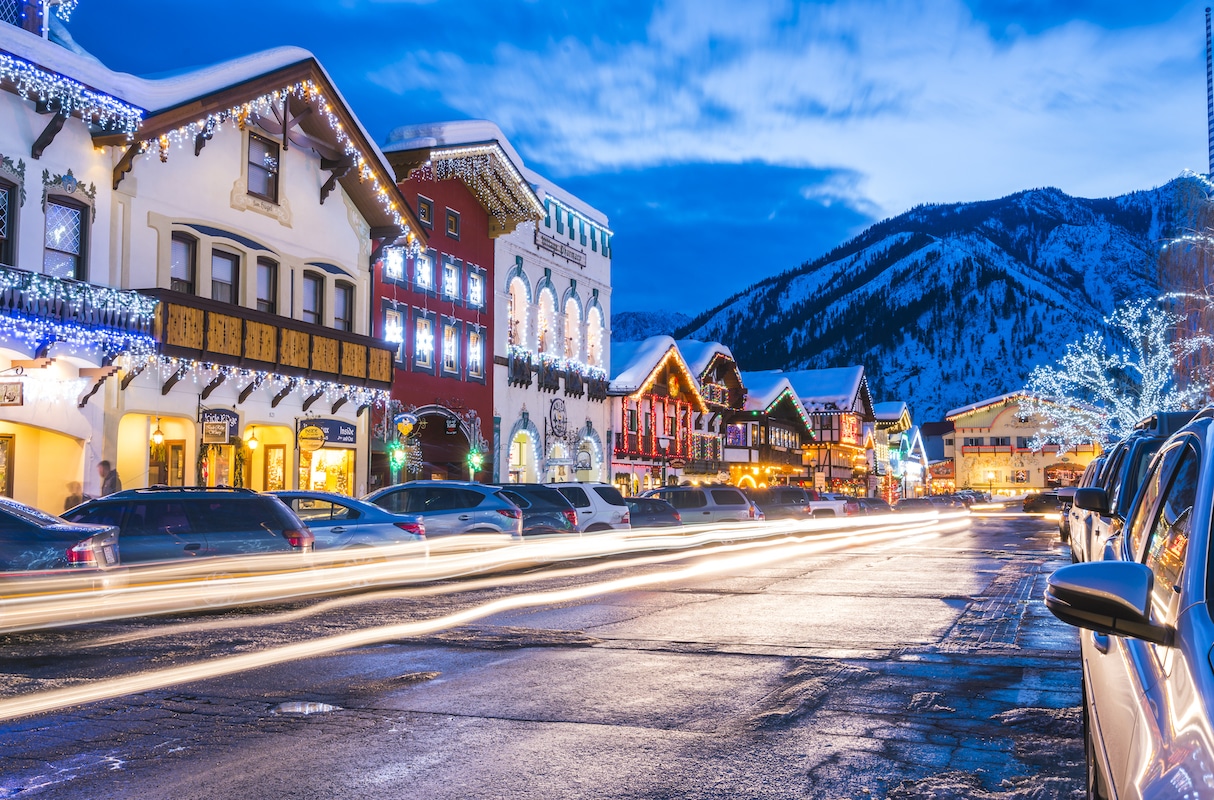
Leavenworth is one of Washington’s most distinctive destinations—a town that fully committed to reinvention and emerged as a year-round attraction. Set against the dramatic backdrop of the Cascade Mountains, it blends alpine scenery with Old World European flair.
A Town Built on Atmosphere
The Bavarian theme extends far beyond surface-level design. Timber-framed buildings, flower-filled balconies, and painted murals line the streets, creating a cohesive and immersive environment. Shops sell everything from nutcrackers and handmade ornaments to outdoor gear and local art. Bakeries turn out pretzels, strudels, and pastries that fill the air with warm, sweet aromas.
The walkable downtown encourages slow exploration. Beer gardens invite lingering afternoons, while wine tasting rooms highlight Washington’s growing reputation for quality vintages. The Wenatchee River runs alongside town, adding a natural rhythm to the otherwise festive setting.
Outdoor Adventure, Every Season
Leavenworth is also a major gateway to outdoor adventure. In warmer months, hiking trails radiate outward in all directions. Icicle Gorge offers accessible paths along rushing water, while Colchuck Lake delivers a challenging hike culminating in one of the most stunning alpine lakes in the state, framed by jagged peaks.
Winter transforms the region entirely. Snow blankets the town and surrounding forests, turning Leavenworth into a storybook setting. Visitors flock in for snowshoeing, cross-country skiing, sledding, and nearby downhill skiing. The Christmas Lighting Festival enhances the seasonal magic, drawing travelers from across the region.
Leavenworth’s festivals—especially Oktoberfest—reinforce its identity as a cultural destination. Traditional music, folk dancing, and hearty Bavarian cuisine create an atmosphere that feels celebratory without losing its Pacific Northwest roots. The town works equally well for romantic weekends, family trips, and group getaways.
3. Whidbey Island: Coastal Serenity
Whidbey Island offers a gentle shift in tempo. Reached by ferry or bridge, it immediately feels more open, quieter, and deeply connected to land and sea. Long stretches of shoreline, working farms, and small towns define the island’s character.
Deception Pass and the Natural Landscape
Deception Pass State Park is the island’s most dramatic feature. Towering cliffs drop into churning turquoise water, while the iconic bridge provides one of the most photographed views in Washington. Below, hiking trails weave through old-growth forest and along rocky beaches dotted with driftwood and tide pools.
The park is ideal for short hikes, kayaking, and wildlife viewing. Seals, porpoises, and bald eagles are common sightings, reinforcing the sense that this is a place where nature remains central to daily life.
Langley and Coupeville: Towns with Distinct Personalities
Langley, on the island’s southern end, carries an artistic, bohemian energy. Galleries, independent bookstores, and locally owned cafes line its streets. The waterfront park provides sweeping views of Saratoga Passage, and whale sightings are not uncommon from shore.
Coupeville, one of Washington’s oldest towns, feels grounded in history. Its wooden pier and preserved buildings reflect the island’s maritime past. The town is also known for its culinary scene, especially mussels harvested from nearby Penn Cove. Dining here emphasizes fresh, local ingredients, often paired with regional wines and ciders.
Whidbey Island excels at offering variety without rush—morning beach walks, afternoon browsing, and evenings defined by sunsets and quiet conversations.
4. San Juan Islands: A Water-Centric Escape
The San Juan Islands deliver one of the most distinct weekend experiences in the Pacific Northwest. Surrounded by calm inland seas and shaped by maritime culture, the islands emphasize connection—to water, wildlife, and slower rhythms.
Friday Harbor and Island Life
Friday Harbor acts as the cultural and logistical heart of San Juan Island. The town is compact yet lively, with waterfront restaurants, boutique shops, and small museums celebrating local history and ecology. The harbor itself is always active, with ferries, sailboats, and kayaks moving through its protected waters.
Whale watching is a major draw. Guided boat tours offer opportunities to see orcas, humpbacks, and minke whales in their natural habitat. On land, Lime Kiln Point State Park provides one of the best shore-based whale-watching locations in the world, with interpretive displays explaining the region’s marine ecosystem.
Outdoor Exploration and Lodging
Kayaking is one of the most immersive ways to experience the islands. Paddling along quiet coves and rocky shorelines reveals sea lions, seabirds, and kelp forests beneath clear water. Cycling routes wind through rolling hills, farmland, and coastal viewpoints, making the islands particularly appealing to active travelers.
Accommodations lean toward intimate and scenic—waterfront cabins, historic inns, and eco-conscious lodges. Evenings are quiet, often spent watching the light shift across the water or enjoying fresh seafood sourced just miles away.
5. Olympic National Park: Diverse Landscapes in One Spot
Olympic National Park stands apart for its sheer diversity. Few places in the United States offer such dramatic ecological range within a single park—from rainforest to alpine tundra to wild coastline.
Rainforests, Ridges, and Beaches
The Hoh Rain Forest is one of the park’s most iconic areas. Massive spruce and maple trees tower overhead, their branches draped in moss and lichen. The forest floor is dense with ferns and fungi, creating a lush environment that feels ancient and untouched. Trails here are relatively easy, making them accessible while still deeply immersive.
At higher elevations, Hurricane Ridge reveals an entirely different landscape. Open meadows, rocky peaks, and sweeping vistas dominate the scene. On clear days, views extend across the Olympic Mountains and beyond. The area offers short trails for casual walkers and longer routes for seasoned hikers.
Along the coast, Rialto Beach and Second Beach showcase the park’s raw, untamed edge. Sea stacks rise from the surf, driftwood lines the shore, and tide pools teem with marine life. These beaches feel powerful and elemental, shaped by constant wind and waves.
Planning and Staying Overnight
Visiting Olympic National Park requires thoughtful planning due to its size and varied terrain. Travel times between locations can be significant, but the reward is an unmatched range of experiences within a single weekend. Lodging options include rustic cabins, historic lodges, and small inns in nearby towns like Forks and Port Angeles.
A weekend here offers immersion rather than escape—time spent fully present in landscapes that feel vast, quiet, and profoundly alive.
6. Port Townsend: Victorian Elegance by the Water
Port Townsend feels preserved in time, a coastal town where maritime history and architectural grandeur coexist with a quietly creative present. Located at the northeastern edge of the Olympic Peninsula, the town developed rapidly in the late 19th century, leaving behind an unusually rich collection of Victorian-era buildings that still define its streetscape today.
A Town Shaped by History and Art
Downtown Port Townsend is a walkable showcase of brick facades, ironwork balconies, and grand storefronts that once served as banks, hotels, and trading houses. Many of these buildings now house independent bookstores, artisan shops, galleries, and cafes, giving the town a distinctly cultured yet relaxed feel. The pace is unhurried, encouraging visitors to wander, linger, and notice the details.
The Jefferson Museum of Art & History, housed in a former city hall, offers insight into the town’s past as a bustling maritime hub. Rotating exhibitions highlight both local artists and regional history, while the building itself stands as an architectural landmark.
Maritime Roots and Waterfront Life
Port Townsend’s identity remains closely tied to the sea. The waterfront bustles with sailboats, fishing vessels, and historic ships, reinforcing the town’s reputation as a haven for sailors. The Port Townsend Marine Science Center provides hands-on exhibits focused on marine ecosystems and conservation, appealing to families and curious travelers alike.
The town hosts a rich calendar of festivals celebrating craftsmanship, music, and literature. Events such as wooden boat festivals and writers’ conferences attract enthusiasts from across the region, reinforcing Port Townsend’s status as both a working harbor and a cultural destination.
Nature Just Beyond Town
Beyond the historic center, outdoor opportunities abound. Fort Worden State Park, located just minutes from downtown, offers forested trails, coastal bluffs, and sweeping views of Puget Sound. The park’s decommissioned military structures add a layer of intrigue to hikes and beach walks. Scenic drives along the peninsula reveal quiet coves, beaches, and farmland, making Port Townsend an ideal blend of culture, history, and coastal nature.
7. Mount Rainier National Park: Iconic Peaks Close to Home
Mount Rainier is more than a mountain—it’s a defining presence. Rising to 14,410 feet, it dominates the horizon from much of western Washington and serves as the centerpiece of one of the region’s most beloved national parks. Just two hours from Seattle, it offers an immersive wilderness experience without requiring extensive travel.
Summer Meadows and Alpine Beauty
During the warmer months, areas like Paradise and Sunrise come alive with wildflowers. Subalpine meadows burst with color, attracting photographers, botanists, and hikers from around the world. Trails range from gentle paved paths to challenging backcountry routes, all offering close-up views of glaciers, waterfalls, and rugged ridgelines.
Paradise is particularly well-known for its accessibility and dramatic scenery, while Sunrise—the highest point reachable by vehicle in the park—delivers expansive views across the Cascades on clear days.
Winter Adventures and Quiet Beauty
In winter, Mount Rainier transforms into a snow-covered landscape ideal for snowshoeing and cross-country skiing. The park remains accessible year-round, though conditions can be unpredictable, adding an element of adventure. Winter visits are quieter, offering a more contemplative experience of the park’s forests and frozen waterfalls.
Where to Stay and Refuel
Nearby towns such as Ashford and Enumclaw provide a range of accommodations, from rustic lodges and cabins to comfortable inns. Local restaurants focus on hearty, satisfying meals designed to refuel travelers after long days on the trail. Mount Rainier offers the rare combination of accessibility, grandeur, and diversity, making it suitable for both first-time visitors and seasoned explorers.
8. Leavenworth Alternative: Stevens Pass and Lake Wenatchee
For travelers who love the Cascades but prefer a quieter experience, Stevens Pass and Lake Wenatchee offer a compelling alternative to Leavenworth’s busy core. Located along Highway 2, this region emphasizes raw landscape over themed streets, appealing to those seeking solitude and outdoor immersion.
Stevens Pass: A Year-Round Playground
Stevens Pass is best known as a winter sports destination, drawing skiers and snowboarders from across the state. Its steep terrain and reliable snowfall make it a favorite among experienced riders. When the snow melts, the area transitions seamlessly into a summer recreation hub, with trailheads leading to alpine lakes, wildflower meadows, and high ridges.
Hiking, trail running, and mountain biking dominate the warmer months, with routes that range from family-friendly to physically demanding. The pass’s elevation ensures cooler temperatures, making it especially appealing during peak summer heat.
Lake Wenatchee: Calm Waters and Open Space
Just east of Stevens Pass lies Lake Wenatchee, a broad, glacial-fed lake surrounded by forested hills and open skies. The lake is ideal for kayaking, paddleboarding, swimming, and fishing, with ample space to spread out and enjoy the scenery without crowds.
State parks and campgrounds around the lake provide picnic areas, beach access, and scenic viewpoints. Cabins and vacation rentals cater to families and small groups, offering a peaceful base for exploring the surrounding area. A weekend here strikes a balance between active adventure and restorative downtime.
9. Woodinville Wine Country: Sip and Savor
Woodinville offers a refined escape without the need for long travel. Located just 30 minutes northeast of Seattle, it has become the heart of Washington’s wine scene, hosting a remarkable concentration of tasting rooms, distilleries, and breweries.
A Destination for Wine Lovers
Unlike traditional wine regions, Woodinville’s tasting rooms are clustered in walkable districts, making it easy to sample a wide range of styles in a single visit. Chateau Ste. Michelle, the state’s oldest winery, anchors the area with manicured grounds, guided tours, and large-scale tastings. Its summer concert series adds a cultural element to the experience.
Smaller boutique wineries focus on limited-production wines, often with winemakers on-site to discuss techniques and terroir. This intimacy appeals to both casual drinkers and serious enthusiasts.
Dining and Events
Woodinville’s culinary scene complements its beverages. Farm-to-table restaurants emphasize seasonal ingredients, while casual bistros and food trucks provide relaxed options between tastings. Many wineries host live music, winemaker dinners, and seasonal events, creating a lively yet polished atmosphere.
Woodinville works particularly well for couples’ getaways, celebrations, or small group trips, offering indulgence and sophistication without sacrificing convenience.
10. Leavenworth for Outdoor Festivals: Seasonal Highlights
Leavenworth’s appeal shifts dramatically with the seasons, and its festivals are central to that transformation. Each event reflects the town’s commitment to celebration, community, and alpine tradition.
Winter Magic and Holiday Traditions
The Christmas Lighting Festival is Leavenworth’s most iconic event. As daylight fades, thousands of lights illuminate the town’s Bavarian facades, creating a festive atmosphere that draws visitors throughout the winter season. Carolers, seasonal treats, and snow-dusted streets reinforce the town’s reputation as a holiday destination.
Autumn Colors and Cultural Celebration
In fall, the Autumn Leaf Festival celebrates harvest and seasonal change. Parades, craft markets, and live music highlight local traditions, while the surrounding hillsides glow with autumn color. The festival offers a quieter, more relaxed counterpart to summer crowds, making it an ideal time to visit.
These seasonal events elevate Leavenworth beyond a scenic town, turning it into a dynamic destination where culture, nature, and celebration intersect throughout the year.
11. Lake Chelan: Waterside Retreats
Lake Chelan feels expansive in a way that surprises first-time visitors. Stretching more than 50 miles through central Washington, it is one of the longest and deepest lakes in the country, with strikingly clear water that reflects the surrounding hills, vineyards, and open sky. The drive from Seattle crosses the Cascades and gradually opens into a sunnier, drier landscape, signaling a shift in pace and atmosphere.
Life on the Water
Water defines the Lake Chelan experience. During the warmer months, the lake becomes a playground for boaters, swimmers, and paddlers. Calm mornings are ideal for paddleboarding or kayaking along the shoreline, while afternoons bring sailboats and watercraft gliding across the lake’s broad surface. Several public beaches and waterfront parks offer easy access for families and casual visitors who prefer to stay close to shore.
Fishing is also popular, with anglers drawn to the lake’s reputation for trout and other cold-water species. Scenic boat tours provide a relaxed way to explore the lake while learning about its geology and history.
The Town of Chelan and Beyond
The town of Chelan serves as the lake’s social and commercial center. Its downtown area features boutique shops, tasting rooms, and restaurants with patios overlooking the water. Dining here emphasizes fresh ingredients, regional wines, and a relaxed, resort-like atmosphere that encourages lingering meals.
Wine lovers will find numerous wineries and vineyards scattered throughout the Chelan Valley, producing varietals that benefit from the region’s warm days and cool nights. Many wineries offer tastings with sweeping lake views, making them destinations in their own right.
A Year-Round Destination
Summer is Lake Chelan’s most active season, filled with festivals, outdoor concerts, and family-friendly events. Winter, by contrast, brings a quieter charm. Crowds thin, accommodations become more intimate, and the surrounding hills invite scenic hikes and peaceful walks. Cozy cabins and lakeside lodges turn Lake Chelan into a restorative retreat when the water lies calm and reflective.
12. Hood Canal: Seaside Calm
Hood Canal is one of Washington’s best-kept secrets—a long, narrow inlet that feels worlds away from city life despite being just a couple of hours from Seattle. Shaped like a fjord, the canal’s steep forested shores and glassy water create a sense of enclosure and calm.
A Landscape Defined by Water
The canal’s protected waters make it ideal for kayaking and paddleboarding, especially for those seeking gentle conditions and close encounters with marine life. Seals, herons, and bald eagles are frequent sights, and the canal’s quiet coves invite unhurried exploration.
Fishing and shellfish harvesting are deeply ingrained in the region’s identity. Oyster farms dot the shoreline, and many local restaurants feature seafood harvested just hours before it reaches the plate.
Small Towns and Local Flavor
Towns like Port Gamble and Hoodsport offer a blend of history and modern charm. Port Gamble’s preserved 19th-century buildings give it a distinctive character, while Hoodsport serves as a gateway to outdoor adventures and waterfront dining. Artisan shops, casual cafes, and family-owned eateries reflect the area’s close-knit community feel.
Trails, Forests, and Overlooks
Beyond the water, Hood Canal offers access to forested trails and scenic viewpoints. Nearby state parks and national forest lands provide hiking routes that wind through mossy woods and open onto overlooks of the canal below. These quiet trails reinforce the area’s appeal as a place for reflection and reconnection with nature.
Hood Canal is not about checking off attractions—it’s about slowing down, breathing deeply, and letting the surroundings set the rhythm for the weekend.
13. Camano Island: Hidden Coastal Beauty
Camano Island is often overshadowed by its larger neighbor, Whidbey, but that relative anonymity is part of its appeal. Connected to the mainland by bridge, it offers easy access without the need for ferry schedules, making it a convenient yet tranquil weekend destination.
Quiet Shores and Open Space
The island’s coastline alternates between rocky beaches, driftwood-strewn shores, and calm coves. Cama Beach State Park stands out as a centerpiece, offering historic waterfront cabins, hiking trails, and panoramic views across Puget Sound. The park’s restored cabins provide a nostalgic lodging option that blends comfort with a sense of history.
Camano Island State Park, located on the island’s western edge, offers additional trails and beach access, making it easy to explore multiple environments over a short stay.
Wildlife and Local Life
Camano Island’s slower pace allows for frequent wildlife sightings. Bald eagles nest in tall evergreens, seals surface offshore, and migratory birds pass through seasonally. These encounters add to the island’s feeling of being closely connected to its natural surroundings.
Local farms and markets contribute to the island’s rural character. Visitors can browse handmade crafts, locally grown produce, and small-batch goods that reflect the island’s emphasis on community and sustainability.
A Simple, Restorative Escape
Camano Island excels at simplicity. Days often revolve around beach walks, quiet hikes, and shared meals, with evenings defined by sunsets and starlit skies. It’s an ideal destination for travelers who value space, calm, and unpretentious beauty.
14. Bend, Oregon: Extended Weekend Adventure
Bend offers a change of scenery and energy that rewards those willing to extend their drive. Set in central Oregon’s high desert, the town sits at the intersection of rugged landscapes, outdoor culture, and a thriving creative scene.
Outdoor Adventure at Every Turn
Bend is surrounded by public land, making outdoor access effortless. Smith Rock State Park, just outside town, is internationally recognized for its rock climbing routes and dramatic volcanic formations. Even non-climbers are drawn to its hiking trails, which wind through canyons and along the Crooked River.
Closer to town, the Deschutes River Trail offers miles of scenic pathways for walking, running, or cycling. The river itself supports floating, kayaking, and paddleboarding during warmer months, with easy access points throughout the city.
A Town with Energy and Style
Downtown Bend blends historic buildings with modern design. Breweries are a major draw, with a dense concentration of craft beer producers that have helped define the city’s identity. Many offer outdoor seating and food trucks, creating a relaxed social scene that spills into the streets.
Beyond beer, Bend boasts a strong culinary presence, with restaurants emphasizing locally sourced ingredients and inventive menus. Art galleries, live music venues, and boutique shops add depth to the downtown experience.
Four Seasons of Appeal
Bend is a true four-season destination. Summer favors hiking, biking, and river sports, while winter brings snow to nearby Mount Bachelor, a major hub for skiing and snowboarding. Shoulder seasons are quieter, offering cooler temperatures and fewer crowds without sacrificing access to nature.
For Seattle travelers, Bend delivers a sense of adventure and variety that feels distinct from the Pacific Northwest’s coastal identity—making it a rewarding choice for an extended weekend escape.
Tips for Planning the Perfect Seattle Weekend Getaway
-
Start early: Many popular destinations fill up quickly, especially during weekends or festivals.
-
Mix activities: Balance outdoor adventure with cultural experiences for a richer getaway.
-
Book accommodations in advance: From cabins to boutique hotels, early booking ensures the best options.
-
Check weather conditions: The Pacific Northwest can be unpredictable, so pack layers and waterproof gear.
-
Fuel your journey with local food: Small towns often hide incredible restaurants, bakeries, and breweries worth exploring.
Conclusion
Seattle’s strategic location makes it a hub for weekend exploration. From coastal islands to alpine retreats, from historical towns to vibrant wine regions, the options are limitless. Whether seeking outdoor adventure, cultural immersion, or peaceful relaxation, the Pacific Northwest delivers unforgettable weekend experiences just a short drive—or ferry ride—away. Every getaway tells its own story, revealing the region’s natural beauty, rich culture, and welcoming communities, ensuring that each weekend escape leaves a lasting impression.
Exploring these destinations not only provides a break from urban life but also deepens appreciation for the diverse landscapes surrounding Seattle. The city is more than a starting point—it’s the gateway to countless adventures waiting to be discovered.